A weekend visitor driving in for a day by the lake and a resident heading home from work often use the same road, the same water line, and the same stretch of green space — whether the masterplan admits it or not. Most developments plan as if these were two separate audiences with two separate needs. In practice, tourism and residential life run on the same pipes, the same roads, and the same electricity grid. Pretending otherwise is how projects end up with gridlock on weekends and empty amenities on weekdays.
Shared infrastructure isn’t a compromise forced on planners by tight budgets. Done well, it’s the reason a mixed-use, tourism-anchored community works better than two developments bolted together and left to fight over the same road.
Why Tourism and Residential Communities Are Becoming More Connected
Master-planned communities near lakes, hill stations, and heritage corridors increasingly serve two populations at once: people who live there year-round and people who visit for a day, a weekend, or a season. That overlap used to be treated as friction — visitors crowding “resident” amenities, or residents resenting weekend traffic through their streets.
The more workable approach treats the overlap as a planning input from day one. A road built wide enough and routed sensibly can carry both commuter traffic and tourist flow without either group feeling like an afterthought. A recreational facility designed with separate peak-use patterns in mind, residents in the evenings and visitors on weekends, can serve both without either crowding out the other.
What Infrastructure Can Be Shared?
Not every system should be shared, and a masterplan that tries to share everything usually shares nothing well. The systems that tend to work across both populations:
- Roads and arterial access. Main routes connecting a development to nearby highways or GT roads serve residents commuting out and visitors coming in equally.
- Utilities. Water supply, drainage, and power infrastructure sized for combined peak demand, rather than resident-only estimates, avoid the shortages that show up the first busy season.
- Green corridors and open space. Walking paths, tree-lined connectors, and landscaped drainage work as recreation for residents and as scenery for visitors at the same time.
- Recreational and commercial facilities. Clubs, restaurants, and event spaces can serve both groups if they’re scheduled and staffed with both use patterns in mind.
- Security and emergency access. Entry points, patrol routes, and emergency vehicle access need to account for visitor volume, not just resident headcount.
What generally shouldn’t be shared without adjustment appears in the comparison below.
| Tends to share well | Needs separate allocation |
| Arterial roads and main access routes | Resident-only parking allocations |
| Water, drainage, and power sized for peak combined demand | Household-scale waste management systems |
| Green corridors and landscaped open space | Narrow residential streets used as main tourist routes |
| Recreational and commercial facilities with staggered use | Emergency access reserved for residential blocks |
Benefits for Residents and Visitors
Shared infrastructure, planned rather than improvised, tends to produce a few concrete gains. Residents get better-maintained roads and utilities than a purely residential development of the same size could typically justify, because tourism revenue and higher foot traffic help support the upkeep. Visitors get a smoother, less transactional experience than a purpose-built tourist enclave, since they’re moving through a place that functions day to day rather than one built purely for show.
The financial logic matters too, though it’s worth being precise about it: shared infrastructure can spread maintenance costs across a broader user base, which can ease the burden on any single group. That’s a cost-sharing argument, not a guarantee — outcomes still depend on how well a development is managed and how accurately demand was forecast at the planning stage.
How to Share Infrastructure Without Affecting Residential Livability
The real risk in shared-infrastructure planning isn’t the sharing itself, it’s sharing without separation where separation actually matters. A few practical safeguards show up in developments that get this right:
- Traffic segregation at the right points. Visitor traffic routed toward tourism zones and away from purely residential streets, using road hierarchy rather than signage alone.
- Capacity planning for peak tourist seasons. Utilities and roads sized for the busiest realistic weekend, not average daily demand, so residents don’t feel the strain when visitor numbers spike.
- Dedicated resident access where it counts. Some entry points, parking areas, or amenity hours reserved for residents keep daily life from being crowded out on high-traffic days.
- Maintenance schedules that account for higher wear. Shared roads and green spaces see more use than resident-only infrastructure, and upkeep budgets need to reflect that from the start.
None of this happens by accident. It requires traffic studies, utility sizing, and zoning decisions to be made early, before roads are paved and plots are sold, not retrofitted after residents move in and start complaining.
The Role of Green Corridors and Public Spaces
Green corridors do more work in a tourism-residential development than in a purely residential one. A connected network of walking paths and landscaped drainage gives residents an everyday amenity and gives visitors a reason to linger rather than just pass through. The same corridor that softens stormwater runoff and lowers ambient heat also tends to be the kind of connective space that makes a development function well day to day, worth understanding in more depth if you’re evaluating how seriously a masterplan treats open space versus how it markets it.
Public spaces that double as both recreation and tourism draw, lakefronts, event lawns, waterfront walkways, tend to justify a level of landscaping and maintenance investment that a resident-only park rarely gets. That’s one of the clearer upsides of the shared model, as long as access and scheduling are managed so residents aren’t squeezed out during peak visitor periods.
Why Infrastructure Matters for Long-Term Development
Infrastructure decisions made early are difficult and expensive to undo later. A road sized for residential traffic alone will strain the moment a development starts drawing visitors, and retrofitting utilities after construction is both costlier and more disruptive than sizing them correctly from the start.
For any development trying to attract both a tourism market and long-term homebuyers, the infrastructure question is really a question about which use case the master plan was designed for. A closer look at how infrastructure factors into a project’s broader story is worth reading before assuming any development has this figured out, infrastructure claims are easy to make and harder to verify.
What This Means for Lakeshore City
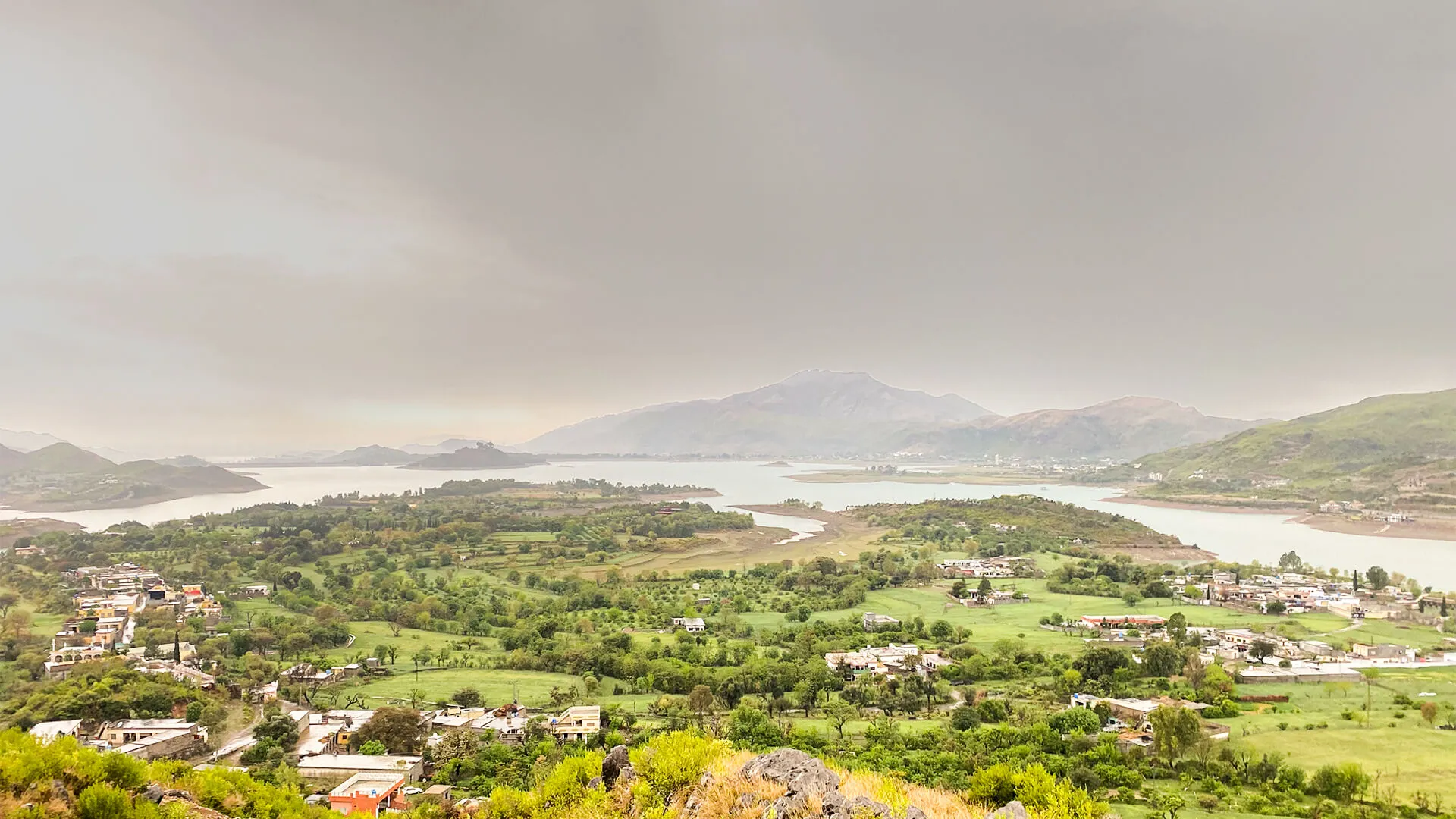
Lakeshore City sits near Khanpur Dam on the Taxila-Haripur GT Road, a location that puts it in exactly this tourism-residential overlap. The development brings together waterfront and hill-view residential plots, dedicated farmhouse zones, and a recreation-anchored club facility built around boating, event space, and lakeside access, the kind of mix that only works if roads, utilities, and green space are planned for both residents and visitors from the outset rather than for one group with the other as an afterthought.
That’s not a claim that every shared-infrastructure question is already solved. It’s a reason to ask the right questions before committing: how road access is designed to handle both commuter and visitor traffic, how green corridors connect residential blocks to shared recreation areas, and how utilities are sized for peak tourist seasons rather than average daily use.
Anyone weighing that decision can start with the current payment plan for the numbers, register interest to get project-specific details from the sales team, or move toward submitting a booking form once the infrastructure and financial picture both check out.
FAQs
Can tourism and residential communities really share the same infrastructure?
Yes, when roads, utilities, and public spaces are sized and routed for combined demand from the planning stage. Problems tend to come from retrofitting shared use onto infrastructure built for one group only.
Does tourist traffic hurt residential livability?
It can, if traffic isn’t segregated and utilities aren’t sized for peak visitor periods. Developments that plan road hierarchy and capacity in advance avoid most of the friction.
What infrastructure is safest to share between residents and visitors?
Arterial roads, green corridors, water and power systems sized for peak combined demand, and recreational facilities with staggered use patterns tend to share well. Resident-only parking and waste systems generally need separate allocation.
How do green corridors help tourism-residential developments specifically?
They function as everyday recreation for residents and as a reason for visitors to stay longer, while also handling drainage and cooling — work a single isolated park doesn’t do as effectively.
Does shared infrastructure lower costs for residents?
It can help spread maintenance costs across a broader user base, though that depends on how well a development is managed and forecasted. It isn’t a guarantee of lower fees or higher property values.
What should I check before assuming a development handles this well?
Ask how road access separates commuter and visitor traffic, how utilities are sized for peak tourist demand, and whether green space is planned as a connected network rather than isolated patches.
Editorial Disclaimer
This article is provided for general informational purposes and reflects publicly available information at the time of writing. It does not constitute financial, legal, or investment advice. Figures, timelines, and infrastructure statuses referenced are subject to change; readers should verify current details directly with Lakeshore City before making any purchase decision. No specific returns, appreciation, or outcomes are guaranteed.
SEO Deliverables Appendix
| Item | Status |
| Internal links embedded | 5 of 5 — all live-verified before embedding |
| H1/H2/H3 structure | Complete, matches brief |
| FAQ block | 6 questions, AI Overview / featured snippet formatted |
| Comparison table | Included (shared vs. separately allocated infrastructure) |
| Hedged investment language | Applied per client standing rule (no guarantee claims) |
| Humanization pass | Applied — banned vocabulary and AI patterns removed |