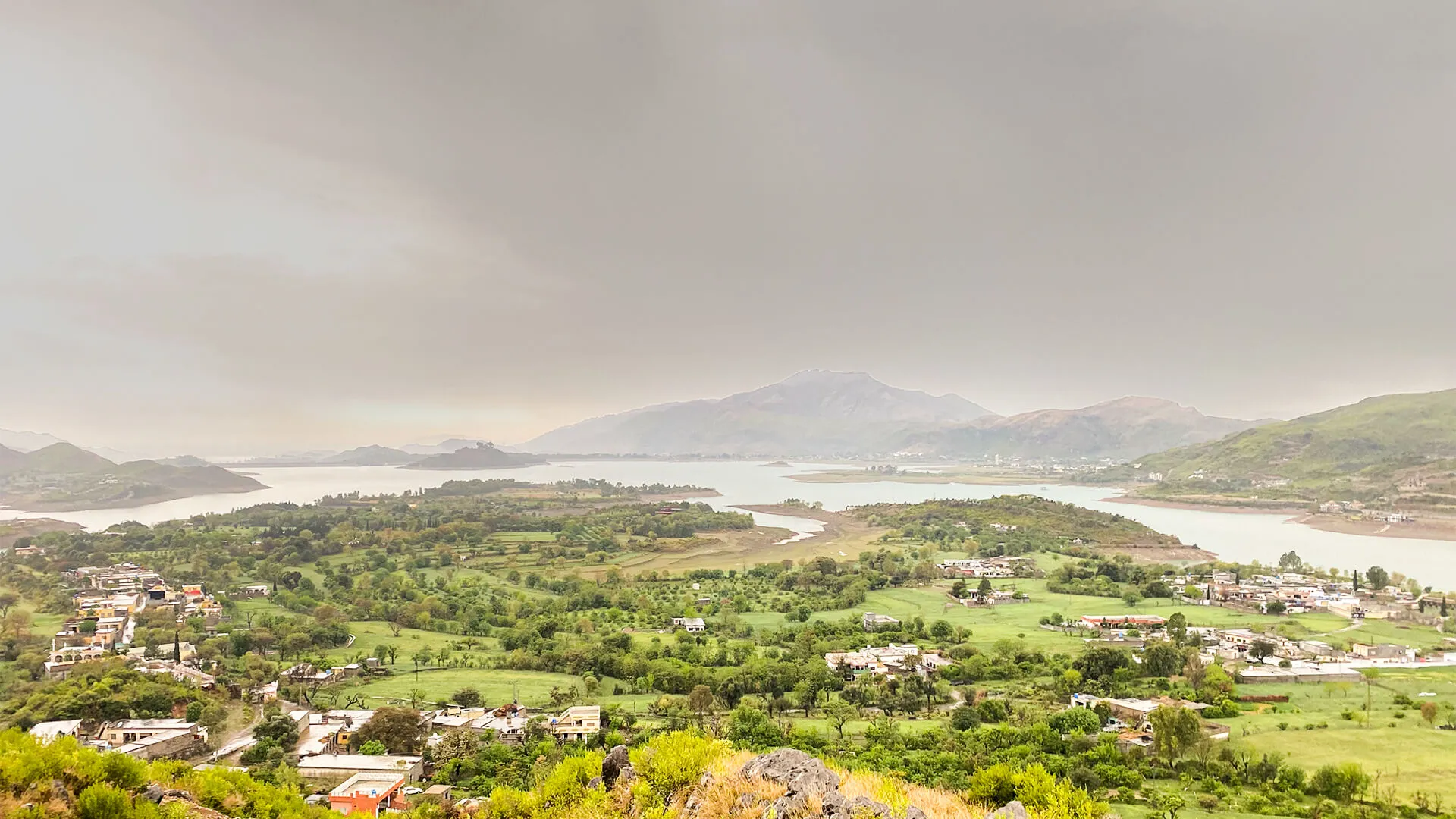

A site visit is the one hour in the buying process when you see what the brochure leaves out. Prepared buyers come back with facts. Unprepared ones come back with a nice photo of the lake and a folder they have not read.
| Before visiting Lakeshore City, decide which offering you are considering and read the current payment plan. On site, inspect access, your actual plot, roads and utilities. Get every figure and document in writing, verify approvals independently and compare total costs before you pay. |
Before the Visit: Prepare
Start with the official pages. Lakeshore City presents three offerings: Lakeshore Residencia, Lakeshore Farms and Lakeshore Club. Know which one you are visiting for, because plot sizes, plans and charges differ between them.
Then read the payment plan page closely. It carries several tables, including old and new rates and, for farmhouses, versions with and without development charges. Decide which table you think applies to you and bring a printout.
Set a ceiling for the total you can commit, not just the monthly figure. Pack a notebook, a charged phone with an offline map and your printed questions. A second person helps, because they notice what you miss. Ask the sales team in advance who will accompany you and whether you can see your specific plot.
During the Visit: What to Inspect
Access and location
The location page places Lakeshore City at Khanpur Dam and lists a 15-minute drive from Islamabad D-12 along with other landmark distances. Treat those as a starting point. Drive the route yourself at the hour you would normally travel, and note road width, surface and any stretch that looks weather-sensitive.
The plot itself
Stand on your actual plot, not in front of a map or model. Match the plot number to your documents, then check boundary markers, slope, drainage and how the land meets its neighbours. Khanpur is a reservoir site, so ask how the water level changes through the year and what that means for the plot you are considering.
What is built and what is only drawn
Compare the master plan with the ground. Roads, drainage, power lines, water supply, boundary walls and security are each present, in progress or still on paper. Photograph what you see with the date, and write down which category it falls into.
- Road surface and width on the approach and inside the site
- Electricity poles, water lines and drainage you can actually see
- Plot boundaries, slope and position relative to the shoreline
- Security arrangements, entry points and noise levels
Questions to Ask the Sales Team
Good questions earn written answers. Ask these, and note who said what.
- Which payment table applies to my plot, and from what date is it valid?
- Are development charges included in the quoted price? What are balloting charges and when are they due?
- What other costs will come up: transfer fees, taxes, membership, utility connections?
- When is possession, and what will be completed by then?
- What is the development status of this block, and what schedule will you commit to in writing?
- Who supplies electricity and water, and what maintenance charges follow?
- Which documents do I receive at booking, and which later?
Verify Before You Pay
A verbal answer is not evidence. Marketing pages and third-party listings for any housing society can be out of date or contradict each other, so rely on documents you can hold and confirm them with the source.
| What you are told | What to ask to see | Who confirms it |
|---|---|---|
| Approval status | A copy of the approval letter | The issuing authority directly |
| Plot allotment | Booking papers showing your plot number | The society office and your lawyer |
| Payment terms | A dated, signed payment plan | The developer, in writing |
| Development progress | A dated schedule by block | Your own observation on site |
Pay only into official accounts in the developer’s name and keep every receipt. Have a property lawyer review your documents before you sign.
After the Visit: Compare and Decide
Write your notes the same evening, while details are fresh.
- Add up the total commitment: booking, confirmation, installments, half-yearly payments, balloting, any development charges, transfer costs and taxes.
- List every question that went unanswered or was answered only verbally.
- Compare the plot with at least two other options on price, access, development stage and documentation.
- Choose: move to legal due diligence, book a second visit or walk away.
If investment is part of your reason, remember that no one can guarantee appreciation or rental income. Prices depend on development progress, demand and market conditions, and a plot that looks promising today may not perform as hoped.
Frequently Asked Questions
What should I bring to a Lakeshore City site visit?
A notebook, the printed payment plan, your questions, a charged phone and, ideally, a second person.
How do I arrange a visit?
Use the contact page or call +92 335 7775253. Ask who will accompany you and whether you can see your specific plot.
Should I verify approvals myself?
Yes. Ask for the approval documents and confirm them with the issuing authority before paying.
Is Lakeshore City a good investment?
That depends on the plot, the payment terms and how development progresses. Returns are not guaranteed, so compare total cost and verify claims first.
Take the Next Step
The most useful step is to see Lakeshore City with this checklist in hand. Arrange a visit through the contact page or call +92 335 7775253. Ask your questions, get the answers in writing and decide on your own timeline.