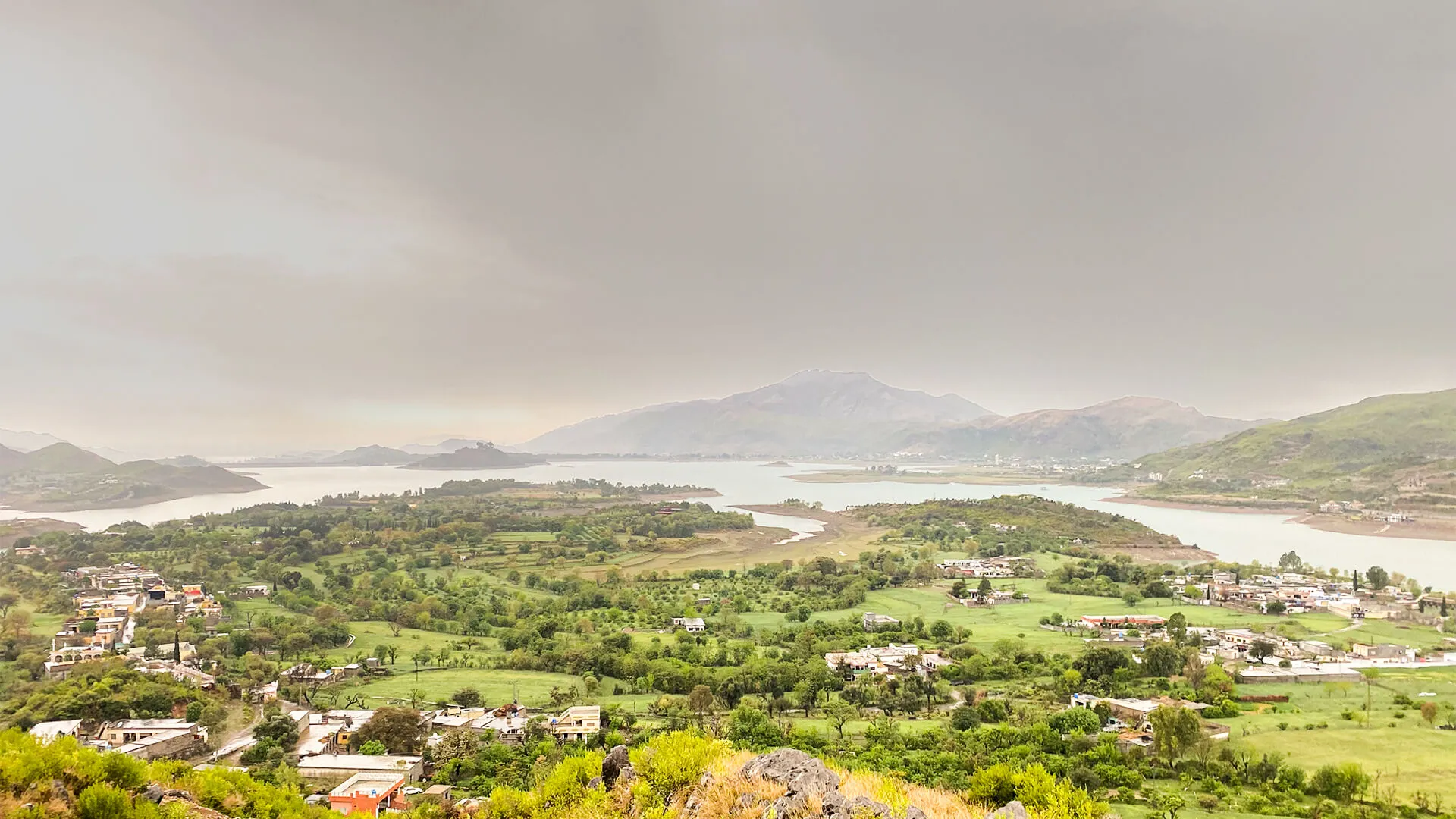

Featured Snippet: What Is Kunala Stupa?
Kunala Stupa is a Buddhist religious monument located within the Taxila Valley, built during the height of the Gandhara civilization. It stands as one of the lesser-visited yet historically significant sites connected to Emperor Ashoka’s era and the spread of Buddhist teaching across the region.
Introduction
Every year, thousands of travelers, students, and history enthusiasts make their way to Taxila, a UNESCO World Heritage city that once served as a major center of learning and Buddhist practice in the ancient world. Among its many archaeological treasures, Kunala Stupa remains a site that rewards visitors willing to look beyond the more famous ruins. Its quiet setting and layered history offer a different kind of encounter with the past, one shaped by legend, faith, and centuries of scholarship.
Lakeshore City sits within reach of this heritage corridor, giving residents and visitors an unusual advantage: the chance to live near a landscape that has drawn historians and archaeologists from around the world for more than a century.
What Is Kunala Stupa?
Kunala Stupa takes its name from Prince Kunala, the son of the Mauryan emperor Ashoka. According to tradition recorded by Chinese pilgrim monks who traveled through Taxila, the prince was blinded through a court conspiracy and later restored to sight through his unwavering faith. The stupa was built to commemorate this story, and it became part of the broader network of Buddhist monuments that flourished in the region between the 3rd century BCE and the 5th century CE.
The site belongs to the wider Gandhara civilization, a cultural and artistic tradition known for blending Greek, Persian, and South Asian influences into a distinct style of Buddhist sculpture and architecture. Archaeologists have documented stupa mounds, monastic remains, and votive structures at the site, consistent with other Taxila-era religious complexes such as Dharmarajika and Jaulian.
Its connection to Taxila places it within one of the most extensively excavated archaeological zones in South Asia, an area that has shaped modern understanding of early Buddhist monastic life.
Why Kunala Stupa Matters Today
Kunala Stupa contributes to Pakistan’s standing as a custodian of world Buddhist heritage. For scholars, it offers physical evidence of how Buddhist narrative traditions were memorialized in monument form. For international visitors, particularly from Buddhist-majority countries in East and Southeast Asia, it represents a pilgrimage-adjacent site tied to a story many already know from religious texts.
The site falls within the Taxila UNESCO World Heritage designation, which places it under a framework of documentation and preservation, even where individual monuments receive varying levels of public infrastructure. Continued academic interest and periodic conservation work help keep sites like this one part of the active heritage record rather than forgotten ruins.
For education-focused travel, heritage tourism, and cultural exchange, Kunala Stupa adds depth to a Taxila itinerary that many visitors otherwise limit to the more frequently photographed sites.
Where Is Kunala Stupa Located?
Kunala Stupa is located within the Taxila archaeological zone in Punjab, close to the cluster of Buddhist-era sites that made the valley famous. The area is accessible by road from Taxila city and sits within the same heritage corridor as Dharmarajika Stupa, Jaulian Monastery, and Sirkap. Local guides and the Taxila Museum can help visitors plan a route that covers several sites in a single day.
From Lakeshore City, the surrounding Taxila heritage sites, including Kunala Stupa, are within a reasonable drive along the existing regional road network. This proximity is one reason the wider Khanpur–Taxila corridor has drawn growing attention from heritage travelers and cultural researchers, not exaggerated distances but a straightforward geographic reality worth noting for anyone planning a visit.
How Lakeshore City Benefits From This Historic Location
Being situated near a UNESCO-recognized heritage corridor carries advantages that go beyond tourism statistics. Areas surrounded by internationally documented cultural landmarks tend to attract sustained academic, media, and traveler interest over time, simply because the underlying historical value does not diminish.
For Lakeshore City, this translates into a distinctive lifestyle proposition. Residents gain access to a peaceful, scenic environment shaped by the natural landscape of the Khanpur Dam region, while also being close enough to explore centuries of Gandhara history on a weekend outing. As regional infrastructure and tourism development continue in the area, communities positioned near recognized heritage zones generally benefit from the long-term visibility those sites bring, without needing to rely on speculative claims about future value.
This is not a promise of financial return. It is a straightforward observation: land near enduring cultural landmarks tends to remain relevant to travelers, researchers, and regional planners for a long time.
Explore More Heritage Around Lakeshore City
Kunala Stupa is only one part of the region’s Buddhist legacy. Visitors and residents interested in extending their exploration can also visit the nearby Pippala Stupa, a Gandhara-era site with its own distinct archaeological character.
Those drawn to temple architecture can visit Jandial Temple, one of Taxila’s most distinctive structures with its unusual layout attributed to possible Persian influence. For a quieter, less-traveled site, the Mohra Moradu monastery offers well-preserved monastic remains set against a scenic hillside backdrop.
You can read more about the Pippala Stupa and its place in the region’s Gandhara story as part of the same heritage corridor that surrounds Lakeshore City.
Conclusion
Kunala Stupa may not carry the same name recognition as some of Taxila’s larger monuments, but its story, tied to legend, faith, and Gandhara-era craftsmanship, makes it an essential part of understanding Pakistan’s Buddhist past. For those living in or considering Lakeshore City, its presence nearby is a reminder that this region offers something increasingly rare: modern residential planning set within reach of centuries of documented history.
Lakeshore City gives residents and visitors the chance to experience both worlds, a comfortable, well-planned living environment and a landscape rich with archaeological and cultural depth.
Plan Your Visit
If this glimpse into Taxila’s Buddhist heritage has sparked your interest in the area, take the next step. Schedule a site visit to explore Lakeshore City in person, or register your interest to stay updated on project developments and upcoming opportunities.
Frequently Asked Questions
What is Kunala Stupa known for?
Kunala Stupa is known for its association with Prince Kunala, son of Emperor Ashoka, and for its role as a Buddhist monument within the Gandhara civilization’s Taxila complex.
Where is Kunala Stupa located?
It is located within the Taxila archaeological zone in Punjab, Pakistan, near other well-documented Buddhist sites such as Dharmarajika Stupa and Jaulian Monastery.
Is Kunala Stupa part of the Taxila UNESCO World Heritage Site?
Yes, it falls within the broader Taxila UNESCO World Heritage designation, which covers multiple Buddhist and Gandhara-era archaeological sites in the valley.
How far is Kunala Stupa from Lakeshore City?
Kunala Stupa and the surrounding Taxila heritage corridor are within a reasonable drive from Lakeshore City using the existing regional road network.
What is the Gandhara civilization?
The Gandhara civilization was a cultural and artistic tradition that flourished in the Taxila region, known for its distinctive fusion of Greek, Persian, and South Asian influences in Buddhist art and architecture.
Can visitors combine Kunala Stupa with other Taxila sites in one trip?
Yes, many visitors combine a visit to Kunala Stupa with nearby sites such as Jaulian Monastery, Sirkap, Pippala Stupa, and Jandial Temple as part of a single heritage tour.
Why is Lakeshore City’s location near Taxila significant?
Its proximity to a UNESCO heritage corridor gives residents access to a culturally rich, scenic environment while remaining part of a region that continues to draw sustained academic and tourist interest.