Ask people why they love a lake town and they rarely start with the water. They talk about the evening walk, the café that stays open late, kids on bikes, and a pace that feels slower than the city. The lake sets the mood. Planning keeps it going.
That difference between a nice view and a place people want to live is the gap lakeside communities in Pakistan still need to close. Other countries have worked on it for over a century, and some of their lessons travel well.
What Makes a Lakeside Community Work
Look at lakefronts that stay loved decades after they were built and one thing repeats: the water is part of everyday life. Residents can reach the shoreline easily, walk or cycle along it, and find a reason to go on an ordinary Tuesday, not only on a public holiday.
The second pattern is quieter. Homes, shops, schools, and recreation sit close enough together that the lake feels woven into the neighbourhood instead of stuck on the end of it. Planners call this mixed-use development. Residents just call it convenient.
Lessons From Lakeside Developments Around the World
Chicago: keep the shoreline public
The 1909 Plan of Chicago, drawn up by Daniel Burnham and Edward Bennett, argued that the lakefront should belong to everyone. The city later backed that idea with the Lakefront Protection Ordinance of 1973, and the Lakefront Trail now runs roughly 18 miles. Jogging, cycling, and plain sitting by the water all happen on public land.
Zurich: make the lake a daily habit
Zurich lines its lake with promenades and public swimming areas. Residents swim, stroll, and meet friends along the shore in summer without planning a trip. The lake works because using it is easy.
Canberra: plan around the water
Lake Burley Griffin was created in 1963 by damming the Molonglo River, and it was part of the original design for Australia’s capital. Roads, parks, and public buildings were arranged with the water in mind. Where a reservoir already exists, as it does in Pakistan, planners can do the same from the start.
Lake Como: let tourism feed local life
Towns on Lake Como have welcomed visitors for generations. Ferries, restaurants, and shops grew around that steady footfall, and residents use those services all year.
What Pakistan Can Realistically Learn
Pakistan will not copy Zurich’s budgets or Chicago’s park system overnight. Some ideas carry over without enormous spending.
Protect public access and green space
Put shoreline walks, shade trees, and open lawns into the master plan before plots are sold. Adding them later costs more and is often impossible.
Respect the water itself
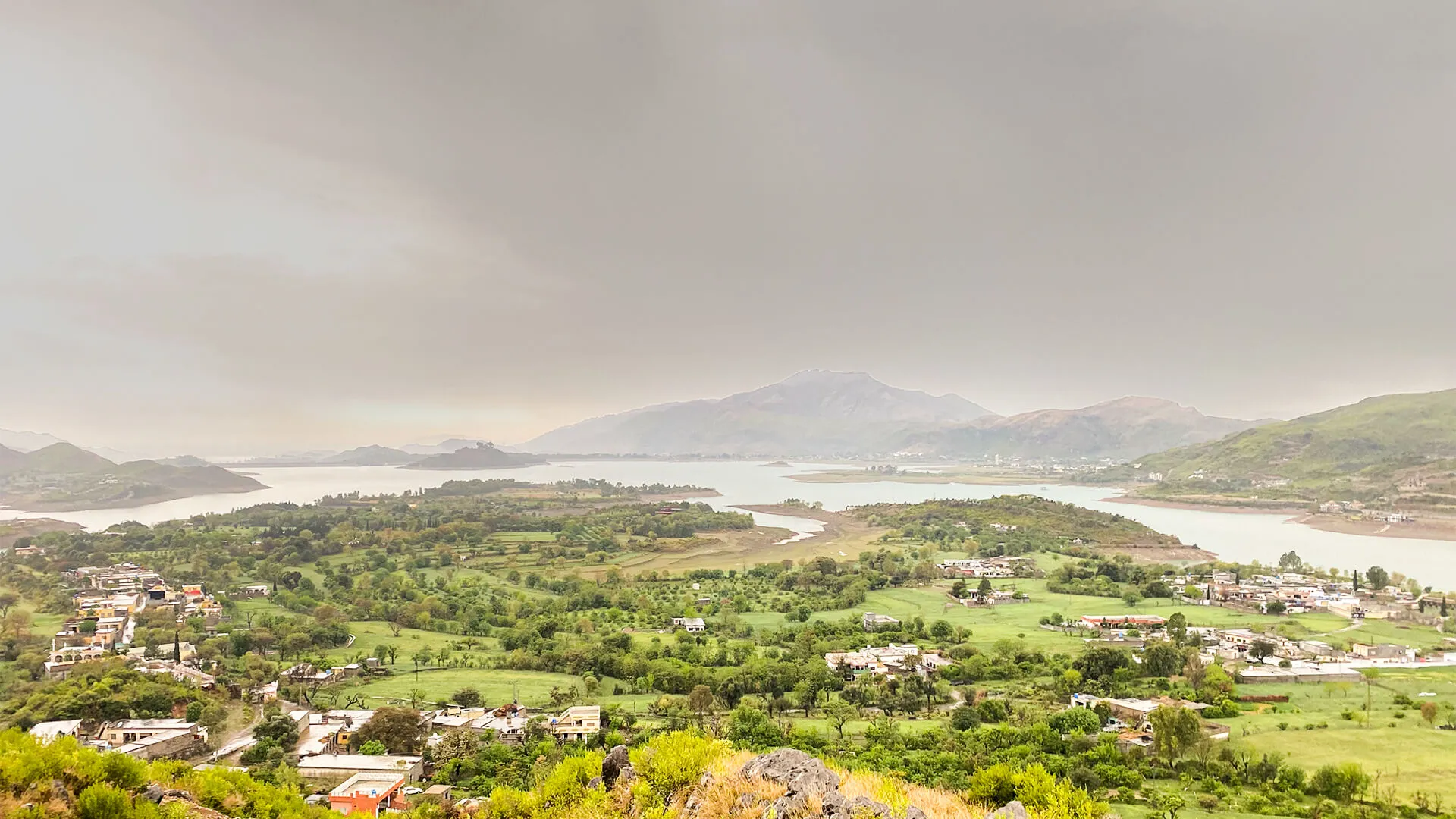
Khanpur Dam supplies drinking water to Islamabad and Rawalpindi, so any development nearby has to manage waste and drainage carefully. A lakeside community that pollutes its own lake loses its best asset.
Build for access
Good roads, safe parking, and clear approaches matter more than a polished brochure. Visitors and residents both judge a destination by how easy it is to reach and how easy it is to leave.
Khanpur Dam: Lakeside Potential Near Islamabad
The dam sits on the Haro River in Khyber Pakhtunkhwa, roughly 40 to 50 km from Islamabad depending on the route, and was completed in 1983. Its main job is supplying drinking and irrigation water. Over time it has also become a day-trip favourite: visitors come for boating, fishing, and picnics, and private operators around the lake offer water sports such as jet skiing.
Open water and hills within a day trip of the capital is an uncommon mix. It is a big reason Khanpur Dam tourism gets attention from planners and buyers alike.
How Tourism and Real Estate Connect
Visitors need places to eat, stay, and spend time. When those services appear, a location starts to feel like a place instead of a point on a map. Some visitors eventually start looking at a holiday home or family retreat. That is how tourism and real estate in Pakistan tend to influence each other.
A word of caution, though. Tourism does not guarantee that property values rise. Outcomes depend on infrastructure, approvals, market conditions, and how an area is managed. Treat any promise of fixed returns with suspicion, from any developer. Ask for documents, visit the site, and compare payment terms before you commit.
Where Lakeshore City Fits the Lakeside Idea
Lakeshore City is located at Khanpur Dam and describes itself as offering both waterfront and hill views. Its website lists three parts, Lakeshore Residencia, Lakeshore Farms, and Lakeshore Club, so families, farmhouse buyers, and lifestyle-minded investors each have something to look at.
For overseas Pakistanis, the process is straightforward. The clients booking form can be completed on the website, or downloaded and submitted to the Lakeshore City office. Whichever route you pick, ask the team for approval documents, the current payment plan, and development timelines in writing, then check them yourself.
Take the Next Step
If you want to see how this lakeside idea looks on the ground, register your interest and the team will get back to you. If you already know what you want, you can complete the clients booking form. Either way, visit the site, ask hard questions, and decide with the paperwork in front of you.
Frequently Asked Questions
What is the lakeside living in Pakistan?
Lakeside living means a home or retreat planned around a water body, with shoreline walks, recreation, green space, and nearby services. Khanpur Dam near Islamabad is one of the most accessible places in the country to experience it.
Where is Khanpur Dam and why do people visit?
Khanpur Dam is on the Haro River in Khyber Pakhtunkhwa, roughly 40 to 50 km from Islamabad depending on the route. It was completed in 1983 to supply water, and visitors now come for boating, fishing, picnics, and water sports.
Is lakeside property investment in Pakistan a safe bet?
No property is risk-free. Values depend on approvals, infrastructure, demand, and market conditions, and returns are never guaranteed. Verify ownership and approval documents, read payment terms carefully, and visit the site before buying.
How are tourism and real estate connected?
Tourism brings restaurants, stays, and services to an area, which can make it more livable and more visible to buyers. That link can support demand, but it does not promise price growth.
How can I register or book with Lakeshore City?
Use the online registration form to share your interest, or complete the clients booking form on the website. The booking form can also be downloaded and submitted to the Lakeshore City office.