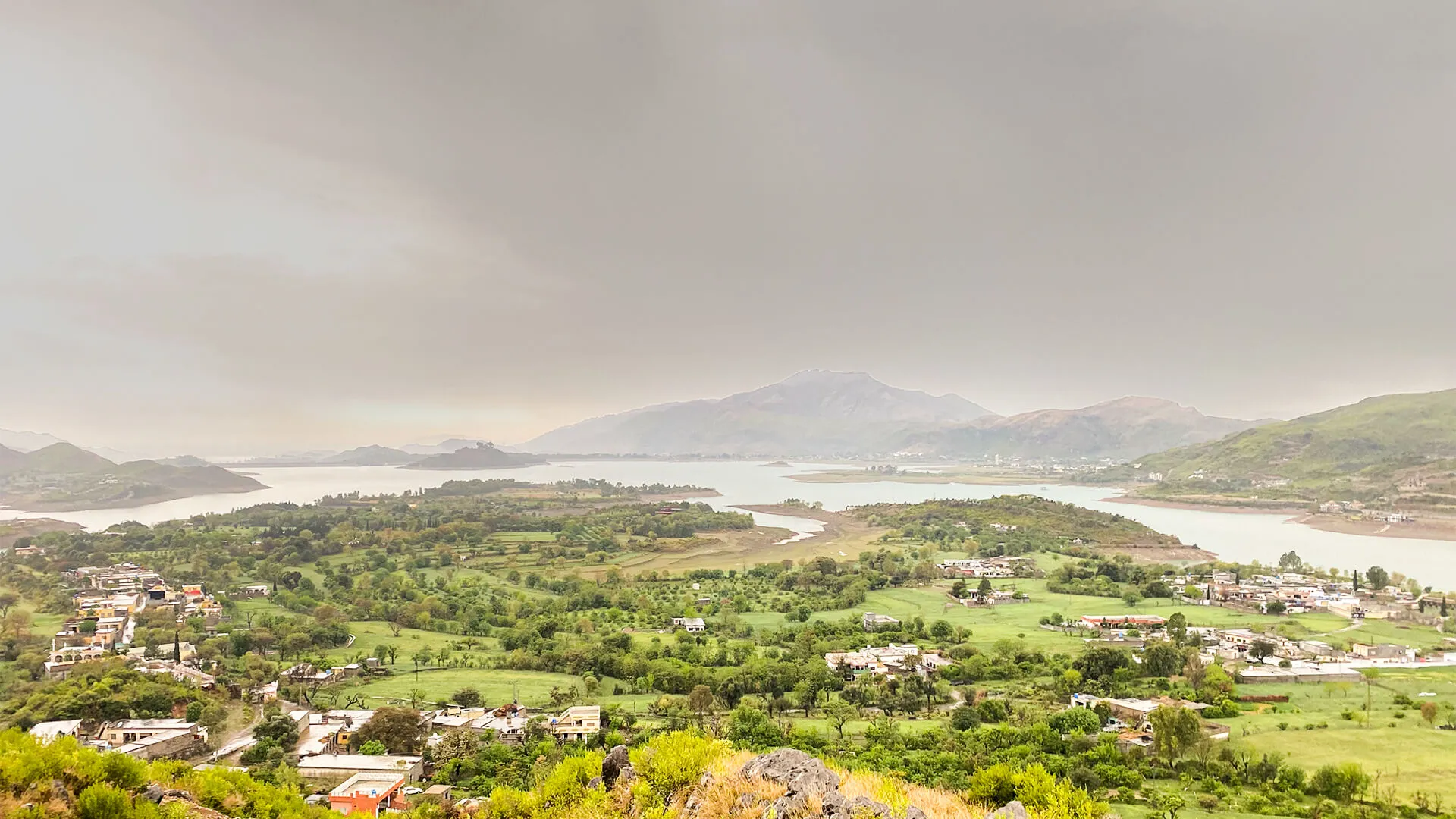
Tourism growth around Khanpur Lake is drawing infrastructure investment, hospitality development, and steady visitor traffic to the region north of Islamabad. Communities positioned within established tourism corridors, such as Lakeshore City, tend to benefit from this activity through rising land utility, commercial demand, and long-term lifestyle appeal — though outcomes always depend on execution, location, and market conditions.
A destination rarely becomes valuable overnight. It happens gradually — a new road, a returning weekend crowd, a hotel that finally turns a profit, a family that decides to build a second home instead of just visiting. Tourism does this to a region. It doesn’t just bring visitors; it brings attention, capital, and infrastructure that outlast the tourists themselves. This is the quiet mechanism behind why so many of the world’s most desirable real estate markets — from Lake Como to Bali’s Canggu — started as tourist destinations before becoming investment destinations.
Khanpur, just north of Islamabad and Rawalpindi, is showing early signs of the same pattern. And for anyone researching property or lifestyle investment near the capital, understanding how tourism and real estate reinforce each other is essential — not as a sales pitch, but as sound market analysis.
Why Tourism Drives Real Estate Growth
Tourism is one of the most reliable long-term drivers of regional development. When visitor numbers rise consistently, several things tend to happen in parallel:
- Infrastructure investment accelerates — better roads, utilities, and connectivity typically follow sustained tourist traffic, since local and provincial governments have clear economic incentive to improve access.
- Job creation broadens — hospitality, food service, transport, and retail sectors expand to serve visitors, which strengthens the local economy beyond the tourism season itself.
- Hospitality development increases — hotels, resorts, and guesthouses raise the overall standard of the area and often justify further private investment.
- Demand for residential and commercial property grows — as an area becomes known as a destination, both holiday-home buyers and commercial operators start evaluating it for investment, not just visits.
None of this happens instantly, and it does not happen everywhere tourism exists. It happens where visitor growth is sustained, accessible, and supported by planning — which is precisely why location and infrastructure matter as much as scenery.
Why Khanpur Region Has Growing Tourism Potential
Khanpur Lake has been a recreational destination for decades, but its role in the region’s tourism economy has expanded meaningfully in recent years.
- Water sports and adventure tourism — jet skiing, boating, and kayaking draw a steady stream of weekend visitors from Islamabad and Rawalpindi, particularly during spring and summer.
- Weekend and family tourism — the lake’s proximity to twin cities makes it a practical day-trip or short-stay option for families seeking a break from urban life.
- Historical and cultural attractions nearby — the wider Taxila region, with its Gandharan Buddhist heritage sites, adds a cultural tourism dimension that broadens Khanpur’s appeal beyond recreation alone.
- Accessibility — the drive from Islamabad and Rawalpindi remains short enough for spontaneous visits, which is a meaningful advantage over more remote tourism destinations that require overnight planning.
This combination of adventure tourism, family recreation, and cultural heritage is what economists often describe as a diversified visitor base — one that isn’t dependent on a single attraction or season, and is therefore more resilient over time.
How Lakeshore City Benefits From Visitor Growth
Lakeshore City is positioned within this tourism corridor near Khanpur Dam, which shapes both its planning philosophy and its long-term outlook.
- Strategic location — sitting close to an established recreational destination rather than a speculative one reduces reliance on projected demand that hasn’t yet materialized.
- Lifestyle-focused planning — amenities are designed around the same recreational appeal that draws tourists to the area in the first place, so residents and visitors share overlapping interests.
- Premium amenities — a clubhouse, residencia, and farmhouse offerings extend the tourism-driven lifestyle into a year-round residential experience.
- Long-term investment outlook — as regional tourism infrastructure matures, demand for both residential and commercial space in tourism-adjacent communities tends to increase incrementally over time.
It is worth being direct here: tourism proximity is a structural advantage, not a guarantee. Property value and rental performance depend on execution, timing, broader market conditions, and how well a development is managed — factors no article should understate.
Discover Lakeshore Residencia to see how residential planning at Lakeshore City reflects this tourism-adjacent lifestyle positioning.
What Makes Tourism-Oriented Communities Attractive Investments?
Across global markets, tourism-adjacent communities share a few common investment characteristics worth understanding before evaluating any specific project:
| Tourism Growth Factor | Investment Benefit |
| Rising visitor numbers | Stronger case for rental and holiday-home demand |
| Infrastructure upgrades | Improved accessibility raises long-term utility of land |
| Hospitality sector expansion | Broader local economy and employment base |
| Cultural and heritage tourism | Diversified, less seasonal visitor traffic |
| Growing weekend/day-trip traffic | Higher brand recognition for nearby communities |
- Lifestyle appeal draws both permanent residents and part-time holiday-home owners, widening the buyer pool.
- Rental demand often exists in two forms — short-term visitor rentals and longer-term residential leasing.
- Commercial opportunities emerge as retail, dining, and services follow rising foot traffic.
- Future appreciation potential is tied to sustained infrastructure and tourism growth, not guaranteed by it — a distinction serious investors should always keep in mind.
View Payment Plan to understand how Lakeshore City structures entry points for buyers evaluating this type of tourism-linked opportunity.
Why Long-Term Investors Watch Tourism Corridors
Institutional and individual investors alike tend to track tourism corridors closely for a simple reason: they often precede broader regional development.
- Population movement — as tourism creates jobs and lifestyle appeal, some visitors eventually become residents, gradually shifting demand from seasonal to year-round.
- Infrastructure expansion — roads, utilities, and connectivity built for tourism frequently benefit residential and commercial development at the same time.
- Government development priorities — tourism corridors often receive continued public investment because they generate visible economic activity.
- Hospitality sector growth — as hotels and resorts mature, they validate the destination for longer-term investment, not just weekend visits.
- Sustainable investment opportunities — corridors with diversified tourism (recreational, cultural, and family-oriented) tend to be more resilient than single-attraction destinations.
Looking to invest where tourism and lifestyle meet? Register today to explore Lakeshore City and receive current project information.
| Investment Insight Tourism corridors near major cities tend to attract early-stage infrastructure investment before broader residential demand catches up. This sequencing — roads and utilities first, residential and commercial growth after — is a pattern investors can research independently through provincial development plans and tourism authority announcements, rather than relying solely on developer marketing. |
Frequently Asked Questions
Does tourism growth actually increase property value?
Tourism growth can support property value increases over time by driving infrastructure investment, economic activity, and demand for both residential and commercial space. However, it is not a guarantee — outcomes depend on sustained visitor growth, execution, and broader market conditions.
Why is Khanpur becoming a tourism destination near Islamabad?
Khanpur Lake offers water sports, weekend recreation, and proximity to Islamabad and Rawalpindi, making it an accessible destination for day trips and short stays. Nearby historical and cultural sites in the Taxila region add further appeal.
Is Lakeshore City located in a tourism corridor?
Yes. Lakeshore City is positioned near Khanpur Dam, within a recognized recreational and tourism area north of Islamabad.
What is a tourism-oriented real estate investment?
It refers to property located in or near an established tourism destination, where visitor traffic, hospitality infrastructure, and lifestyle demand can support long-term residential and commercial value.
Are holiday homes near Khanpur Lake a good investment?
Holiday homes in growing tourism areas can offer rental income potential and lifestyle value, but like any real estate investment, returns depend on location, management, and market conditions — not guarantees.
What should investors research before buying in a tourism corridor?
Investors should review infrastructure development plans, visitor growth trends, developer track record, legal documentation, and realistic — rather than promotional — return expectations.
How does tourism growth compare to other real estate demand drivers?
Unlike purely residential demand, tourism-driven demand tends to bring diversified economic activity — hospitality, retail, and recreation — which can create more resilient long-term value than single-purpose residential development alone.
Conclusion: A Corridor Worth Watching
Tourism and planned communities tend to grow together when the fundamentals — accessibility, infrastructure, and sustained visitor interest — are genuinely in place. Khanpur’s development as a recreational and cultural destination gives the surrounding region, including Lakeshore City, a structural reason for long-term relevance that goes beyond marketing narratives.
For property investors, overseas Pakistanis, and families exploring lifestyle-driven investment near Islamabad, tourism corridors like this one are worth serious, independent research — not blind commitment. The opportunity is real, but so is the need for due diligence.
Secure your place in one of Pakistan’s most promising waterfront communities before demand grows further. Book Your Plot or Explore Lakeshore Club to experience the lifestyle behind the investment case.