Real estate development has moved well beyond roads, rooftops, and commercial blocks. Today, the land surrounding a project often matters as much as the structures built on it. Hills, rivers, parks, and open green belts are no longer treated as obstacles to construction; they are increasingly treated as design assets. This shift has placed the question of how natural landscapes can influence modern real estate development at the center of how planners, architects, and buyers evaluate a project’s long-term value and livability.
This article looks at why natural surroundings matter, how developers work with them, and what buyers and investors should genuinely evaluate before treating “nature-facing” as a selling point.
Natural landscapes can influence modern real estate development by shaping how a community is planned, how open spaces are used, and how residents experience daily life. Features like parks, waterfronts, and green belts often improve walkability, air quality, and visual appeal, which can support desirability. However, this effect depends heavily on location, infrastructure, legal approvals, and overall market demand.
Why Natural Landscapes Matter in Modern Real Estate
Buyers increasingly weigh lifestyle and surroundings alongside price and location. A development framed by trees, open lawns, or a lake view offers something a purely built environment cannot: variation, calm, and a sense of space. Natural surroundings also affect how people use a community day to day. Residents near parks may walk more, gather outdoors more often, and spend more time in shared spaces. This isn’t guaranteed, but it’s a pattern developers frequently plan around when designing residential layouts, jogging tracks, and community courtyards.
Visual appeal plays a role too. Marketing aside, a project with genuine greenery photographs and feels different from one surrounded entirely by concrete. That difference can shape first impressions during site visits, which still influence buying decisions in most markets.
How Natural Features Can Shape Real Estate Development
Developers who work with existing natural features—rather than removing them—often produce more distinctive master plans. A hill can become a viewpoint. A stream can be preserved as a natural boundary or a landscaped walking trail instead of being filled in.
Trees and green belts are frequently used to separate residential blocks from commercial or traffic-heavy zones, reducing noise and creating a buffer. Lakes and ponds, where present, are sometimes retained as central features around which housing clusters are arranged, similar to how older towns grew around natural water sources.
This approach requires early planning. Retrofitting green space into an already-built layout is far harder than designing around a landscape from the start, which is why environmental surveys typically happen before master planning begins.
Natural Landscapes and Property Desirability
Proximity to nature can influence buyer preference, though it does not automatically translate into higher prices. Several factors tend to matter more directly:
● Views — an unobstructed view of hills, water, or greenery is often valued, though this depends on unit orientation and floor level.
● Privacy — natural buffers like tree lines can reduce the sense of density in a project.
● Recreation access — walking trails, parks, or waterfronts within easy reach support an active lifestyle.
● Family-oriented appeal — open green areas are frequently cited by families as a reason for preferring one community over another.
It’s worth being direct here: natural surroundings can improve desirability and daily experience, but they do not guarantee appreciation. Location, accessibility, and market conditions remain stronger price drivers.
The Role of Green Spaces in Residential Communities
Green spaces do more than look pleasant. Parks, community gardens, and landscaped streets contribute to how a neighborhood functions socially. They give residents a shared outdoor space that isn’t tied to any single household, which can support a stronger sense of community over time.
Well-planned green belts also serve a practical purpose: they can act as informal cooling zones in dense developments, reduce dust, and provide a visual break between building clusters.
None of this replaces the need for solid infrastructure, but it does add a layer of quality to daily life that purely functional layouts often lack.
Waterfront, Mountain and Other Nature-Oriented Developments
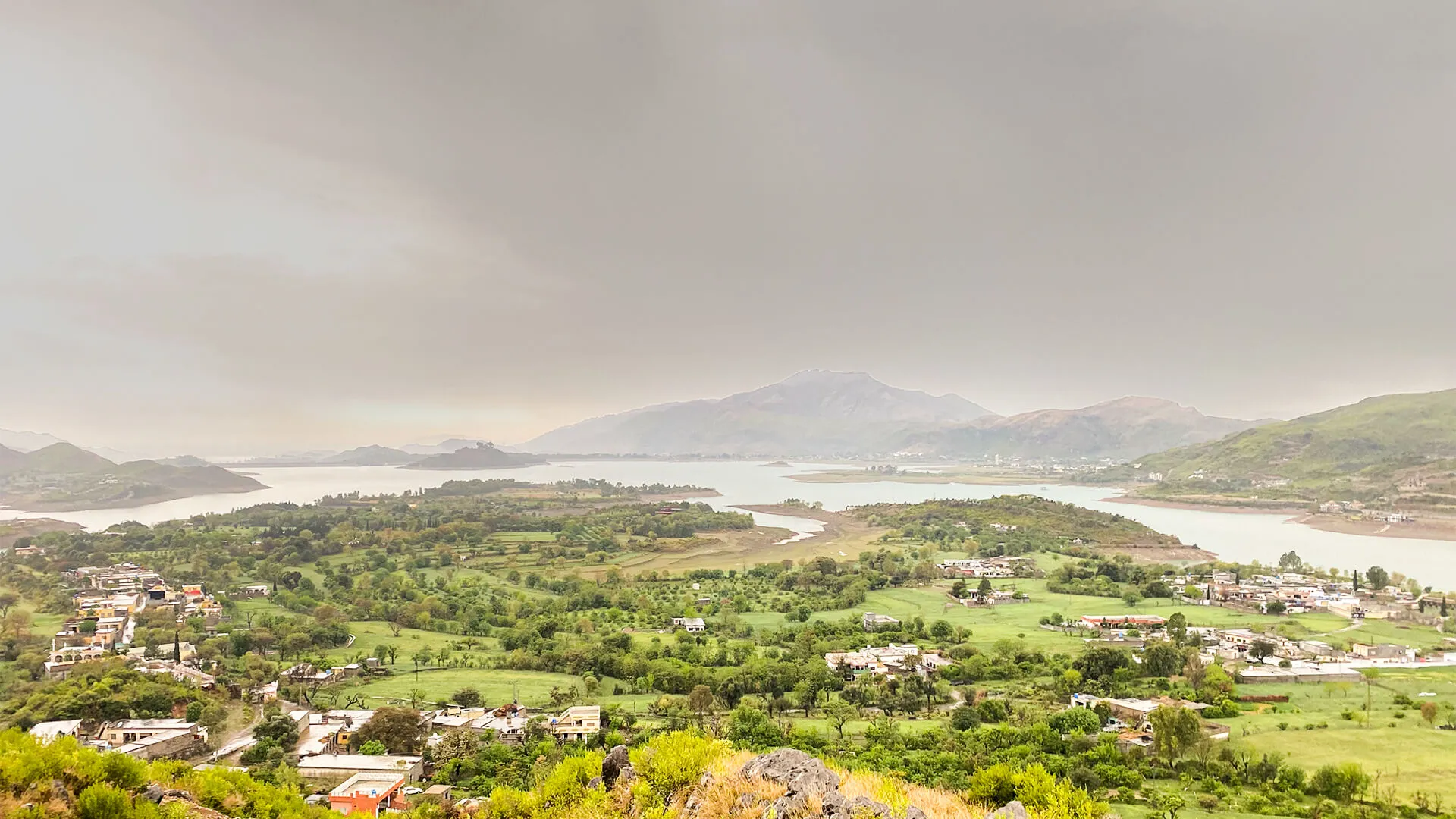
Different natural settings create different development models. Waterfront real estate often centers on lake or riverfront access, with layouts designed to maximize water-facing units. Mountain-view developments typically use elevation and terrain to create tiered layouts with staggered views. Farmhouse communities and forest-adjacent developments tend to prioritize larger plot sizes and lower density, appealing to buyers seeking space over urban convenience. Park-oriented residential projects, by contrast, often sit in denser urban areas and rely on a central green space as their defining feature.Each model carries trade-offs. Waterfront and forest-adjacent sites may face stricter environmental regulations or accessibility challenges. Mountain terrain can complicate construction and drainage. These are not reasons to avoid such developments, but they are reasons to evaluate them carefully rather than on scenery alone.
Sustainability and Responsible Real Estate Development
Working near natural landscapes comes with environmental responsibilities. Drainage planning is essential, particularly for developments near water bodies or low-lying terrain, to reduce flood risk during heavy rainfall. Native landscaping, rather than imported plant species, tends to require less water and support local biodiversity better. Green infrastructure—permeable pavements, retention ponds, and tree-lined roads—can help manage rainwater runoff while adding to a project’s aesthetic. Climate resilience planning, including how a site handles extreme weather over time, is increasingly part of responsible development rather than an optional add-on. None of this is purely technical box-checking. How well a developer handles these elements often shows up years later in whether a community floods, whether landscaping survives, and whether the original design intent holds up.
What Property Buyers and Investors Should Consider
Natural surroundings are one factor among many. Before evaluating a property because of its landscape features, it’s worth reviewing the fundamentals:
1. Location and accessibility — how well connected is the site to main roads, schools, and workplaces?
2. Legal approvals — is the project approved by relevant development authorities?
3. Development progress — is it under construction, newly launched, or already delivered?
4. Infrastructure — are roads, utilities, and drainage systems actually in place?
5. Environmental risks — particularly flooding or drainage issues near water bodies.
6. Developer reputation — has the developer delivered similar projects on time before?
7. Amenities — are parks, security, and community facilities functional, not just planned?
8. Market demand — is there genuine buyer or tenant interest, or is demand assumed?
9. Resale and rental potential — based on actual comparable transactions, not projections.
10. Long-term development plans — are there future phases that could affect views, density, or access?
Treating a scenic location as a substitute for due diligence is a common mistake. A well-located property with strong fundamentals and a natural setting is a stronger proposition than one relying on scenery alone.
The Future of Nature-Inspired Real Estate Development
Modern developments are increasingly likely to integrate walkable layouts, sustainable landscaping, and climate-conscious design from the outset rather than as an afterthought. Green infrastructure is becoming more common in planning discussions, partly due to growing awareness of drainage and heat management in dense areas. This doesn’t mean every future project will be built around a lake or forest. It means more developers are likely to treat outdoor space, greenery, and environmental planning as part of the core design brief, alongside roads and utilities, rather than as decoration added at the end.
Frequently Asked Questions
How do natural landscapes influence real estate development?
Natural landscapes influence real estate development by shaping master planning decisions, community layout, and how open spaces are used. Features like hills, water bodies, and green belts often guide where roads, housing blocks, and recreational areas are placed.
Can natural surroundings increase property appeal?
Yes, natural surroundings can increase property appeal by improving views, privacy, and access to outdoor recreation. This effect varies by location and does not guarantee higher resale value on its own.
Why are green spaces important in residential communities?
Green spaces are important because they support outdoor activity, community interaction, and a more comfortable living environment. Parks and landscaped areas also help reduce the visual density of built-up neighborhoods.
Does proximity to water or mountains affect property demand?
Proximity to water or mountains can affect property demand by attracting buyers who value scenic views and lifestyle appeal. However, demand also depends on accessibility, infrastructure, and overall market conditions in that area.
What should investors check before buying property near natural landscapes?
Investors should check legal approvals, infrastructure status, flood or drainage risk, developer reputation, and actual market demand. Natural surroundings should be treated as one factor among several fundamentals.
How can developers balance construction with environmental sustainability?
Developers can balance construction with sustainability by using native landscaping, proper drainage systems, and green infrastructure such as permeable pavements. Early environmental planning tends to produce better long-term results than retrofitting these features later.
Conclusion
Natural landscapes can meaningfully shape how a real estate development looks, functions, and feels to live in. Parks, water features, and green belts often support lifestyle appeal and thoughtful community design, but they are not a substitute for sound fundamentals. Buyers and investors get the best outcomes by treating scenery as one part of a broader evaluation that includes location, infrastructure, legal standing, and genuine market demand.