Yes — but only when environmental thinking shapes a project from the master-plan stage, not when it’s added after the plots are sold. Around Islamabad, developments that hold their value over decades tend to be the ones that treated the site’s natural assets as part of the design brief, not an afterthought.
Why Environmental Responsibility Matters in Modern Real Estate
Pakistan’s urban population keeps growing faster than the infrastructure meant to support it. Islamabad and its surrounding corridor have absorbed this pressure directly, with new housing societies spreading into land once agricultural or forested. That growth is not the problem. Growth without a plan for water tables, tree cover, and drainage is.
This is where sustainable real estate development in Pakistan stops being a marketing phrase and becomes an operating requirement. A society that ignores natural drainage patterns floods. One that over-extracts groundwater without recharge planning runs dry within a generation. Buyers increasingly ask about this before booking a plot: how is water sourced, how is waste handled, how much of the land actually stays open.
What Environmentally Responsible Housing Societies Do Differently
The difference between a conventional layout and a genuinely considered one comes down to decisions made early, before roads are cut.
Green Community Planning and Open Spaces
Master plans that reserve parks, tree-lined boulevards, and waterfront buffers — rather than squeezing every marla into saleable plots — keep a community livable as it densifies. Open space also absorbs stormwater, moderates heat, and gives residents somewhere to walk that isn’t a parking lot.
Responsible Infrastructure and Efficiency
Roads, sewage, and drainage sized for the community’s actual footprint prevent retrofit problems during monsoon season. Water and energy efficiency means practical things: rainwater channels that feed the water table instead of storm drains, and layouts that allow natural cross-ventilation.
Walkability and Landscaping
A society where residents can walk to a club, mosque, or market without a car reduces congestion and emissions at the neighborhood level. Landscaping with regionally appropriate plants also needs far less irrigation than imported ornamental species.
Waste Management and Biodiversity
Segregated collection points and a clear disposal plan matter more than any single green feature. Preserving existing tree lines and water bodies rather than clearing them outright keeps local wildlife intact, which keeps the site healthier long-term.
These are what eco-friendly real estate development has always meant: designing around the land instead of over it — the practical core of green community planning.
Conventional vs. Environmentally Responsible Planning
| Planning Element | Conventional Layout | Environmentally Responsible Layout |
| Open space | Minimal, leftover corners | Reserved parks, buffers, and waterfront space in the master plan |
| Drainage & water | Added after flooding issues appear | Planned around natural drainage and recharge from the start |
| Mobility | Car-dependent, wide roads only | Walkable access to community and leisure amenities |
| Landscaping | Imported ornamental species | Regionally appropriate, lower-irrigation planting |
| Waste | No defined collection system | Segregated collection with a clear disposal plan |
How Planned Communities Near Islamabad Are Approaching This Balance
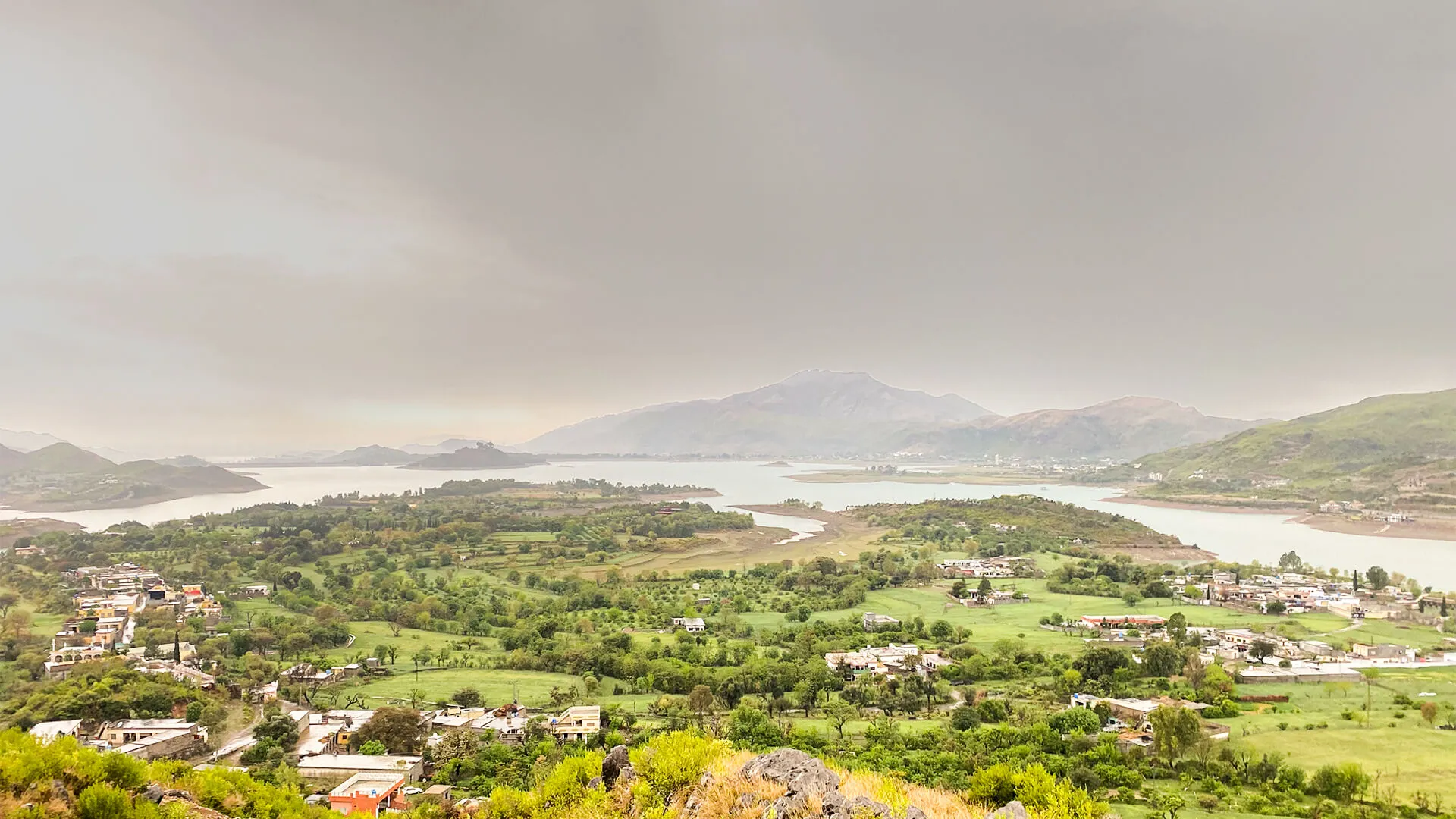
Lakeshore City Islamabad sits along the Khanpur Dam and Taxila corridor, where the lake and surrounding hills are the primary draw for residents. In a setting like this, environmental consideration isn’t optional — the site’s value depends on the water body and landscape staying intact. A Lakeshore City development that degraded the lake’s edge would be working against the asset it’s selling.
That’s part of why the project’s components are structured around the landscape rather than against it. Lakeshore Residencia, the residential portion of the community, is planned as part of this lakeside setting rather than a standalone grid dropped onto the land. Shared leisure and open-space amenities are organized through Lakeshore Club, giving residents a recreational and green anchor point instead of leaving every household to find open space alone. This is the practical shape sustainable housing developments in Islamabad tend to take: less isolated green gesture, more integration between built plots and the natural features around them.
What to Look For When Evaluating a Property or Community
Environmental responsibility in real estate is easiest to judge with a few direct questions before signing anything: Does the master plan show genuine open space, or leftover corners? Is there a stated approach to water and drainage? Does the society sit somewhere its natural setting adds long-term value, or somewhere that value is already eroding?
These questions matter for livability now and resale value later — a society built around a preserved lake or green corridor tends to age better than one built by clearing everything first. That’s the shape the future of sustainable housing in Pakistan is taking: fewer speculative layouts, more communities designed to still make sense decades out.
If you’re comparing options on this basis, it’s worth reviewing the payment plan structure alongside the site’s layout and natural features — the financial commitment and the environmental one are both long-term. You can register your interest to get specific questions about the site answered directly, or complete the client booking form if you’re ready to move forward.
FAQs
Can developers really balance growth with environmental protection?
Yes, when it’s designed in at the master-planning stage — much harder once land is cleared and design has to work around what’s left.
What makes a housing society in Islamabad environmentally responsible?
Preserved open space, a stated drainage and water plan, walkable layouts, and functioning waste collection — not vague sustainability language without specifics.
Does an eco-conscious layout affect property value?
Preserved natural features and open space tend to support long-term livability, though any specific value or appreciation outcome depends on market conditions and is never guaranteed.
Why does Lakeshore City’s lakeside location matter environmentally?
Because the community’s appeal is tied to the Khanpur Dam setting, protecting it is part of protecting the project’s own value.
Is sustainable development more expensive for buyers?
Not inherently — it’s mostly about layout and infrastructure decisions made early, which doesn’t necessarily raise plot costs.