Pakistan’s tourism sector is no longer a seasonal afterthought. It has become a measurable driver of land value, hospitality demand, and infrastructure investment across the country’s northern corridors. Where tourists travel in growing numbers, capital follows close behind — roads improve, restaurants open, hotels expand, and land that once sold at agricultural rates begins trading as prime real estate.
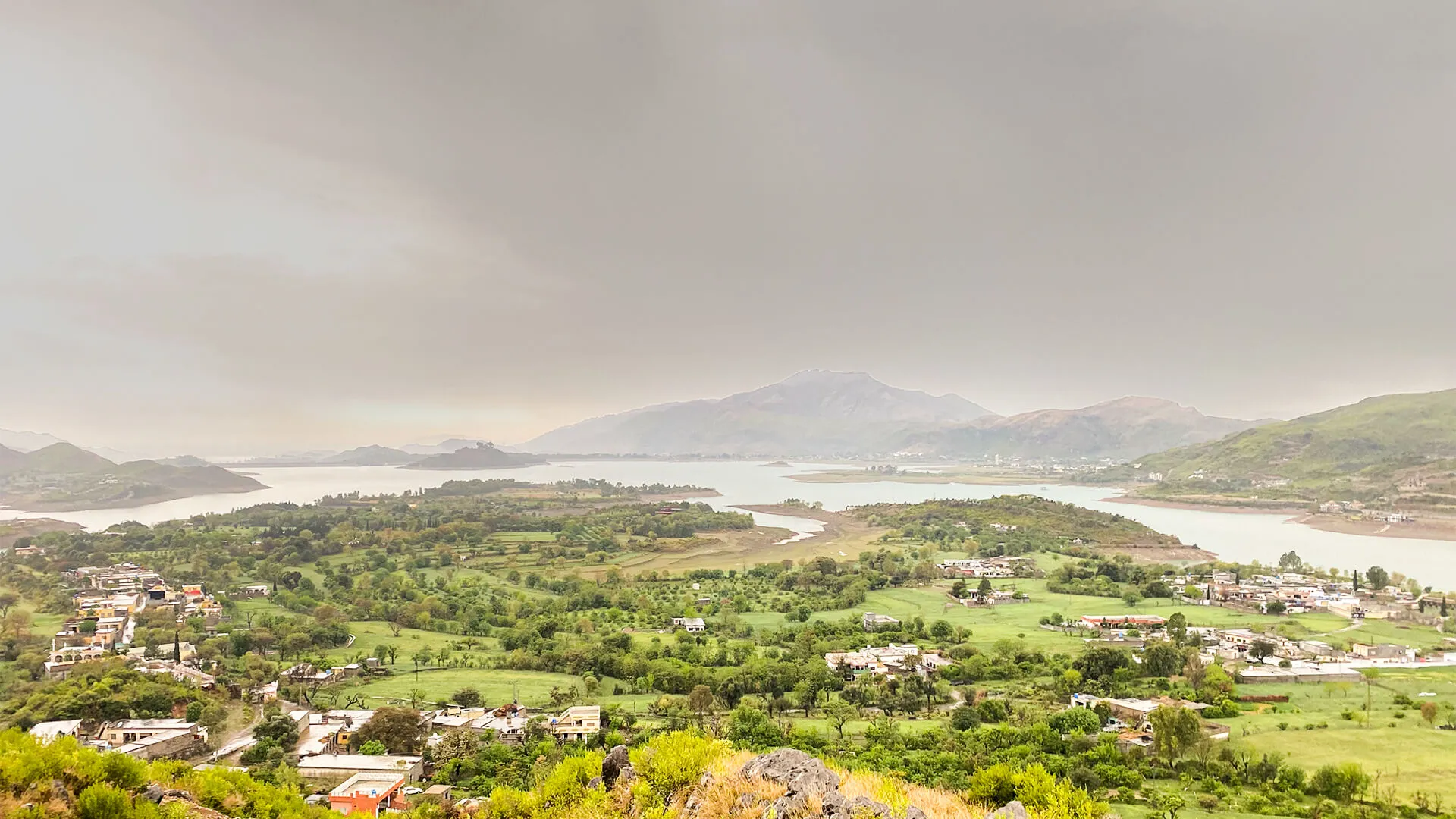
This shift is now playing out in real time around Khanpur Dam, roughly 20 minutes from Islamabad along the D-12 corridor. What was once a quiet weekend escape for the capital’s residents is evolving into a recognized tourism destination, and the real estate market around it is responding accordingly. For investors paying attention, the pattern is familiar: tourism growth today tends to translate into property appreciation tomorrow.
This article examines why that relationship exists, how it is unfolding specifically in the Khanpur region, and where Lakeshore City fits within that broader investment thesis.
Why Tourism and Real Estate Are Closely Connected
Tourism and real estate values move together for a straightforward reason: visitor spending creates economic activity, and economic activity creates demand for land.
When a destination starts attracting consistent visitor traffic, several things tend to happen in sequence. Hotels and guesthouses are built to house demand. Restaurants, transport services, and retail outlets open to serve them. Local employment rises, drawing more residents and seasonal workers into the area. Government and private developers respond to growing footfall by upgrading roads, utilities, and connectivity.
| Why does tourism increase property values? Tourism increases property values by driving sustained visitor spending, which in turn justifies new hospitality, retail, and infrastructure investment. As an area’s economic activity and accessibility improve, land becomes more valuable both for commercial use and residential or vacation ownership. |
This cycle is well documented in markets worldwide, and it applies just as directly to Pakistan’s emerging domestic tourism corridors as it does to established international destinations.
The Global Trend of Tourism-Driven Investment Growth
Destinations that transition from undiscovered to mainstream tend to follow a recognizable real estate trajectory. Coastal towns in Southeast Asia, lakeside regions in Europe, and mountain resort areas in North America have all seen similar patterns: modest land values in the early growth phase, followed by accelerated appreciation once infrastructure, hospitality brands, and recurring visitor traffic become established.
The common thread across these markets is timing. Investors who purchase land before a destination reaches mainstream recognition typically capture a larger share of the appreciation curve than those who enter after infrastructure and demand are already priced in.
Pakistan’s northern and near-Islamabad tourism corridors are now showing early signs of this same trajectory, particularly as domestic travel patterns shift toward weekend and short-break destinations within a few hours of major cities.
Pakistan’s Tourism Industry Is Entering a New Growth Era
Several converging trends are reshaping how and where Pakistanis travel domestically.
- Rising domestic tourism: A growing urban middle class is choosing short, accessible getaways over longer or international trips, concentrating demand on destinations within a few hours of Islamabad, Lahore, and other major cities.
- Adventure and recreational tourism: Activities such as boating, water sports, hiking, and lakeside recreation are drawing a younger demographic seeking weekend and short-break destinations.
- Weekend destination demand: Locations within a one- to two-hour drive of Islamabad and Rawalpindi are increasingly viewed as viable weekend escapes rather than once-a-year vacation spots.
- Improved road infrastructure: Ongoing upgrades to regional road networks in Khyber Pakhtunkhwa and the broader Islamabad-Haripur corridor are reducing travel times and improving access to previously underdeveloped tourism areas.
- Rising investor interest: As these destinations gain visibility, real estate developers and individual investors are increasingly positioning land purchases around tourism potential rather than agricultural or purely residential value alone.
| How does tourism create investment opportunities? Tourism creates investment opportunities by generating new demand for accommodation, hospitality services, retail, and recreational land use. As visitor numbers grow, developers and investors who hold land in these corridors benefit from both rental income potential and long-term capital appreciation. |
Why Khanpur Is Emerging as a Tourism and Investment Hotspot
Khanpur sits in a geographic position that few competing destinations can match: close enough to Islamabad for a same-day or weekend visit, yet removed enough to offer genuine scenic value.
- Strategic location: Khanpur lies near the boundary of Punjab and Khyber Pakhtunkhwa, within comfortable driving distance of Islamabad, Rawalpindi, and Haripur.
- Proximity to Islamabad: The drive from Islamabad to the Khanpur Dam area takes approximately 20 to 25 minutes via the D-12 sector and Sikandar-e-Azam Road, making it one of the most accessible lakeside destinations near the capital.
- Scenic landscapes: The surrounding hills and lake views give the area a distinct recreational character that is difficult to replicate closer to the city center.
- Khanpur Dam: The dam and its reservoir form the centerpiece of the area’s tourism appeal, supporting boating, water sports, and lakeside leisure activity.
- Recreational activities: Existing and planned facilities in the broader area support boating, jet skiing, hiking, and other outdoor recreation that draws repeat visitors.
- Future tourism potential: As awareness of the area grows and infrastructure continues to improve, Khanpur is positioned to absorb a larger share of Islamabad’s weekend and short-break travel demand in the coming years.
Destinations within an hour of a major capital city carry a structural advantage: they convert casual visitors into repeat visitors, and repeat visitors into long-term residents and investors. — Lakeshore City Investment Insights
| Why is Khanpur becoming an investment hotspot? Khanpur is becoming an investment hotspot because it combines close proximity to Islamabad with genuine scenic and recreational appeal centered on Khanpur Dam. This combination is rare near major Pakistani cities and is drawing both tourism development and real estate investment to the area. |
How Growing Tourism Creates Growing Investment Potential
The relationship between tourism growth and property value is not abstract. It plays out through several concrete channels.
- Rising property demand: As an area gains recognition as a destination, more buyers compete for available land, pushing prices upward over time.
- Hospitality growth: Hotels, resorts, and guesthouses require land and generate ongoing commercial activity, which supports surrounding property values.
- Rental opportunities: Properties in tourism-active areas can generate income through short-term rentals, vacation stays, or seasonal leasing, a revenue stream largely unavailable in purely residential markets.
- Commercial activity: Restaurants, retail outlets, and recreational businesses follow visitor traffic, adding economic density to the surrounding area.
- Long-term appreciation: Sustained tourism growth tends to produce steadier, longer-term appreciation than speculative residential markets, since the underlying demand is tied to ongoing visitor activity rather than short-term sentiment.
Why Lakeshore City Is Positioned to Benefit from Tourism Growth
Lakeshore City is a large-scale, master-planned development located directly on the shores of Khanpur Dam, roughly 20 minutes from Islamabad. The project has been designed from the outset around the intersection of tourism, lifestyle, and real estate investment rather than as a purely residential scheme.
The development spans a substantial master-planned footprint and includes distinct components: residential plots and apartments under Lakeshore Residencia, farmhouse plots for those seeking larger lakeside holdings, and Lakeshore Club, a resort-style recreational facility built around the lake itself.
- Prime lakeside location: Direct positioning on Khanpur Dam gives the project a recreational identity that purely inland developments cannot replicate.
- Accessibility from Islamabad: A drive time of approximately 20 to 25 minutes places the project within easy reach for both weekend visitors and daily commuters.
- Tourism-focused master planning: Rather than treating recreation as an afterthought, the development integrates lakeside leisure infrastructure into its core layout.
- Lakeshore Club and resort-style amenities: Club membership tiers provide access to boating, water sports, and recreational facilities, along with reciprocal access to partner clubs both within Pakistan and internationally.
- Modern infrastructure: Planned utilities, road networks, and commercial sectors are designed to support both residents and visiting tourists.
- Long-term growth orientation: The project’s positioning reflects the broader thesis that tourism-anchored developments near major cities tend to outperform purely residential schemes over time.
Note: Project features described above are based on publicly available information published by Lakeshore City as of the time of writing. Buyers should confirm current specifications, amenities, and regulatory status directly with the developer before making investment decisions.
Expected Investment Returns and Growth Potential
Tourism-anchored real estate near major metropolitan areas has historically delivered strong long-term appreciation, driven by the combination of land scarcity, growing visitor demand, and improving infrastructure.
Based on current market conditions, development progress, and the location’s proximity advantages, tourism-driven projects in the Khanpur corridor — including Lakeshore City — may offer potential annual appreciation in the range of 15% to 25%, depending on plot category, market timing, and the pace of surrounding infrastructure development.
| What ROI can investors expect from tourism-focused projects? Estimates for tourism-driven real estate in the Khanpur corridor suggest potential annual appreciation in the range of 15% to 25%. This figure is a market-level estimate, not a guaranteed return, and actual results depend on development progress, broader economic conditions, and individual investment timing. |
Important: All appreciation and ROI figures referenced in this article represent market-level estimates based on general tourism real estate trends. They are not guarantees of future performance. Real estate returns are influenced by market conditions, regulatory developments, project execution timelines, and broader economic factors. Prospective investors should conduct independent due diligence and consult a qualified financial advisor before committing capital.
Investment Opportunities Within Lakeshore City
Lakeshore Residencia. The residential component of the project offers plots ranging from 5 Marla to 1 Kanal, structured with flexible installment-based payment plans designed to lower the barrier to entry for both local and overseas buyers. Full plan details and current offers are available on the Lakeshore Residencia page.
Lakeshore Club. Membership at Lakeshore Club provides access to lakeside recreational facilities, including boating and water-based activities, along with reciprocal access to partner clubs both within Pakistan and at select international locations. For residents, club access supports the lifestyle value that underpins long-term demand for the project’s residential plots. Membership tiers and benefits are outlined on the Lakeshore Club page.
Payment Plan. Structured, installment-based payment options are designed to make entry into the project accessible without requiring full upfront capital, an important consideration for overseas Pakistanis and first-time real estate investors. Current payment structures are detailed on the Payment Plan page.
Who Should Invest in Tourism-Oriented Real Estate?
- Overseas Pakistanis: Seeking a tangible asset back home that combines emotional value with the potential for long-term appreciation, often supported by structured payment plans that accommodate remote investment.
- Long-term investors: Looking to build a real estate position in a corridor with rising tourism demand rather than chasing short-term speculative gains.
- Vacation home buyers: Interested in a lakeside property for personal recreational use, with the added benefit of potential rental income during periods of non-use.
- Tourism entrepreneurs: Positioning early in a growth corridor to capture future demand for hospitality, food and beverage, and recreational services.
- Wealth preservation investors: Using real estate in an emerging tourism corridor as a hedge against currency depreciation and inflation, consistent with how Pakistani investors have traditionally approached land ownership.
Frequently Asked Questions
How does tourism impact property prices?
Tourism impacts property prices by increasing demand for land used in hospitality, recreation, and residential development. As visitor numbers and infrastructure investment grow in a region, property values typically rise alongside them.
Is Khanpur a good place to invest?
Khanpur is gaining recognition as an investment destination due to its proximity to Islamabad, its lakeside setting on Khanpur Dam, and growing weekend tourism demand. As with any real estate decision, investors should evaluate project-specific factors and conduct independent due diligence.
What makes tourism real estate attractive?
Tourism real estate is attractive because it offers multiple value drivers at once: potential rental income, lifestyle and recreational use, and long-term capital appreciation tied to sustained visitor demand rather than purely speculative price movements.
What is the future of tourism investment in Pakistan?
Pakistan’s tourism sector is expanding as domestic travel patterns shift toward weekend and short-break destinations near major cities. Continued infrastructure investment and rising visitor numbers suggest tourism-anchored real estate corridors, including those near Islamabad, are likely to see sustained investor interest.
Why invest in Lakeshore City?
Lakeshore City combines a lakeside location on Khanpur Dam, proximity to Islamabad, and a master-planned structure that integrates residential, recreational, and hospitality elements. This positions the project to benefit directly from the region’s growing tourism profile.
How far is Lakeshore City from Islamabad?
Lakeshore City is located approximately 20 to 25 minutes from Islamabad’s D-12 sector via Sikandar-e-Azam Road, making it one of the more accessible lakeside developments near the capital.
What kind of returns can I expect from tourism real estate?
Tourism-driven real estate in growth corridors like Khanpur may offer potential annual appreciation in the range of 15% to 25%, depending on market conditions and project progress. This is an estimate, not a guaranteed outcome, and should be evaluated alongside independent financial advice.
Is it better to invest early in an emerging tourism destination?
Historically, investors who enter emerging tourism destinations before infrastructure and visitor demand are fully established have captured a larger share of long-term appreciation compared to those who invest after a market matures.
What facilities does Lakeshore Club offer?
Lakeshore Club offers tiered membership packages providing access to lakeside recreational facilities, including boating, along with reciprocal access to partner clubs in Pakistan and at select international locations.
Can overseas Pakistanis invest in Lakeshore City?
Yes. Lakeshore City’s structured, installment-based payment plans are designed to accommodate overseas Pakistanis and remote investors seeking to build a real estate position in Pakistan without requiring full upfront capital.
Conclusion
Tourism is no longer a peripheral factor in Pakistani real estate. It is becoming one of the clearest signals of where long-term value is likely to emerge next. The Khanpur corridor, anchored by its dam, scenic setting, and proximity to Islamabad, fits the same pattern that has driven appreciation in tourism-led property markets elsewhere in the world.
Lakeshore City sits at the center of that opportunity, combining a lakeside master plan, resort-style amenities, and structured investment access through its residential, club, and payment plan offerings. For investors, overseas Pakistanis, and families looking to build long-term value, the early stage of a growth corridor is typically where the strongest gains are made.
The window for early-mover positioning in this corridor will not stay open indefinitely as recognition and infrastructure investment continue to build.
| Ready to Explore Investment Opportunities at Lakeshore City?Speak with an investment consultant and secure your position in one of Pakistan’s emerging tourism-focused developments before the corridor’s growth potential is fully priced in.Register Now |