Most Housing Societies Sell You a Plot. This One Sells You a Life.
Think about every housing society you’ve ever heard of in Pakistan. The brochure is usually the same: wide roads, underground electricity, a boundary wall, maybe a commercial strip. You buy a plot, build a house, and then — then what? You live there. Fine. Safe, perhaps. Gated, certainly. But when a guest asks, “What’s there to do around here?” The honest answer, in 99% of cases, is: not much.
That’s not an exaggeration. It’s the fundamental design flaw of how residential development has worked in Pakistan for decades. Societies are built to house people, not to attract them. Nobody drives an hour to visit a housing society on a weekend. No one plans a trip around a gated community with a park and a mosque. And that’s the gap that makes what’s happening near Khanpur Dam so genuinely different.
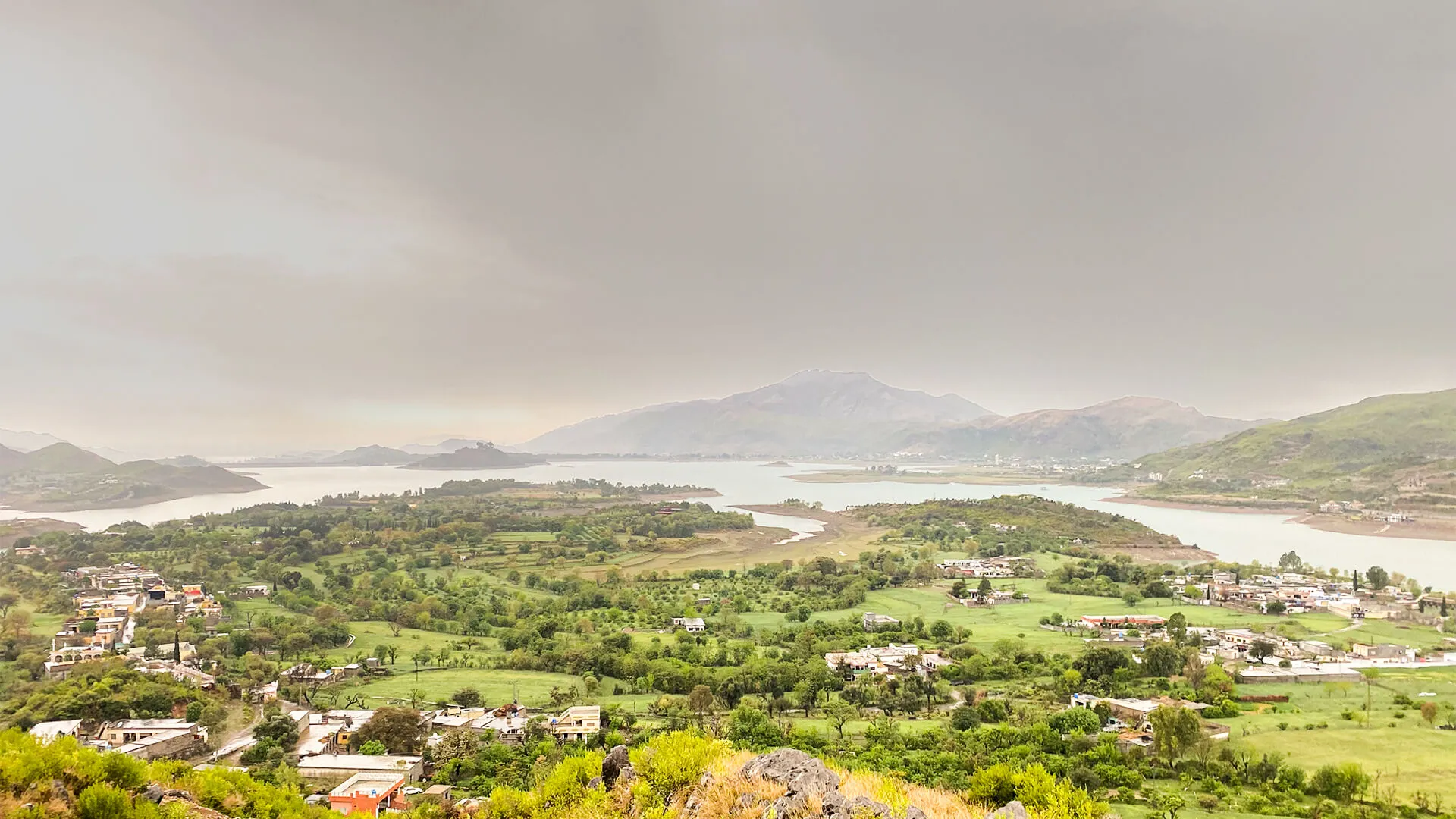
Lakeshore City isn’t just a housing society that happens to be near a lake. It’s a tourism-integrated living destination built around one of the most naturally rich corridors in Northern Pakistan — where a resident’s backyard connects, practically speaking, to Khanpur Lake, Buddhist heritage sites, Margalla Hills foothills, and the adventure belt of Khyber Pakhtunkhwa. That combination has never existed in a single Pakistani residential project before.
“Location is everything in real estate — but when your location is also a destination, you’ve got something completely different.”
The Lakeshore City Concept: Where Resort Living Meets Smart Investment
The premise is straightforward: combine the infrastructure of a premium gated community with the draw of a genuine tourism hub, and you end up with an asset that appreciates through two separate engines simultaneously — residential demand and tourism-driven footfall.
The society is designed around waterfront living, with plots and development parcels positioned to take advantage of the elevation, lake views, and natural geography of the Khanpur region. But beyond aesthetics, the project integrates resort-style amenities — adventure zones, clubhouse facilities, waterfront promenades — alongside the practical features of a modern smart city: 5G-ready infrastructure, 24/7 CCTV surveillance, smart entry gates, and a fully gated perimeter.
Most developers talk about “world-class” features and never define them. At Lakeshore City, the distinction is that the lifestyle offering is externally verifiable — the tourism attractions already exist around it. Khanpur Dam is not a future promise. Taxila’s archaeological sites are not a marketing concept. The Margalla Hills are there right now. The society is building into an ecosystem that already works, rather than asking buyers to imagine one.
For investors, this dual-purpose model — waterfront investment property in Pakistan that doubles as a tourism destination — creates demand from two completely different buyer profiles: families seeking a lifestyle upgrade and commercial investors looking for rental returns.
Register Your Interest — Explore Available Plots →
The Tourism Corridor That Sets Lakeshore City Apart
Here’s something worth pausing on. Within roughly 30 to 90 minutes of Lakeshore City, you can visit: an ancient Buddhist stupa older than Islam, the reservoir that supplies Islamabad’s water, a UNESCO-adjacent archaeological museum, a Mughal-era fort, and some of the most dramatic hill terrain in the Potohar plateau. That’s not a tourism brochure claim — it’s basic geography.
No other housing society in Pakistan is positioned this way. And that matters enormously for long-term property value.
Khanpur Dam & Khanpur Lake – The Nearest Tourism Powerhouse
Khanpur Dam and Khanpur Lake are located next to Lakeshore City, making it the strongest natural and tourism resource. The lake is surrounded by mesmerizing hills and crystal-blue waters, offering boating, jet skiing, kayaking, and zip-line adventures that attract thousands of visitors every weekend from Islamabad and Rawalpindi.
This already active tourism ecosystem creates steady demand for hospitality, food outlets, retail spaces, and leisure infrastructure — making the area ideal for residential living and commercial investment.
Taxila – A UNESCO-Linked Archaeological Treasure
Taxila is one of the most important ancient civilizations in Asia, dating back to the 6th century BC. It was a major center of Gandharan civilization and Buddhist learning, attracting scholars and travelers from all over ancient Asia.
Key attractions include:
- Taxila Museum (world-class Gandharan art collection)
- Dharmarajika Stupa
- Jaulian Monastery
- Sirkap archaeological city
These sites attract researchers, UNESCO-focused travelers, and Buddhist pilgrims from countries such as Korea, Japan, and Sri Lanka. For Lakeshore City residents, this global heritage hub is just 20-30 minutes away.
Haripur Green Valleys – Natural Landscape Advantage
Haripur offers a refreshing contrast of green valleys, vineyards, forests, and open landscapes between the Margalla Hills and the Attock region. This natural environment enhances the air quality, visual beauty, and overall lifestyle of the entire corridor.
The region also maintains cooler summer temperatures compared to surrounding urban zones, increasing the long-term cost of living for residents.
Adventure Tourism Gateway – Connection to Northern Pakistan
The Khanpur-Haripur corridor serves as the gateway to Pakistan’s northern tourism. Popular destinations such as:
- Thandiani
- Shogran
- Kaghan Valley
easily accessible within hours. This makes Lakeshore City a strategic base for weekend tourism and long-term travel in the mountainous regions of Khyber Pakhtunkhwa.
Historic forts and Gandharan heritage around Khanpur
The region surrounding Lakeshore City is rich in depth of history and archaeological significance.
Hund Fort – Indus River Heritage Landmark
The Hund Fort is located on the banks of the Indus River and is historically linked to Alexander the Great and the Gandhara civilization. Its riverside location and archaeological importance make it a key heritage tourism site.
Attock Fort – Mughal Strategic Masterpiece
Built by Emperor Akbar in the 16th century, Attock Fort played an important role in controlling trade and military routes. It remains one of the most famous Mughal-era forts in Pakistan.
Gandharan Sites in Haripur & Swabi
The wider region includes lesser-known Buddhist monasteries, ruins, and sculptures scattered across Haripur and Swabi, which make up the ancient civilizational network of Gandhara.
Growing Buddhist Tourism in Northern Pakistan
Pakistan has become a thriving destination for Buddhist tourism. Visitors from South Korea, Japan, Sri Lanka, and Thailand increasingly follow the Gandharan cultural trail.
This steady growth in international tourism positions the region as a cultural and spiritual destination, not just a domestic travel route.
Tourism Driven Investment and Commercial Development
Unlike conventional housing societies that focus solely on residential living, this region benefits from a steady flow of tourism. This creates long-term demand for:
- Hotels and resorts
- Restaurants and cafes
- Retail and commercial plazas
- Short-term rental properties
For investors, this means strong ROI potential through both:
- Home appreciation
- Commercial rental income
- Rich Heritage Near Khanpur Dam
Khanpur Dam is not only a natural hotspot of adventure but also part of a historically rich corridor that connects Taxila, Haripur, and Attock. The region combines Buddhist heritage, Mughal architecture, and natural landscapes, making it one of the most unique tourism clusters in Pakistan.
This combination of history, nature, and tourism ensures long-term value development and positions Lakeshore City as a destination development rather than a traditional housing project.
The question isn’t whether Lakeshore City is near tourist attractions — it’s whether any other housing society in Pakistan is this well-positioned for tourism-driven growth.
Why This Is One of the Better Real Estate Bets Near Islamabad Right Now
Real estate near Islamabad has never been cheap for long. The capital’s housing supply is structurally constrained by geography — the Margalla Hills on one side, the Rawat plateau in another direction, and CPEC-adjacent development corridors eating up the rest. Khanpur and Haripur sit in a zone that has been undervalued relative to its proximity to the capital, and that gap is closing.
Projected ROI positioning of 15% to 25% on rental and resale returns makes Lakeshore City one of the more competitive propositions in the high ROI real estate Pakistan 2026 landscape. Early investors in any tourism-adjacent project have historically benefited disproportionately — prices rise fastest in the period between launch and full infrastructure delivery, when scarcity is real but uncertainty is still priced in.
Residential vs Commercial: Which Makes More Sense?
Both, honestly, depending on what you’re after. Residential plots offer the cleaner appreciation story: buy now, build later, hold or sell when the tourism ecosystem matures and comparables in the area have moved up. Commercial plots and hospitality-oriented parcels offer the active income angle — rental income from tourism-adjacent businesses (guesthouses, food, retail, water sports support) can generate returns that residential plots simply don’t, provided the underlying tourist footfall is there. At Khanpur, that footfall already exists and is growing.
Passive Income and Capital Appreciation
The most compelling long-term case for Lakeshore City isn’t the first-year numbers. It’s the compounding effect of tourism infrastructure building out around a property you already own. Every new restaurant, adventure facility, or visitor amenity that opens near the dam increases the desirability — and rentability — of a property in the society. That’s a different dynamic from buying a plot in a purely residential society, where your upside is tied entirely to the performance of similar plots nearby.
Plots are limited. The development corridor is fixed. The early investor advantage, in projects like this, is not a marketing phrase — it’s a function of how tourism-integrated housing projects in Pakistan mature. Those who got into Bahria Waterfront or DHA Valley before infrastructure delivery will tell you the same thing.
► Secure Your Plot Before Prices Move — Book Now → ◄
What Overseas Pakistanis Should Know About This
If you’re sending remittances home or watching the PKR from abroad, you already understand the basic math: Pakistani real estate purchased with foreign currency has been one of the better stores of value through multiple PKR devaluations. The rupee depreciates, the property in rupees goes up, and the dollar or pound value of your asset broadly holds.
But the more specific opportunity here is the tourism angle. Pakistan’s tourism sector has been growing, driven partly by the increased visibility of domestic destinations on social media and partly by genuine infrastructure investment in KPK. The areas around Khanpur, Naran, and Swat are no longer obscure. They’re on maps, in travel vlogs, and on the itineraries of the Pakistani diaspora who visit home once or twice a year and want to experience the country differently than they did growing up.
For overseas investors, the combination of dollar-value advantage, a genuinely appealing tourism location, and a project designed to generate rental income makes Lakeshore City a reasonable addition to a Pakistan-based investment portfolio. The documentation and booking process is available remotely — no requirement to be physically present to secure a plot.
Diaspora investors built Bahria Town. The next chapter is being written closer to the water.
What Daily Life at Lakeshore City Actually Looks Like
This part matters more than investors often admit. An investment that nobody wants to live in has a ceiling. Lakeshore City’s long-term value depends partly on whether the lifestyle offering is genuinely good — and here, the project has natural advantages that no amount of marketing spending can replicate.
Waterfront living at Khanpur means mornings with lake views and evenings cooler than anything Islamabad’s concrete suburbs can offer in July. The clubhouse, parks, and adventure zones give families an active lifestyle without the weekend Islamabad escape that most capital residents are forced to plan around. Children grow up near water, hills, and open space rather than traffic roundabouts.
The smart city infrastructure — 5G readiness, CCTV surveillance, controlled entry — means the standard modern security features are present. But the more notable point is that Lakeshore City doesn’t need those features to justify itself. The environment does most of the work. The infrastructure just makes it liveable as a permanent home rather than a seasonal retreat.
- Waterfront promenade and lake-view plots
- Resort-style clubhouse with recreational facilities
- Dedicated adventure and sports zones
- Gated community with 24/7 security monitoring
- 5G-ready smart infrastructure
- Landscaped parks and green corridors
- Commercial strip for daily convenience
Frequently Asked Questions
Q: What makes Lakeshore City different from other housing societies in Pakistan?
A: Most Pakistani societies are purely residential — buy a plot, build a house, repeat. Lakeshore City is built around an existing tourism ecosystem: Khanpur Lake, the Taxila Buddhist heritage circuit, Margalla foothills, and the KPK adventure corridor. Residents have access to all of that. Investors have exposure to tourism-driven rental demand. No other society in Pakistan combines these two things at this location.
Q: Is Lakeshore City a good investment for overseas Pakistanis?
A: It’s a credible one. The dollar-value advantage on PKR-denominated real estate is a structural benefit in the current environment. The tourism location adds a rental income dimension that purely residential plots don’t have. Booking and documentation can be completed remotely. Visit the booking form here to get started.
Q: What is the expected ROI in Lakeshore City?
A: Market positioning estimates suggest 15% to 25% returns on rental and resale — based on tourism-adjacent comparable projects and the current growth trajectory of the Khanpur region. Early-stage investors tend to see the strongest appreciation as infrastructure delivers and comparable prices in the area rise.
Q: What tourist attractions are near Lakeshore City?
A: The immediate area includes Khanpur Lake and its water sports facilities, the Taxila archaeological complex (Dharmarajika Stupa, Jaulian Monastery, Sirkap, and the Taxila Museum), Margalla Hills foothills, Haripur’s green valleys, Attock Fort, and the Hund Fort on the Indus. Islamabad’s Daman-e-Koh and Monal viewpoint are also within easy reach. The KPK adventure belt — Thandiani, Kaghan, Shogran — starts from this corridor.
Q: Is Lakeshore City suitable for commercial investment?
A: Yes, and possibly more so than standard residential. Tourism-adjacent commercial plots — guesthouses, food courts, water sports retail, hospitality — can generate active rental income that residential plots don’t typically produce. The footfall from existing Khanpur tourists is already there.
Q: Why does tourism matter for real estate value?
A: Tourism drives footfall, and footfall drives commercial demand, which drives investment into infrastructure, which increases residential desirability. It’s a compound cycle. Properties near established tourist corridors appreciate through multiple channels simultaneously — unlike purely residential areas, which depend on a single driver.
Q: How can I book or invest in Lakeshore City?
A: You can register your interest or complete a booking entirely online. Start the booking form to secure a plot. Early applicants have access to pre-launch pricing and preferred plot selection.
The Bottom Line
Pakistan has no shortage of housing societies. It has a very real shortage of places worth living in — destinations with natural beauty, cultural depth, and investment fundamentals that hold over time. Lakeshore City is one of the few residential projects that can make a credible claim to all three.
The Buddhist ruins at Taxila have been there for 2,500 years. Khanpur Dam has been generating tourism for decades. The Margalla Hills are not going anywhere. What Lakeshore City adds is the infrastructure to actually live inside this environment — properly, permanently, and with the kind of long-term asset backing that purely residential societies can’t offer.Plots are limited, and this corridor will not stay underpriced forever. If you’ve been looking for the right time to enter the luxury tourism housing society near Khanpur Dam market — this is a reasonable answer to that search.