When evaluating any real estate project in Pakistan, location is not just a feature — it is the foundation of every investment decision. Among the most important location factors is highway and road connectivity. Projects near major roads tend to attract more buyers, appreciate faster in value, and offer a more convenient lifestyle.
Lakeshore City, located near Khanpur Dam in the Haripur district of Khyber Pakhtunkhwa, benefits from a strong network of highways and access roads that connect it to some of Pakistan’s most important urban centers — including Islamabad, Rawalpindi, Taxila, and Haripur.
This guide explains exactly how close Lakeshore City is to major highways, what that connectivity means in practical terms, and why it matters for both investors and future residents.
1. Where Is Lakeshore City Located?
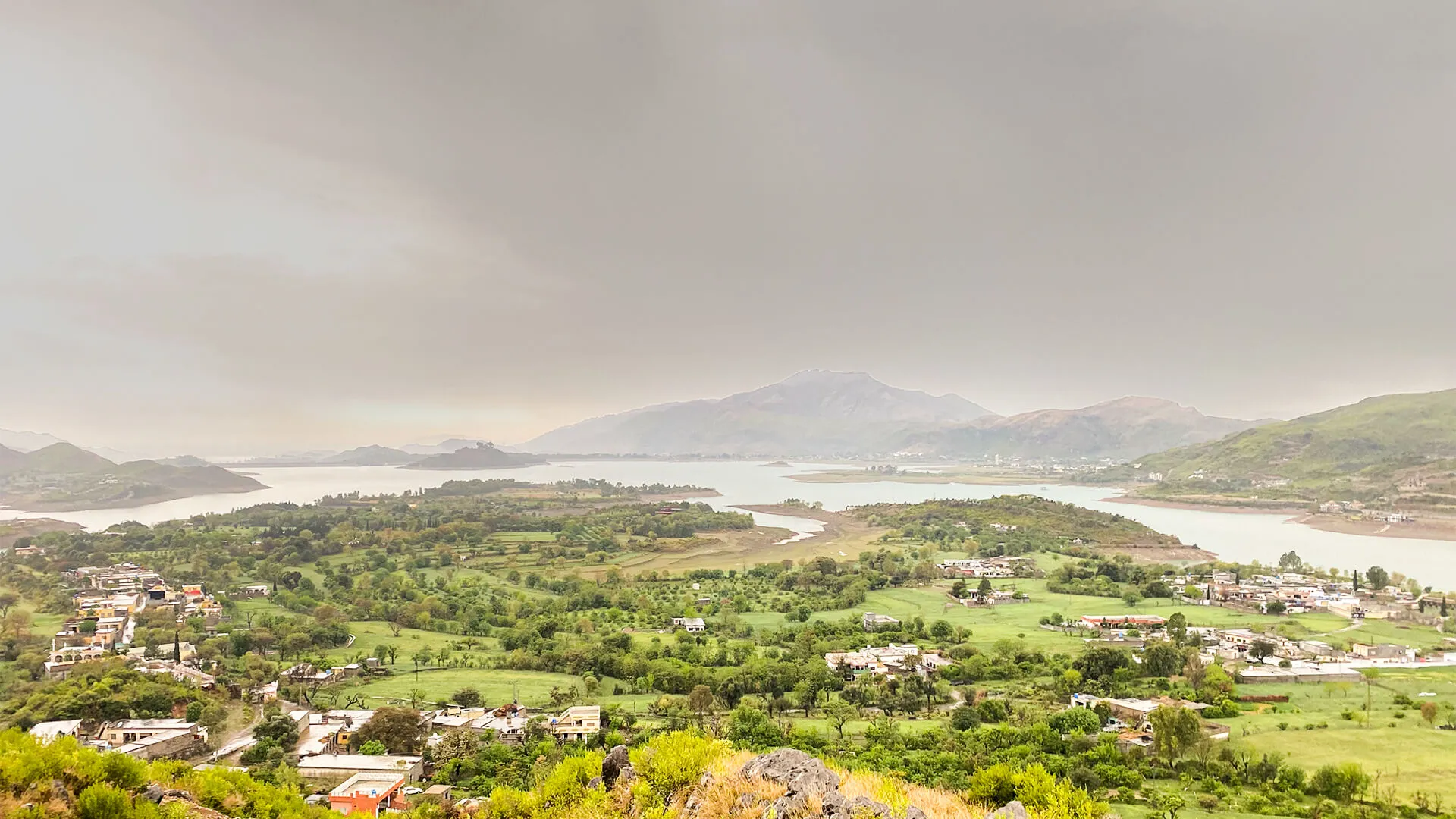
Lakeshore City is a residential and tourism real estate development situated adjacent to Khanpur Dam, one of the most visited natural landmarks in northern Pakistan. The project falls under the administrative jurisdiction of Haripur district in KPK.
Geographically, Lakeshore City sits at a strategically advantageous point — close enough to the twin cities of Islamabad and Rawalpindi to attract urban buyers, yet far enough to offer a clean, peaceful, and scenic environment away from city congestion.
Quick Location Facts
- Region: Haripur District, Khyber Pakhtunkhwa (KPK)
- Nearest landmark: Khanpur Dam (5–8 km)
- Distance to Islamabad: approximately 65–70 km (45–55 minutes by road)
- Distance to Rawalpindi: approximately 50–55 km (40–50 minutes by road)
- Distance to Taxila: approximately 25–30 km (25–30 minutes by road)
- Distance to Haripur City: approximately 15–20 km (20–25 minutes)
For buyers searching the lakeshore city location map, the project is best understood as sitting at the crossroads of the Islamabad-Haripur corridor — a corridor that has seen significant infrastructure investment in recent years.
2. Highway and Road Connectivity — A Detailed Breakdown
Understanding the road network around Lakeshore City helps explain why connectivity is considered one of its strongest selling points. Here is a breakdown of the major routes and how they serve the project.
Grand Trunk (GT) Road
The GT Road is one of Pakistan’s oldest and most important arterial highways. It connects Rawalpindi and Islamabad to Peshawar, passing through Taxila and Haripur. Residents of Lakeshore City can access the GT Road via Haripur, giving them a direct, well-maintained link to the twin cities.
The GT Road route is especially useful for daily commuters and business travelers. It is a well-lit, patrolled national highway that remains active throughout the year.
Islamabad Expressway and Motorway (M-1) Connectivity
The M-1 Motorway connects Islamabad to Peshawar. Travelers from Lakeshore City can access the motorway at Haripur Interchange or Khanpur Interchange, cutting travel time significantly compared to older routes. This motorway-level access is a major connectivity advantage — it means residents are not dependent on a single road network.
From the Islamabad end, the Islamabad Expressway connects seamlessly to the motorway system, making commutes from Lakeshore City to the federal capital a manageable part of daily life.
Khanpur Dam Access Road
The most direct route to Lakeshore City is the Khanpur Dam Road, which connects the project to the GT Road and surrounding towns. This road has seen improvements in recent years due to increased tourism traffic to the dam. It is a two-lane road suitable for all vehicle types.
For day-trippers and weekend visitors coming from Islamabad or Rawalpindi, this road serves as the primary entry point — making Lakeshore City accessible without needing any specialized transport.
Haripur–Khanpur Road
This is a local road network connecting Haripur city to the Khanpur area. It provides an alternate route to Lakeshore City and is particularly useful for residents of Haripur, Wah Cantt, and nearby industrial areas.
3. Travel Distance and Time — At a Glance
The table below provides estimated distances and travel times from Lakeshore City to key destinations in the region. These figures are based on standard road conditions and typical vehicle speeds on these routes.
| Destination | Distance | Travel Time | Route |
| Islamabad | ~55–70 km | ~45–55 min | GT Road / M-1 |
| Rawalpindi | ~50–55 km | ~40–50 min | GT Road |
| Khanpur Dam | ~5–8 km | ~8–12 min | Khanpur Dam Road |
| Taxila | ~25–30 km | ~25–30 min | GT Road |
| Haripur | ~15–20 km | ~20–25 min | Haripur-Khanpur Road |
| Wah Cantt | ~30–35 km | ~30–35 min | GT Road |
Note: Travel times are estimated under normal road and traffic conditions. Peak hours and seasonal variations may affect actual travel time.
4. Why Road Connectivity Matters in Real Estate Investment
Real estate connectivity is not just a convenience — it is an economic driver. Across Pakistan and globally, properties near major highways consistently outperform more remote counterparts in terms of price appreciation, rental demand, and liquidity.
Here is why accessibility real estate Pakistan continues to be a dominant factor in buyer and investor decisions:
Property Value Appreciation
Properties near major roads tend to rise in value faster than those in isolated areas. When infrastructure improves — such as road widening, new interchanges, or motorway extensions — the surrounding real estate often sees an immediate bump in demand and prices. Lakeshore City’s proximity to both the GT Road and M-1 Motorway positions it to benefit from any future infrastructure expansion in the Haripur corridor.
Rental Demand and Yield
Tenants and holiday renters prefer properties they can reach easily. A project that takes two hours from Islamabad will attract far fewer renters than one that takes 45 minutes. Lakeshore City’s location makes it viable for short-term vacation rentals, weekend homes, and long-term residential tenancies — all of which contribute to rental yield for investors.
Tourism Access and the Real Estate Connection
Khanpur Dam attracts hundreds of thousands of visitors each year. Families from Islamabad, Rawalpindi, Peshawar, and beyond visit for boating, camping, and recreation. This tourism traffic directly benefits nearby real estate by creating demand for short-stay accommodations, food outlets, and leisure facilities.
A well-connected real estate project near a major tourist destination sits in a natural demand cycle: tourism brings visitors, visitors want accommodation, demand for short-term rentals rises, and this pushes up property values and investor returns.
Weekend Home Demand
The 40-to-55-minute drive from Islamabad makes Lakeshore City an attractive option for professionals and families looking for a weekend home. This segment of buyers is growing rapidly in Pakistan’s real estate market. They are not looking for remote cabins — they want accessible nature, with urban amenities within comfortable driving distance. Lakeshore City fits this profile well.
Investor Confidence
Investors typically assess risk when choosing a project. A project with poor road connectivity carries higher risk — it may be difficult to exit the investment if demand is weak. Well-connected projects, by contrast, attract a broader pool of buyers, which makes the investment easier to liquidate when needed. Road connectivity, in this sense, acts as a risk reduction factor for real estate investors.
Future Development and Infrastructure Effect
As the Haripur district continues to develop — with ongoing investments in industrial zones, educational institutions, and tourism infrastructure — the road networks feeding into that area will naturally improve. Projects like Lakeshore City, already positioned near these corridors, stand to benefit as the surrounding infrastructure matures.
5. Connected vs. Remote Real Estate — A Simple Comparison
To understand the investment logic better, consider this straightforward comparison:
| Factor | Well-Connected Project | Remote / Isolated Project |
| Buyer Pool | Large — city + outskirts buyers | Small — mostly local buyers |
| Price Appreciation | Faster and more consistent | Slower, often stagnant |
| Rental Demand | High (tourists + commuters) | Low (limited visitor base) |
| Resale Liquidity | Easier to sell quickly | Harder to find buyers |
| Development Potential | Attracts commercial & retail | Limited ancillary development |
| Risk Level | Lower due to broader demand | Higher due to access barriers |
Lakeshore City, as a well-connected project, falls into the first column across most of these factors — making it a stronger candidate for long-term investment compared to isolated developments.
6. Investment Impact — ROI, Capital Gains, and the Connectivity Factor
The relationship between road connectivity lakeshore city and investment return is not theoretical — it follows a well-established pattern observed across Pakistan’s real estate market.
How Highway Access Drives ROI
Return on investment in real estate depends on two things: rental income and capital appreciation. Both are directly influenced by how easily people can access a property. Higher accessibility means more potential tenants, higher rent, and more buyers interested in purchasing — all of which push up both the yield and the resale value.
For Lakeshore City, the 40-to-55-minute commute from Islamabad creates a viable market of urban buyers who want a nature-facing property without giving up their city jobs or routines. This is the segment driving real estate demand in similar lake-adjacent and dam-adjacent projects across Pakistan.
Long-Term Capital Gains
Properties in developing corridors — areas where road infrastructure is improving and urban boundaries are expanding — tend to see stronger capital gains over a five-to-ten-year horizon. The Haripur-Khanpur corridor is one such area. As the motorway system expands and local infrastructure matures, land values in the surrounding region typically respond positively.
Early investment in such corridors often delivers above-average returns precisely because prices are still at an accessible entry point before the infrastructure effect is fully priced into the market.
The Tourism-Driven Demand Cycle
Tourism creates a demand cycle that benefits nearby real estate in multiple ways. More visitors means more people discovering the area, a portion of whom consider purchasing property. Short-term rental demand rises, providing immediate income to property owners. Businesses follow visitors, which increases employment and long-term population growth in the area. Infrastructure investment increases as the government responds to tourism growth.
Must Read: What Is the ROI of Plots Near Tourist Destinations in Pakistan?
Khanpur Dam’s sustained popularity as a recreational destination makes Lakeshore City a beneficiary of this cycle — as long as it remains accessible, which its highway connectivity ensures.
Connectivity vs. ROI — A Conceptual Graph
If one were to plot a graph of Location Advantage vs Property Value Growth for real estate projects in the Islamabad-to-Haripur corridor, the trend would show a clear positive relationship: projects with better connectivity (measured by travel time to major cities and number of highway access points) consistently show higher cumulative value growth over a five-year period.
Similarly, a Connectivity vs ROI Growth Trend chart for northern Pakistan residential projects would indicate that projects within a 60-minute drive of a major urban center, and adjacent to a tourist attraction, tend to achieve annual appreciation rates notably higher than the market average for more remote developments.
7. Future Infrastructure and Its Expected Impact
Pakistan’s national infrastructure pipeline — including motorway expansions, Haripur Special Economic Zone development, and KPK government investment in tourism corridors — is expected to further improve access to the Khanpur area in the coming years.
Key developments to watch include:
- Potential widening or improvement of the Khanpur Dam access road as tourist traffic grows
- Continued development around Haripur SEZ, which brings industrial employment and population growth
- KPK government initiatives to develop tourism infrastructure around Khanpur Dam
- General motorway system expansion that reduces travel times across the northern corridor
Each of these developments, if realized, would further enhance the highways near Khanpur Dam network and create additional upward pressure on property values in the surrounding area — including Lakeshore City.
Frequently Asked Questions (FAQ)
These answers are designed to directly address common search queries about Lakeshore City’s location and connectivity.
Q1. Is Lakeshore City near major highways?
Yes. Lakeshore City is well-connected to major road networks. It has access to the Grand Trunk (GT) Road via Haripur, connects to the M-1 Motorway through Haripur Interchange, and is reachable via the Khanpur Dam Road. These routes link the project to Islamabad, Rawalpindi, Taxila, Haripur, and Wah Cantt.
Q2. How far is Lakeshore City from Islamabad?
Lakeshore City is approximately 65–70 kilometres from Islamabad, with a typical travel time of 45 to 55 minutes under normal road conditions. The route uses the GT Road or M-1 Motorway depending on the starting point in Islamabad.
Q3. Why does location matter in real estate investment in Pakistan?
Location determines how easily buyers, tenants, and visitors can access a property. In Pakistan’s real estate market, properties near major highways consistently show faster price appreciation, higher rental demand, and better resale liquidity than isolated developments. Connectivity reduces investment risk and expands the potential buyer and tenant pool.
Q4. How does road connectivity affect property value at Lakeshore City?
Lakeshore City’s highway access makes it attractive to both Islamabad and Rawalpindi buyers looking for weekend homes and investment properties. This demand from a large urban buyer base creates upward pressure on property prices. Additionally, tourism traffic to Khanpur Dam generates short-term rental demand, which improves rental yields and supports long-term capital appreciation.
Q5. What future infrastructure developments could benefit Lakeshore City?
Expected developments in the Haripur-Khanpur corridor include road improvements to handle growing tourism traffic, expansion of the Haripur Special Economic Zone, KPK government tourism investment, and continued motorway system improvements. These developments are expected to increase accessibility and drive further property value growth in the area.
Conclusion
Lakeshore City’s proximity to major highways and its position in the Islamabad-to-Haripur corridor are among its most important real estate fundamentals. Whether you are evaluating it as a weekend home, a rental income property, or a long-term capital investment, the connectivity factor consistently works in its favour.
The combination of GT Road access, motorway connectivity, a 45-to-55-minute drive from Islamabad, and proximity to Khanpur Dam’s growing tourism economy creates a location profile that supports both lifestyle appeal and investment logic.
For buyers and investors exploring the lakeshore city location map, the key takeaway is simple: this is not a remote retreat that requires sacrificing convenience. It is a well-connected development in a growing corridor, positioned to benefit from infrastructure improvements and rising tourism demand for years ahead.