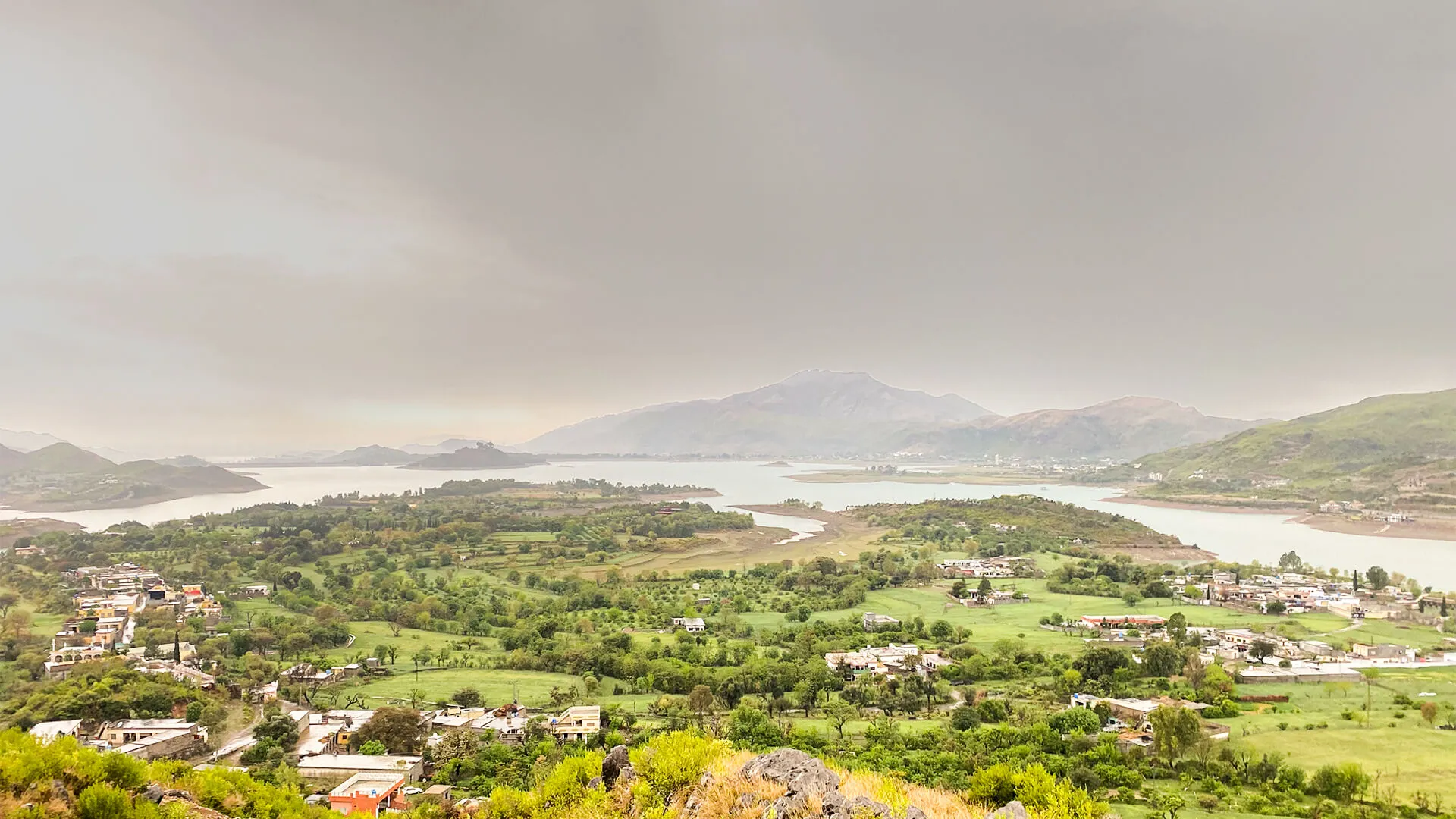
Pakistan’s tourism sector is growing faster than many people imagine. From the majestic Hunza Mountains to the lush Swat Valley and the pine-covered hills of Muri, millions of domestic and international tourists visit these destinations every year. Where there are tourists, there is a real estate market, and shrewd investors are taking notice.
If you are considering purchasing land in or around Pakistan’s tourist areas, one of your first questions will likely be, “What is a realistic return on investment (ROI) I can expect?” This article will answer that question clearly and honestly.
What Does ROI Mean in Plot Investment?
ROI (Return on Investment) indicates how much profit was obtained relative to the amount invested. In real estate, ROI mainly consists of two elements.:
- Capital gain: The increase in your plot’s market value over time.
- Rental income: Money you earn if you build and rent out a property on the plot.
For most investors in Pakistan, land near tourist areas offers both advantages and disadvantages, but the timeframe and risk level can vary depending on the location, development status, and infrastructure.
Why Tourist Destinations Often Give Better Returns
Properties near popular tourist spots tend to appreciate faster than average urban plots. Here is why:
1. High Rental Demand
In tourist areas, there is a steady demand for short-term accommodations such as guesthouses, villas, and small hotels. Landowners who develop land for tourist accommodations can earn significantly higher returns per square foot than landowners of typical residential properties.
Also Read: Investing Near Ancient Taxila: How History Adds Long-Term Real Estate Value
2. Government Investment in Infrastructure
When the government identifies a tourism zone, it usually follows up with road upgrades, electricity, gas, and water projects. This infrastructure directly increases land value — often before a single private building is constructed.
3. Limited Supply, Growing Interest
Land near scenic areas is naturally limited. As tourism grows, more buyers chase the same plots. This supply-demand imbalance tends to push prices upward, especially in locations that gain media coverage or government attention.
Key Factors That Affect ROI of Tourist-Area Plots in Pakistan
Not all plots near tourist areas are equal. Several factors determine whether your investment near tourist places in Pakistan will pay off well:
- Location advantage: A plot with a mountain view or near a lake or river will always command a premium over one located on a main road or a commercial strip.
- Development status: An approved housing scheme with basic utilities in place is safer and more valuable than undeveloped plot files with no physical verification.
- Accessibility: Easy road access matters a lot. Murree and Nathia Gali remain in demand largely because of their proximity to Islamabad via the motorway and GT Road.
- Tourism growth in the area: Hunza has seen a surge in visitors since the China-Pakistan Economic Corridor (CPEC) opened new routes, directly pushing up real estate values across Gilgit-Baltistan.
- Gated community vs. open land: Gated communities offer legal security, utilities, and amenity planning. Open land may be cheaper but comes with higher legal and development risk.
Risks Investors Should Understand
Tourist-area real estate is promising, but it is not without its challenges. Here are honest risks you need to consider before investing:
- Seasonal demand: Some areas like Khanpur Dam or Nathia Gali see very high footfall in summer but become quiet in winter. Rental income may not be consistent year-round.
- Land disputes and documentation issues: Many tourist-belt areas have complicated land ownership histories. Always do a proper title verification before buying.
- Delayed development: Some projects promise infrastructure but take years to deliver. Always check the current on-ground development status, not just the brochure.
- Regulatory approvals: Especially in areas like Azad Kashmir and northern regions, land purchase rules differ for non-locals. Verify your eligibility and get legal advice.
Emerging Projects: The Case of Lakeshore City
One notable example is Lakeshore City, a residential project under development near Kanpur Dam on the outskirts of Islamabad. The area around Kanpur Dam is already a popular weekend getaway for residents of Rawalpindi and Islamabad, thanks to its water sports, beautiful scenery, and cool climate.
Projects like Lakeshore City reflect a broader trend: developers identify areas with high tourism potential and build systematic communities around them. For investors, these projects combine the locational advantage of a tourist area with the legal stability of a well-planned project.
However, as with any emerging project, investors need to independently verify the status of the NOC (Non-Operated Concession), the development schedule, and the developer’s credibility before investing. Proximity to a tourist area is an advantage, but only if the project itself is solid.
Short-Term vs. Long-Term ROI: What to Expect
| Timeframe | Expected ROI | Best For |
| 1–2 Years (Short-Term) | 10–25% capital gain on plot files in early-launch projects | Traders and flippers |
| 3–5 Years (Medium-Term) | 30–80% appreciation as infrastructure develops | Mid-range investors |
| 5–10 Years (Long-Term) | 2x–5x value, plus rental income once developed | Wealth builders and retirees |
Pakistan’s Swat Valley is a prime example. Land purchased in the Malam Java and Bahrain districts between 2015 and 2018 has seen a dramatic increase in value due to the development of tourism infrastructure and a significant rise in tourist numbers driven by social media exposure.
Expert Tips Before You Buy a Plot Near a Tourist Area
Here is practical advice, especially for first-time investors looking at tourist area property investment in Pakistan:
- Visit the site in person. Never buy based only on brochures or online listings. See the plot, the road access, and the surrounding development with your own eyes.
- Verify legal documents. Check the title deed, NOC from relevant authority (such as RDA, CDA, or provincial development authority), and ownership record through Patwari or land registry.
- Research the developer’s track record. Have they completed previous projects on time? Do they have satisfied customers you can speak to?
- Understand the holding cost. If you buy and hold for 5 years without rental income, can you manage the property tax and maintenance? Build this into your ROI calculation.
- Diversify your investment. Don’t put all your savings into one tourist-area plot. Consider splitting between a more established location and an emerging one.
- Ask about Capital Gains Tax. Pakistan’s CGT rules have changed multiple times. Understand what you will owe if you sell within a few years.
Frequently Asked Questions (FAQs)
Q1: What is the average ROI on property in tourist areas of Pakistan?
While there are no fixed figures, select land plots near tourist destinations in Pakistan have historically seen appreciation of 20-50% over 3-5 years. In rapidly growing areas like Hunza and the western suburbs of Islamabad, some investors have achieved even higher returns over longer periods. The actual return on real estate investment in Pakistan depends heavily on the timing of the purchase, the exact location of the land, and the development of the tourism infrastructure.
Q2: Is buying a plot near Murree or Nathia Gali still a good investment in 2025?
Murree and Nathia Gali remain among the most sought-after locations near Islamabad. However, prices have already risen significantly, which means entry costs are higher. New investors may find better value-for-money in nearby but less saturated areas like Murree Expressway belt, Patriata surroundings, or newer developments in that corridor. The key is finding areas where tourism potential is growing but land prices haven’t caught up yet.
Q3: Can I earn rental income from a plot near a tourist destination?
A raw plot alone does not generate rental income. You would need to construct a building — whether a guesthouse, cottage, or small hotel — to earn from short-term rentals. However, if you buy in a well-located tourist area and develop it wisely, rental demand can be very strong. Platforms like Airbnb and Booking.com have made it easier than ever for property owners in Pakistan’s tourist areas to find paying guests.
Q4: Which tourist areas in Pakistan have the highest property appreciation potential?
Based on current tourism growth trends, the areas with strong appreciation potential include: Hunza and Gilgit-Baltistan (driven by CPEC and international tourism), Swat Valley and surrounding areas (improving infrastructure and security), Khanpur and Tarbela areas (proximity to twin cities), Azad Kashmir’s Neelum Valley (scenic beauty and growing accessibility), and Islamabad’s western and northern outskirts where new road projects are creating new location advantages.
Q5: What are the risks of investing in plot files near tourist areas?
The main risks include: unapproved or fraudulent plot files, delayed infrastructure delivery by developers, land ownership disputes especially in mountainous regions, seasonal fluctuations in rental demand, and changes in government tourism or real estate policy. To minimize these risks, always invest in legally approved schemes, work with a reliable property agent, and never skip proper due diligence.
Conclusion
Buying a plot near a tourist destination in Pakistan can be one of the smartest investment decisions you make — if you do it right. The combination of growing domestic tourism, improving road infrastructure, rising rental demand, and limited land supply in scenic areas creates a strong foundation for solid returns.
That said, this is not a guaranteed money machine. Like any investment, it requires proper research, legal verification, realistic expectations, and patience. Short-term flipping is possible in early-stage projects, but the best returns — both from capital gain and rental income — tend to come to those who hold for five years or more.
Whether you are looking at an established name like Murree, an emerging hotspot like Swat or Hunza, or a newer project near Khanpur Dam, the core principles remain the same: buy in a legally clear scheme, verify development status on the ground, and invest in a location where tourism is genuinely growing — not just being marketed.
Do your homework, take your time, and the ROI of plots near tourist destinations in Pakistan can be very rewarding indeed.