- Nature access — clean air, waterfront views, open green space — now functions as a luxury signal buyers pay for, alongside square footage and address.
- Communities built around lakes, parks, and heritage corridors tend to hold buyer demand better over time, though appreciation always depends on infrastructure delivery and market conditions.
- Lakeshore City combines residential plots, a private club, and a tourism corridor around Khanpur Dam, giving buyers both a lifestyle and an investment angle.
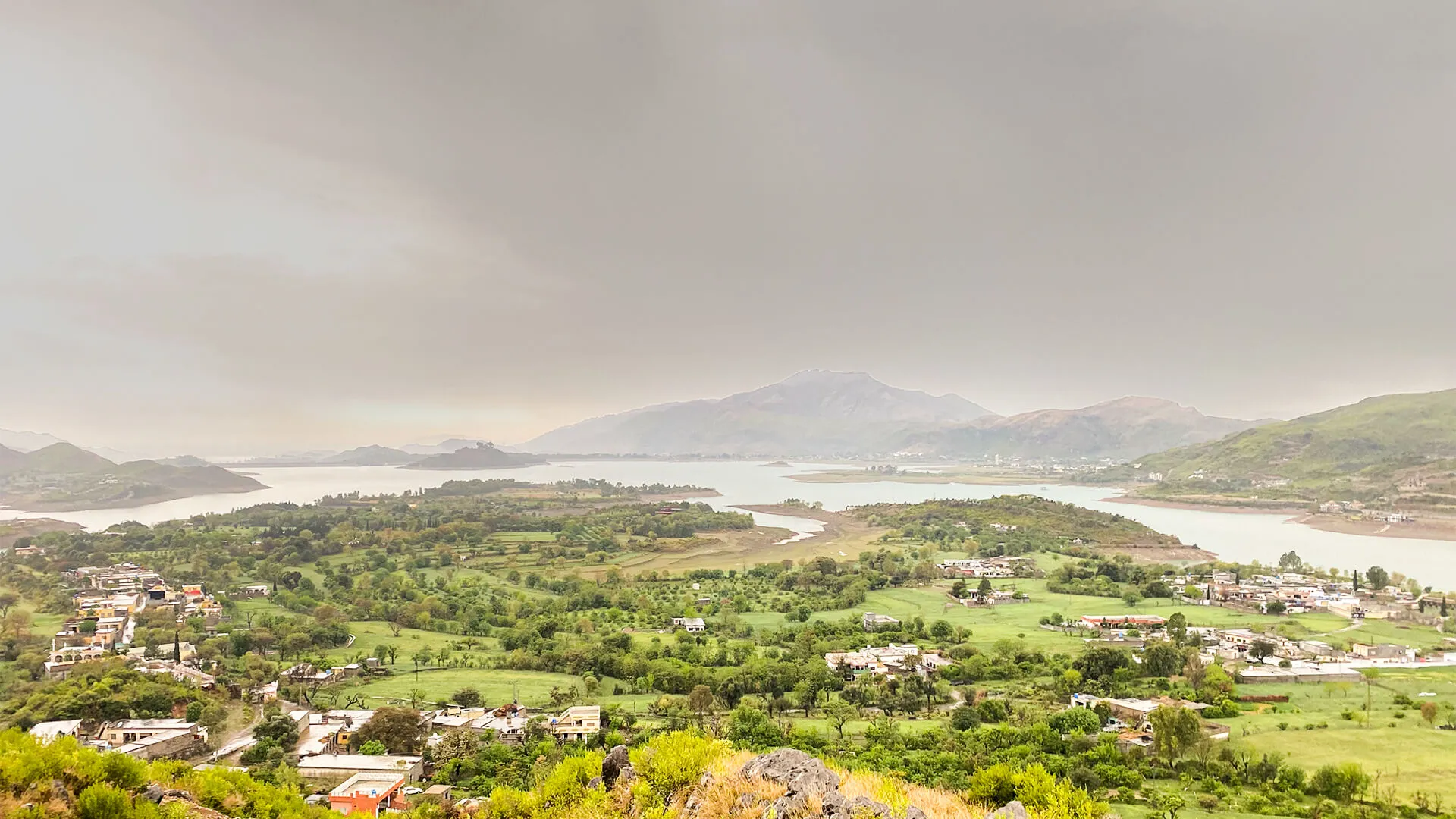
A decade ago, luxury in real estate meant square footage, marble floors, and a prestigious postal code. That definition is shifting. Buyers touring high-end developments now ask about air quality before they ask about ceiling height. They want to know if there’s a lake nearby, whether the neighborhood has walking trails, and how far the nearest patch of open green space sits from the front door. Nature has quietly become one of the most sought-after assets in the property market, and developments built around it from the start are benefiting from that shift. Lakeshore City, positioned along the Khanpur Dam corridor near Islamabad, shows how a project can be designed around this exact demand rather than adding greenery as an afterthought.
Why Nature Has Become the New Definition of Luxury
Urban living has gotten louder and denser over the past two decades, and buyers have noticed. Long commutes, shrinking green space, and constant noise have pushed wellness to the top of the list when people shop for a home. Access to fresh air and open landscapes used to be assumed; now it has to be built in deliberately. Studies on urban wellbeing consistently link proximity to green space with lower stress and better sleep, which explains why buyers are willing to pay a premium for it rather than treat it as a bonus. A home near water or open land isn’t just scenic anymore — it touches daily mood, health, and how a family spends its weekends.
How Green Communities Improve Everyday Living
The appeal of nature-inspired communities goes beyond the view from a window. Parks give children somewhere to play that isn’t a parking lot. Walking trails turn a daily errand into light exercise. Lakeside settings offer boating, fishing, or simply a quiet spot to sit after work, and lower traffic density means fewer honking cars and more actual conversation between neighbors. Families who move into these settings often shift how they spend free time together, from screen-heavy evenings indoors to walks, picnics, and outdoor gatherings. None of that shows up on a floor plan, but it shapes how a family actually experiences a home once they’ve moved in.
Nature and Property Value: A Long-Term Investment Advantage
Buyer preference for green, waterfront, and heritage-adjacent locations tends to translate into stronger long-term demand, since these settings are naturally limited in supply and consistently attractive to a broad pool of future buyers. That combination often supports rental appeal and resale interest better than a generic urban plot competing against dozens of similar units. This isn’t a guarantee of appreciation — property values still depend on infrastructure rollout, approval status, and broader market conditions, and anyone treating a plot as an investment should verify those factors directly with the developer rather than assume scenery alone drives returns. What nature-based locations do offer is a demand floor: even in flat markets, land near a lake or a recognized heritage corridor tends to hold buyer interest better than land with no distinguishing feature at all.
Lakeshore City: A Community Inspired by Nature
Lakeshore City sits along the Khanpur Dam and Taxila corridor, an area shaped by reservoir views and archaeological heritage rather than dense urban sprawl. The community’s residential offering, Lakeshore Residencia, is laid out around that setting, with plots designed to take advantage of lake and hill views rather than facing inward toward a generic street grid. The Lakeshore Club adds a recreational core to the project, giving residents a shared space for leisure without leaving the community. Planning also accounts for the corridor’s tourism draw: Khanpur Dam already pulls weekend visitors from Islamabad and Rawalpindi, and Taxila’s Gandhara-era sites add a heritage dimension that few nearby developments can match. For buyers comparing whether to build a future home or hold land for its long-term potential, that combination of scenery, amenities, and tourism traffic is worth weighing directly against more conventional urban options.
Why Families and Investors Are Choosing Lifestyle Communities
Safety, planning, and pace of life all factor into why lifestyle communities have gained ground. Families want a place where children can play outside without constant supervision. Retirees want quieter surroundings without giving up access to a city when they need it. Remote workers, no longer tied to a downtown office, are free to prioritize scenery and space over proximity to a business district. Investors watching these shifts have started treating lifestyle appeal as a genuine factor in residential or commercial decisions, not just a soft selling point, because a community people actually want to live in tends to attract steadier long-term demand than one that offers square footage alone.
Sustainable Living Is Shaping the Future of Real Estate
Environmental responsibility has moved from a checkbox to a planning principle. Developers increasingly think about water management, green infrastructure, and how a community will function decades from now, not just at handover. That shift matters for buyers too: a community planned with sustainability in mind is less likely to face the infrastructure strain that hits denser, reactive developments a decade in. Responsible planning today tends to mean fewer surprises for residents later, from utility reliability to how well shared green space holds up under growth.
Nature-Inspired vs. Conventional Development
| Factor | Nature-Inspired Community | Conventional Urban Plot |
| Buyer demand pool | Broad — appeals across families, retirees, investors | Narrower, competes on price alone |
| Everyday lifestyle | Parks, trails, lakeside recreation | Limited to built environment |
| Rental / resale appeal | Generally stronger, not guaranteed | Market-dependent, less differentiated |
| Long-term demand floor | Supported by limited natural supply | More exposed to oversupply |
| Wellness factor | Direct — air quality, noise, green access | Indirect at best |
Conclusion
The biggest luxury in real estate today isn’t a bigger house or a flashier address. It’s a place that offers clean air, open water, and a slower pace, alongside the kind of long-term value that comes from genuine buyer demand rather than marketing alone. Lakeshore City brings that combination together along the Khanpur Dam corridor, pairing lakefront living with a heritage-rich setting and a community built to last. If that combination fits what you’re looking for, reviewing the current payment plan is a practical next step, and the Clients Booking Form makes it simple to reserve a plot once you’re ready. For buyers who want more information first, registering your interest connects you directly with the sales team before you commit to anything.
FAQs
Is buying property near nature a good investment?
It can be, since natural surroundings tend to support steady buyer demand, though returns still depend on infrastructure and market conditions rather than scenery alone.
Why do green communities appreciate faster?
Limited supply of genuinely scenic, well-planned land combined with broad buyer appeal tends to support demand better than generic urban plots, though appreciation is never guaranteed.
Is waterfront property a good long-term investment?
Waterfront settings usually draw both residential and tourism interest, which can support rental appeal, but buyers should verify current development status before treating it as a certainty.
Why are tourism-based developments becoming popular?
They combine a lifestyle draw for residents with a built-in customer base for nearby businesses, which supports both livability and commercial potential.
Is Lakeshore City suitable for families?
Yes. The community’s residential plots, recreational club, and lower-density setting are built around long-term family living rather than short-term turnover.
Is Lakeshore City suitable for investors?
It can suit investors interested in a growing tourism corridor, provided they independently verify approval status and payment terms before committing funds.
Why Lakeshore City Reflects the Future of Modern Living
The direction real estate is heading combines lifestyle, wellness, and long-term value in a single decision rather than treating them as separate purchases. Lakeshore City brings together a natural setting, a planned residential offering, a recreational club, and a tourism corridor that keeps demand active well beyond the buyers who move in. It reflects what more of the market is starting to prioritize: not just where a home sits, but how it feels to live there.