

Buying land is not simply about securing ownership. It is about understanding risk, timing, liquidity, and long-term positioning. Many buyers focus heavily on price or installment convenience. Experienced investors, however, focus on structure, legality, and development execution.
If you are considering buying a plot in Lakeshore City, clarity before commitment can significantly reduce long-term risk.
Start With Legal and Structural Clarity
Before discussing appreciation or payment plans, legal status must be verified. Approval documentation, land ownership structure, and master plan permissions determine whether a project can sustain long-term market confidence.
In real estate, liquidity depends heavily on legality. Even visible development cannot compensate for unresolved documentation issues. Buyers who skip this step often face resale limitations later.
Smart buyers usually cross-check official approval documents with the issuing authority and compare plot details with the approved master layout before making any booking payment. Before buying a plot in Lakeshore City, reviewing official approvals and documentation should always be the first checkpoint.
Observe Development, Not Just Announcements
Emerging housing projects often look impressive in brochures. However, sustainable value is created through real on-ground progress rather than marketing presentation.
Road construction, drainage systems, electricity networks, boundary demarcation, and early commercial activation are stronger indicators of long-term stability than launch events or advertisements. Visible infrastructure signals that development is moving beyond planning into execution.
Also Read: Is Buying Property Near Khanpur Dam a Smart Investment or a Long-Term Risk?
During a site visit, experienced buyers usually check whether roads match the approved layout map and whether utility work is actively progressing instead of merely announced. In Lakeshore City’s case, reviewing recent development progress updates and visiting the site offers more clarity than relying solely on presentations.
Understand the Planning Logic Behind the Project
Not all housing projects are built with long-term livability in mind. Some prioritize rapid plot sales. Others follow a master-planned community model that supports sustainable residential absorption. A structured layout considers:
- Road width and traffic flow
- Residential-to-commercial balance
- Green space allocation
- Community facilities
- Controlled density
Planning discipline influences how demand evolves. A well-designed layout improves stability by supporting permanent settlement rather than short-term speculation.
Location Inside the Project Matters More Than Buyers Realize
Two plots within the same housing society can perform very differently. Plots near main boulevards, commercial hubs, or early-development blocks typically attract attention sooner. In contrast, outer blocks or later-phase areas may require a longer holding period.
Internal positioning affects resale timing, perceived value, and overall market interest. Price differences within the same project often reflect accessibility and development priority rather than arbitrary pricing.
Understanding internal layout dynamics is an essential step when buying a plot in Lakeshore City.
Analyze the Payment Plan Rationally
Installment plans make entry easier, but buyers should carefully review the full payment plan structure, including development charges, balloting terms, final payments, and the overall timeline before committing.
In Lakeshore City’s Executive Block, plots are offered on a 60-month installment structure across different categories. The plan spreads payments over time, reducing upfront pressure. However, buyers should calculate the complete cost over the full term and confirm it aligns with their financial capacity and the project’s development pace.
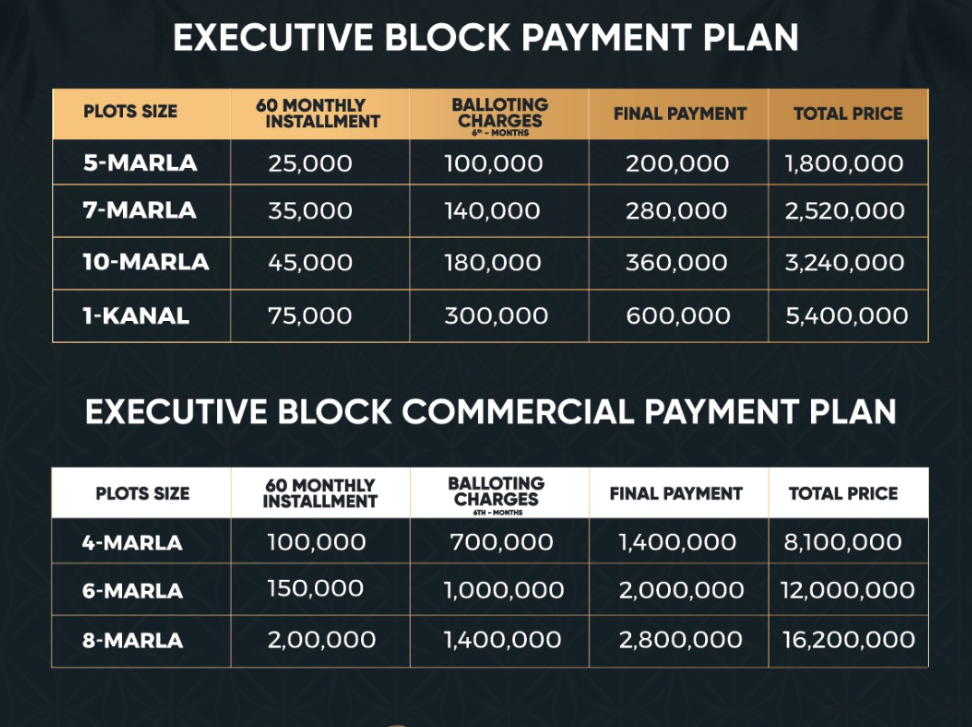
Installment buying works best when matched with realistic expectations and careful financial planning.
Evaluate Broader Market Logic
No housing project operates in isolation. Peripheral real estate markets strengthen when broader economic and infrastructure conditions support growth.
Connectivity and Access
Access to major roads and motorway networks plays a central role in demand stability. Strong connectivity reduces travel time and makes the location feel practically closer to Islamabad. This supports gradual population movement and improves long-term buyer confidence.
Residential Population Growth
Property value becomes more stable when permanent residents begin moving into the area. As residential occupancy increases, resale liquidity improves, and the project transitions from speculative demand to real end-user demand.
Commercial Expansion
The presence of shops, schools, healthcare facilities, and daily services signals project maturity. Commercial activity reduces reliance on short-term investor interest and supports sustainable community growth.
Infrastructure Consistency
Steady infrastructure execution builds long-term confidence. Markets respond more positively to consistent on-ground progress than to announcement-driven momentum.
If expansion from Islamabad continues and infrastructure aligns with disciplined planning, structured developments can gradually strengthen. However, appreciation in emerging corridors is usually measured and progressive rather than sudden or explosive.
Developer Track Record and Execution Discipline
A developer’s history significantly influences buyer confidence. Projects delivered on schedule build trust. Delayed projects create uncertainty even if planning quality is strong. Execution discipline reduces volatility and speculation-driven risk.
Buyers should evaluate the developer’s track record and project history, transparency, and execution consistency before committing capital. In real estate, trust takes time to build but can disappear quickly.
Common Misjudgments First-Time Buyers Make
Many first-time plot buyers concentrate heavily on entry price. Others assume appreciation will automatically follow scenic positioning. Some skip documentation verification or fail to visit the site before booking. The most frequent mistake, however, is misaligned expectations.
Emerging real estate markets require patience. Buyers expecting rapid gains in infrastructure-driven projects often face frustration. Real estate rewards discipline more than urgency.
Conclusion
Buying a plot in Lakeshore City should not be based only on marketing or attractive offers. It should be based on proper checking and clear understanding.
Long-term value depends on legal approval, visible development work, good planning, and realistic timelines. Project location and easy installment plans may attract buyers, but real value comes from steady construction and actual progress.
Before buying a plot in Lakeshore City, take time to review documents, visit the site, and understand the payment structure. In growing areas, patience and careful decisions usually perform better than quick and emotional choices.
FAQs
What should buyers check before buying a plot in Lakeshore City?
Before buying a plot in Lakeshore City, buyers should check legal approval, development progress, plot location inside the project, and the full payment plan. Visiting the site and reviewing official documents can reduce risk. Proper checking helps avoid future resale or ownership issues.
How can buyers verify plot legality in Lakeshore City?
Buyers can verify legality by checking NOC approval, land ownership records, and official project documentation. It is important to confirm approval status from the relevant development authority. Legal clarity protects long-term investment.
Why is development progress important before buying a plot?
Development progress shows whether a project is moving forward as planned. Visible roads, utilities, and construction reduce risk and improve resale confidence. Projects with real on-ground progress usually perform more steadily.
What documents are required before purchasing a plot?
Before purchasing a plot, buyers should review the allotment letter, payment schedule, sale agreement, and NOC documentation. Ownership records should also be verified. Proper paperwork ensures legal security.
Does plot location inside a housing project matter?
Yes, plot location inside the project matters. Plots near main roads or commercial areas often gain attention earlier. Internal positioning can affect resale timing and overall demand.
Are installment plans safe for plot buyers?
Installment plans can be safe if buyers understand the total cost, timeline, and development status. Monthly payments may look easy, but full cost planning is important. Financial discipline reduces long-term pressure.
What mistakes do first-time plot buyers make?
First-time buyers often focus only on price and ignore legal checks or development status. Some expect quick profits without understanding timelines. Visiting the site and reviewing documents can prevent common mistakes.