Lakeshore City’s investment case rests on three checkable factors: a waterfront location on Khanpur Dam along the Taxila–Haripur GT Road, infrastructure that is still being built out in phases, and appreciation potential tied to how the surrounding corridor develops over the coming years. No appreciation figure is guaranteed — treat every projection here, and in any sales material, as an assumption to verify rather than a promise.
Anyone typing “is Lakeshore City a good investment” into Google usually wants one thing: a straight answer built on facts, not a pitch. The honest answer is that Lakeshore City carries real structural advantages — a genuine lake, an established developer, a corridor with documented growth momentum — alongside the same development-stage risks that apply to any under-construction township in Pakistan. This guide walks through the location, the infrastructure on the ground today, and what actually drives or threatens appreciation, so the opportunity can be weighed on evidence rather than marketing language. For more on what sets the project apart, see our breakdown of reasons investors are considering Lakeshore City, which covers the developer’s track record and product structure in more depth.
Location and Connectivity: What the Map Actually Shows
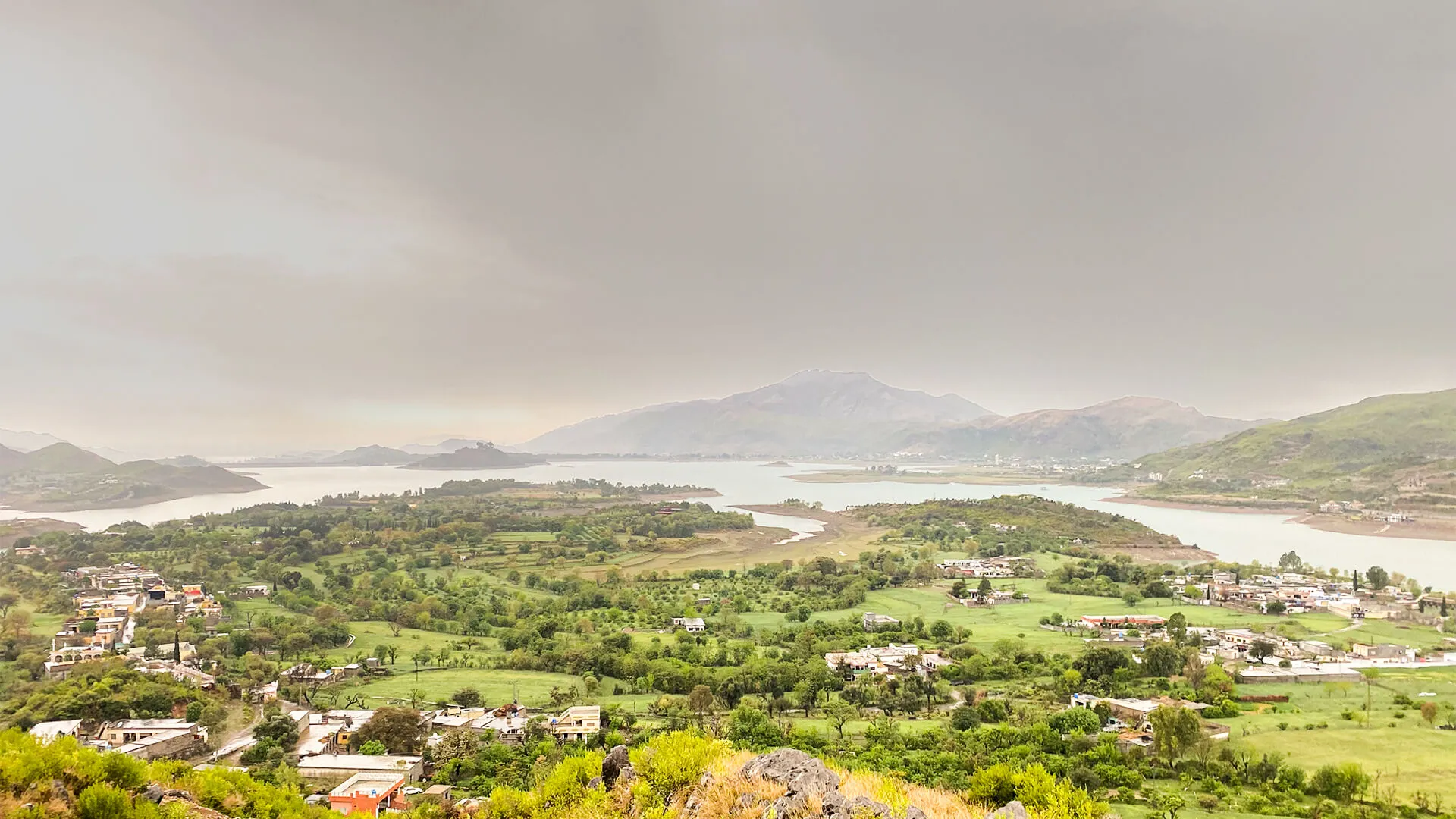
Lakeshore City sits in Jabbri, on the Taxila–Haripur GT Road, directly beside Khanpur Dam. The dam itself isn’t a marketing prop: it was completed in 1983, stands roughly 51 metres high, and holds close to 80,000 acre-feet of water, so the waterfront setting predates the development by four decades. Drive time from Islamabad is commonly cited at around 45 minutes, though that figure moves with traffic and route, and it’s worth testing yourself rather than taking it as fixed.
Connectivity matters here for two separate reasons. First, GT Road already links the site to Taxila, Haripur, and the wider Islamabad–Rawalpindi metro area, so access doesn’t depend on infrastructure that hasn’t been built yet. Second, the twin cities’ residential and commercial footprint has pushed steadily outward along this corridor for years, and Lakeshore City sits inside that direction of travel. That’s a local tailwind worth noting, but it’s a slow-moving trend rather than a fixed timeline — how much value it adds, and how quickly, depends on factors outside any single project’s control.
Infrastructure and Development Factors Shaping the Project
Lakeshore City is structured as three linked products: Lakeshore Residencia for residential and commercial plots, Lakeshore Farms for larger farmhouse parcels, and Lakeshore Club as the recreational core. That segmentation affects infrastructure priorities, since roads, underground utilities, and boundary development tend to reach the more active sectors first.
Pricing already reflects how uneven infrastructure buildout is between blocks. On the commercial side, sectors with completed roads and utilities carry higher listed prices than blocks still under development, a pattern our complete guide to Lakeshore City’s 2026 commercial plot prices sets out block by block. That gap is a useful signal for investors: it shows the market is already pricing in construction progress, not just location.
Future Appreciation Drivers and Risks
Three factors plausibly support future value growth. Khanpur Dam already draws weekend visitors from Islamabad and Rawalpindi independent of anything Lakeshore City builds, which gives farmhouse and short-stay rental demand a foundation that doesn’t rely purely on the developer’s execution. Blocks still completing their infrastructure phase are typically priced below what a fully developed, amenity-complete sector commands, and that gap can narrow as construction catches up. The project’s position on Islamabad’s documented outward growth corridor also means broader metro-area demand could eventually reach this stretch of GT Road.
None of that is a promise. Development timelines in Pakistani real estate frequently slip, and a project still completing phases carries genuine liquidity risk — resale before full development can be slower and less predictable than resale in an established society. Broader market cycles, interest rates, and construction costs also affect how fast any township appreciates, and no verifiable published record ties a specific historical return to Lakeshore City itself. Appreciation here should be treated as a plausible outcome tied to development progress, not a projected figure.
An Investor’s Evaluation Framework
Before committing capital, work through a short checklist rather than relying on the sales pitch:
- Confirm today’s payment plan, booking amount, and instalment schedule directly with the developer, not a third-party listing.
- Compare the block under consideration against current, dated site photos or an in-person visit — plans and ground reality can differ.
- Match the product to the objective: Lakeshore Residencia suits buy-and-hold investors, Lakeshore Farms suits those wanting rental-ready weekend property, and commercial plots suit longer-horizon investors comfortable with footfall-dependent returns.
- Stress-test the instalment schedule against actual cash flow, not the advertised monthly figure alone.
| Product | What It’s Built For | Best Fit |
| Lakeshore Residencia | Residential and commercial plots | Buy-and-hold or resale-focused investors |
| Lakeshore Farms | 2, 4, and 8 Kanal farmhouse parcels | Weekend-home buyers and rental-income investors |
| Lakeshore Club | Recreational membership and shared facilities | Investors valuing on-site lifestyle amenities |
Conclusion: Weighing Lakeshore City on the Evidence
Lakeshore City’s investment potential is real but conditional. The location on Khanpur Dam is fixed and verifiable, the developer has an operating history that can be researched, and the corridor’s growth direction is documented — but infrastructure completion, market conditions, and independent due diligence will determine whether that potential converts into actual appreciation. If the fundamentals fit an individual investor’s goals, the next reasonable step is to request current pricing and a written payment plan directly from the sales team, and to have the paperwork reviewed before committing funds.
FAQs
How far is Lakeshore City from Islamabad?
The site is commonly cited as roughly 45 minutes from Islamabad via GT Road, though actual drive time depends on traffic and the route taken.
What actually drives future appreciation at Lakeshore City?
Existing tourism footfall around Khanpur Dam, the pricing gap between under-development and fully built blocks, and the corridor’s position along Islamabad’s outward growth path are the most plausible drivers. None of these guarantees a specific rate of return.
Are residential plots or commercial plots the better investment?
It depends on horizon and objective. Residential plots in Lakeshore Residencia generally suit buy-and-hold investors, while commercial plots carry higher entry costs and returns tied more directly to footfall and occupancy as surrounding sectors develop.
What should I verify before booking a plot at Lakeshore City?
Confirm the current payment plan and booking amount with the sales office, request TMA and WAPDA/Irrigation Department documentation, and have a property lawyer review the sale or allotment paperwork before paying beyond a token amount.
Who developed Lakeshore City?
Lakeshore City is developed by Al Sadat Group, which has operated in Pakistani real estate for several decades and has other projects under its name.