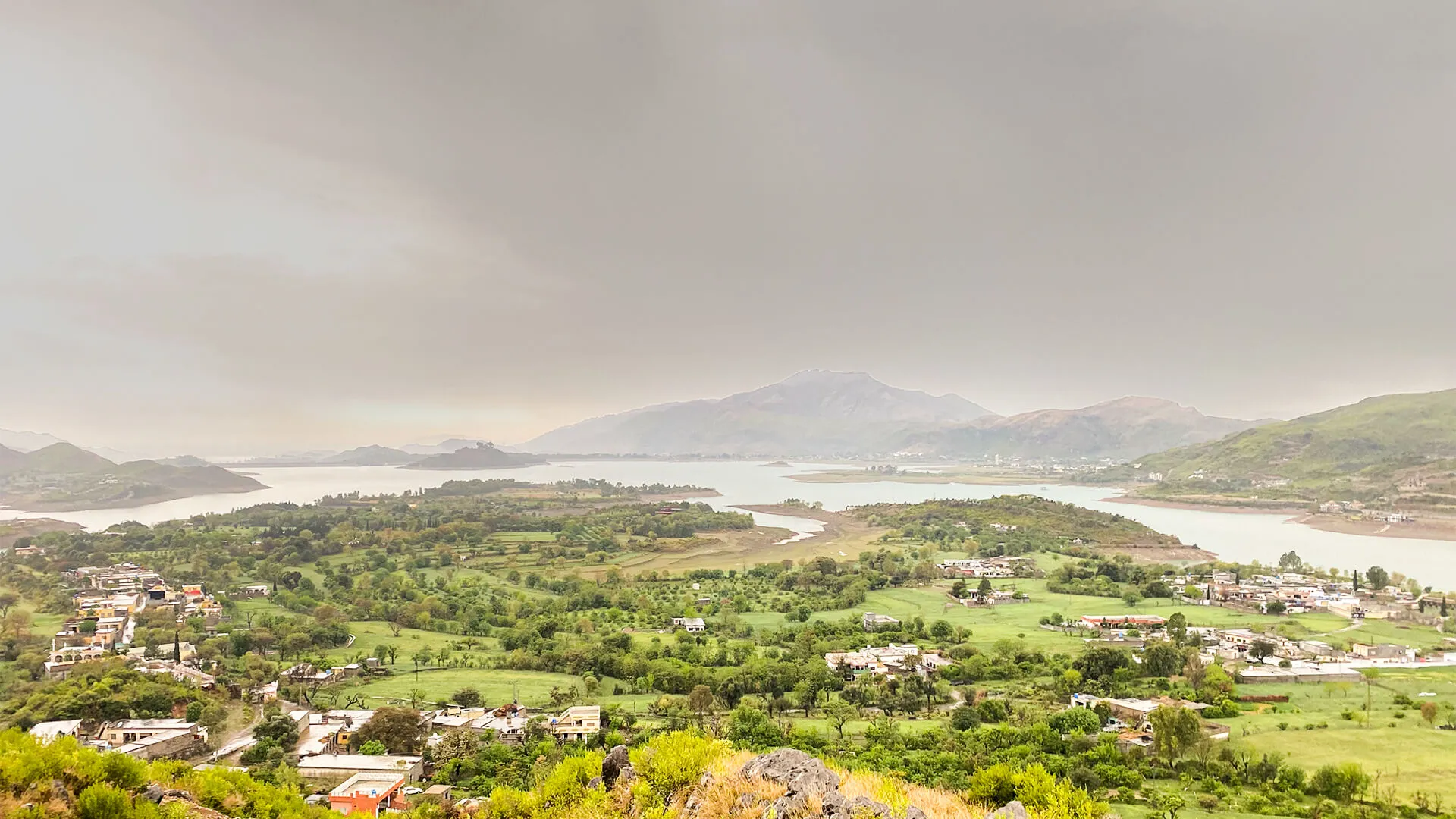
Tourism around Khanpur Dam has increased steadily over the past few years, turning the area into a popular destination for short trips, water sports, and outdoor activities. This shift has not only affected visitor traffic but has also influenced nearby real estate trends.
When analyzing the Khanpur Dam tourism property impact, it becomes clear that tourism can play an important role in shaping property demand, pricing patterns, and long-term investment potential. However, the relationship between tourism and property value is not immediate.It develops gradually over time and depends on several supporting factors.
Tourism as a Demand Driver
Tourism brings visibility to a location. As more people visit an area, awareness increases, and interest in nearby property begins to grow. In places like Khanpur Dam, tourism activity creates demand for:
- Short-term rentals
- Guest houses and resorts
- Food and retail businesses
This demand can gradually influence land prices, especially in areas close to main access points and activity zones. However, tourism alone does not guarantee stable growth without supporting infrastructure.
Role of Infrastructure in Sustaining Value
While tourism creates initial interest, infrastructure determines whether that interest turns into long-term value. Road access, parking facilities, utilities, and organized development are essential for supporting both visitors and residents.
Also Read: First-Time Property Buyers in Pakistan: Costly Mistakes and Smarter Alternatives
If infrastructure improves alongside tourism growth, property demand becomes more consistent and sustainable. Without proper infrastructure, tourism-driven demand often remains seasonal and unpredictable.
Transition from Visitor Zone to Investment Corridor
Over time, tourism areas can evolve into broader investment zones. This transition usually happens in stages:
- Early stage: Increased visitor traffic and land speculation
- Development stage: Road improvements and small-scale businesses
- Growth stage: Planned housing projects and commercial activity
- Maturity stage: Stable community with mixed residential and commercial use
Khanpur Dam appears to be moving from early activity toward gradual development, which is where long-term investment interest typically begins to form. Some planned developments in the area reflect this transition by combining tourism potential with structured real estate planning.
For example, projects like Lakeshore City are designed with residential and commercial zones to support both visitor activity and long-term community development. Such projects illustrate how tourism-led locations can gradually evolve into organized investment corridors.
Impact on Residential and Commercial Property
Tourism affects different types of property in different ways. Residential plots may benefit as more people consider living near scenic or recreational areas. However, this demand usually develops slowly and depends on infrastructure and community formation.
Commercial plots usually respond more directly to tourism because businesses rely on visitor traffic. Restaurants, shops, and service-based spaces tend to grow as tourism becomes more consistent.
Long-Term Value Depends on Stability
The long-term Khanpur Dam tourism property impact depends on whether tourism becomes consistent and structured.
If tourism remains seasonal or unorganized, property value growth may be limited. But if it is supported by:
- Infrastructure development
- Planned communities
- Commercial activity
- Improved accessibility
then property demand is more likely to stabilize and grow over time.
Conclusion
Tourism around Khanpur Dam can influence property value, but its impact depends on infrastructure, accessibility, and long-term development. Sustainable growth occurs when tourism is supported by real development rather than short-term activity alone.
FAQs
Does tourism increase property value near Khanpur Dam?
Yes, tourism can increase property value near Khanpur Dam by attracting more visitors and investment interest. However, long-term value growth depends on infrastructure development, accessibility, and consistent tourism activity rather than short-term visitor trends alone.
Why does tourism affect real estate prices?
Tourism affects real estate prices because it creates demand for accommodation, businesses, and services. As visitor activity increases, land near tourist areas becomes more valuable, especially when supported by proper infrastructure and commercial development.
Is property near tourist areas a good investment?
Property near tourist areas can be a good investment if tourism remains consistent and infrastructure supports growth. Locations with better road access, utilities, and planned development tend to offer more stable long-term returns.
Do commercial plots benefit more from tourism?
Yes, commercial plots often benefit more directly from tourism because businesses depend on visitor spending. Restaurants, shops, and rental services tend to perform better in areas with regular tourist activity and strong accessibility.
How long does tourism take to impact property value?
Tourism usually impacts property value gradually over time. It may take several years for increased visitor activity, infrastructure development, and local business growth to combine and create stable and sustainable price appreciation.