| Local communities benefit from tourism-led development when visitor spending stays in the area and residents help shape how the destination grows. In practice that means local jobs, locally owned businesses, shared infrastructure, protected heritage and clear limits on environmental pressure. Without those safeguards, income leaks to outside operators while residents absorb the costs. |
Tourism is big business. The World Travel & Tourism Council (WTTC) forecasts that it will contribute US$12 trillion, or 9.9% of global GDP, in 2026 and support 376 million jobs, about one in nine worldwide. UN Tourism estimates 1.52 billion international arrivals in 2025. Those totals say nothing about who gets paid. The World Bank points out that some tourists spend heavily in local communities, while others spend little and leave local authorities to supply water, power and waste services for a seasonal crowd. The gap between those two outcomes comes down to planning.
What Is Tourism-Led Development?
Tourism-led development treats visitor demand as the starting point for wider local progress: better roads and utilities, new skills, small enterprises and funded heritage care. UN Tourism defines sustainable tourism as tourism that weighs its current and future economic, social and environmental effects and serves visitors, industry, environment and host communities together. Community benefit sits inside that definition. It is not a bonus.
Five Ways Communities Benefit
1. Job creation
The World Bank reports that women made up 54% of the tourism workforce in 2020, so guiding, hospitality and food service can open doors that other sectors keep shut. In Pakistan, the World Bank puts tourism’s 2022 contribution at 5.9% of GDP and 4.2 million jobs. Skilled roles such as guides, cooks and site managers give residents a career path that seasonal labour does not.
2. Local businesses and entrepreneurship
Visitors buy meals, transport, crafts and rooms. When they buy from neighbourhood suppliers, the money circulates locally before it leaves. The World Bank’s Khyber Pakhtunkhwa Integrated Tourism Development Project pairs infrastructure with tourism entrepreneurship support, including business training for women. A homestay or guide cooperative needs far less capital than a hotel, which keeps ownership within reach of residents.
3. Infrastructure that serves residents
Roads, water systems, waste collection and online booking built for visitors work for residents all year. That is the logic behind the Khyber Pakhtunkhwa project, which finances tourism-enabling infrastructure and stronger destination management. Locals keep the upgrades long after peak season ends.
4. Cultural preservation
Heritage that draws paying visitors has an economic case for survival. Ticket revenue, guiding fees and craft sales can fund restoration that public budgets often miss. Authenticity matters, though. Sustainable tourism, as UN Tourism frames it, respects the cultural character of host communities and conserves their built and living heritage. A site turned into a stage set loses the thing visitors came for.
5. Investment opportunities
Tourism draws private money into accommodation, transport and services. The Pakistan Tourism Development Corporation (PTDC) hosted its third Pakistan International Tourism Investment Conference in 2025 under the theme “Tourism and Sustainable Transformation,” with community-based tourism models on the agenda. Investment helps residents when local hiring and local sourcing come attached. Property buyers should stay cautious: values depend on approvals, delivery and market conditions, and they can fall as well as rise. Our piece on why the future of real estate may depend on experiences, not just buildings explains how to test an experience-led pitch before you commit money.
The Pressures Communities Should Plan For
Four pressures show up in most growing destinations. Each has a practical response.
| Pressure | What it looks like | Practical response |
|---|---|---|
| Environmental strain | Waste, water demand, damaged shorelines and trails | Visitor limits, waste systems and protected buffer zones. The World Bank-backed TREK initiative has trained Khyber Pakhtunkhwa communities and hospitality businesses in waste management. |
| Inequality | Profits flow to outside operators; few local hires | Local hiring targets, local supplier rules and community-owned enterprises |
| Seasonal overload | Peak crowds strain water, power and roads | Spread visits across the year and manage capacity |
| Weak planning | Fast growth with no data on impacts | Destination management bodies and impact monitoring, such as UN Tourism’s network of sustainable tourism observatories |
None of this happens automatically. UN Tourism describes sustainability as a continuing process of monitoring impacts and correcting course. Our guide on what makes a tourism destination sustainable beyond its first few years picks up that long-term question.
Where Lakeshore City Fits
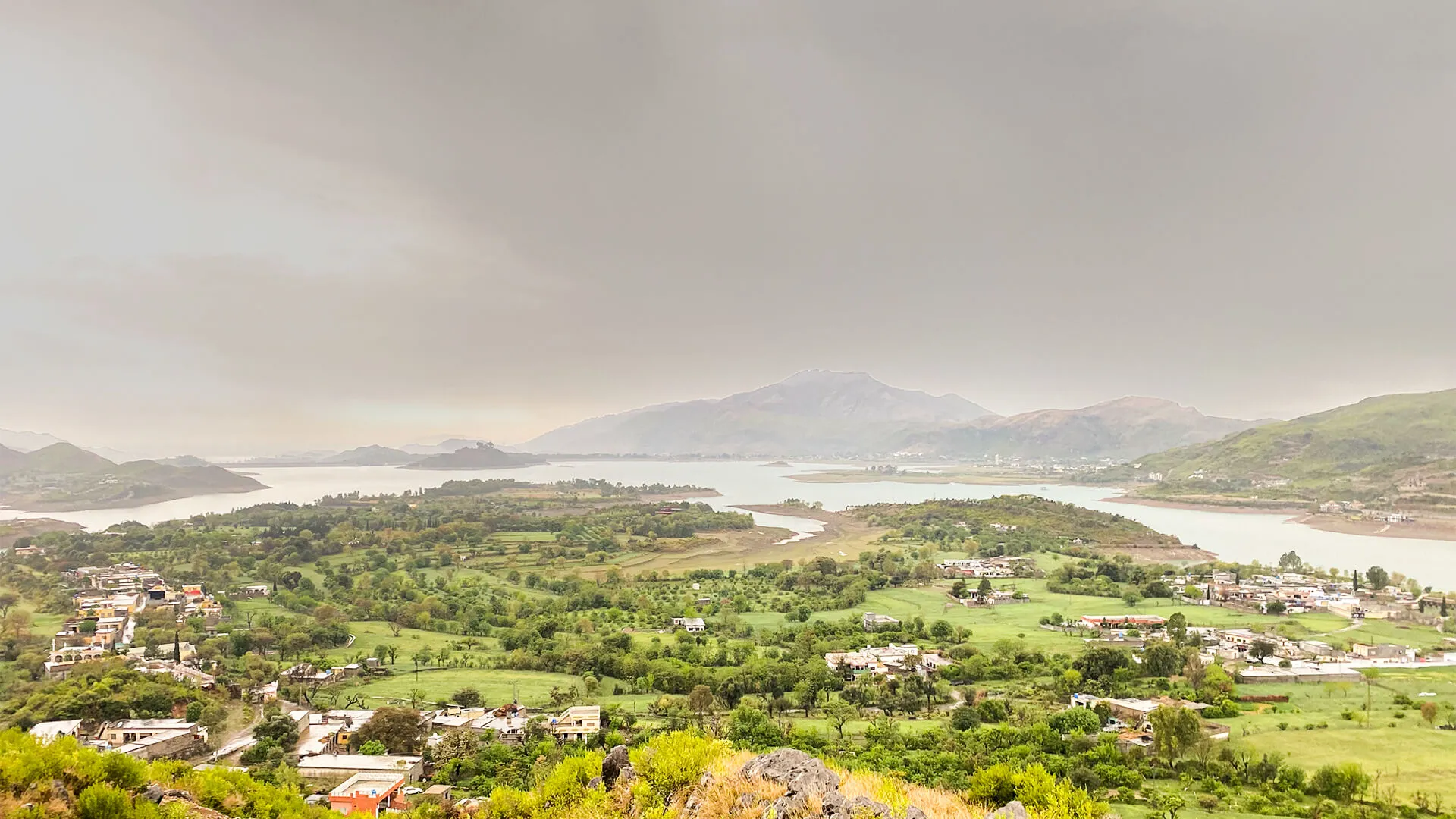
Lakeshore City sits at Khanpur Dam, a reservoir that supplies drinking water to Islamabad and Rawalpindi, so shoreline care carries real weight there. The project has three parts: Lakeshore Residencia, Lakeshore Farms and Lakeshore Club. The developer lists an education sector, hospitals and a cinema among planned facilities, and those remain plans until built. Nearby residents and prospective buyers can fairly ask two things: how many jobs and suppliers will come from the surrounding area, and how the plan protects the shoreline. The Khanpur–Taxila corridor also carries heritage interest, so any visitor economy there will need to protect heritage as well as water.
Conclusion
Tourism-led development pays off for a community when residents work in it, own parts of it and have a say in its limits. The five benefits above all follow from that one condition. If you are weighing a home or investment near Khanpur Dam, register your interest with the Lakeshore City team and ask for approval documents and a list marking each facility as built or planned. Walk the site before you decide.