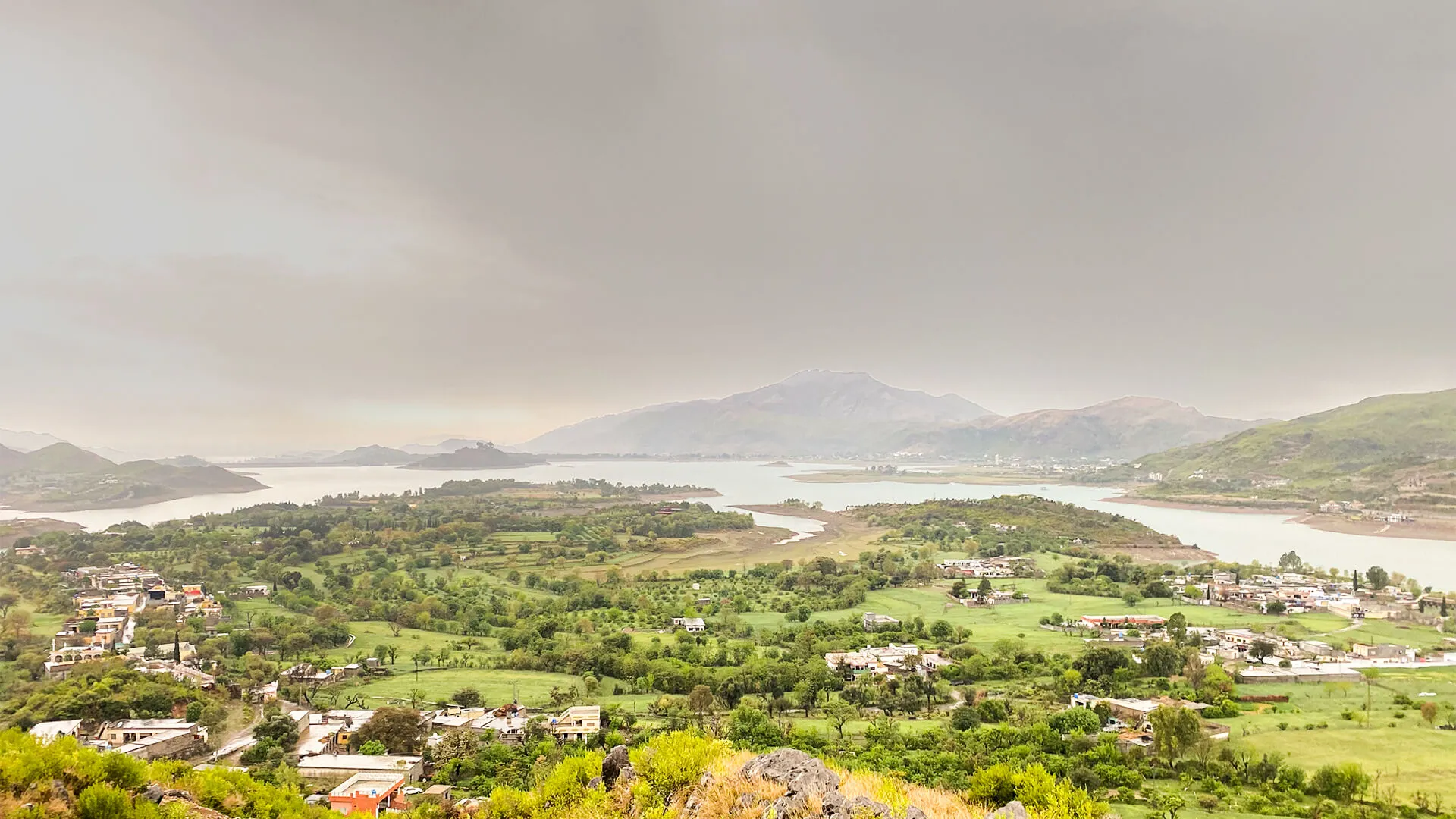
| Eco-tourism in Pakistan means travel that protects natural areas, keeps income with local people and teaches visitors about the place. Around Khanpur Dam in Haripur, that points to small-scale stays, regulated boating, working waste and wastewater systems, local hiring and village input on permits, so the lake keeps its appeal without wearing out. |
Khanpur Dam comes up quickly when you ask someone in Islamabad where they may find water on a free weekend. It is located in the Haripur area on the Haro River, about 45 to 55 kilometers from the city, and has long attracted day visitors. The easy part is the crowds. As those visitors increase, it becomes more difficult to maintain the lake, the shoreline, and the surrounding settlements. At that point, eco-tourism in Pakistan transforms from a catchphrase into a series of sensible choices.
What Eco-Tourism Actually Means
According to the International Ecotourism Society, eco-tourism is responsible travel to natural regions that preserves the environment, helps locals, and imparts knowledge to tourists. In the field, a straightforward examination is effective: does the location remain healthy, and do residents profit from it? A project is just regular tourism with a green label if it doesn’t pass either test. The same test is used on a bigger scale in Pakistan’s sustainable tourism industry.
Khanpur Tourism Potential
Khanpur Dam was completed in 1983 to supply drinking water to Islamabad and Rawalpindi, with irrigation water going to parts of Punjab and Khyber Pakhtunkhwa. Tourism came second. Visitors now boat, picnic and photograph the turquoise reservoir, and our weekend guide to Khanpur Dam from Islamabad covers routes, timing and safety. Haripur adds waterfalls, valleys and villages, which we describe in hidden natural attractions around Haripur. Taxila, with its UNESCO-listed Buddhist sites, sits on the way.
That mix of lake, countryside and heritage within about an hour of a major city is the real asset. It comes with a catch. The reservoir is a working water source first, and Dawn has reported low levels in dry spells, with tourist activity falling alongside. Any plan for Khanpur tourism has to respect that order of priority.
Sustainable Accommodation Near the Lake
Guest houses and small hotels in Khanpur town are about all that exists near the dam, and reviewers say quality varies. That gap is an opening. Small, locally owned homestays and low-rise lodges suit the terrain better than large blocks. The better ones stay well back from the shoreline.
Responsible Boating and Recreation
The restrictions are very important here because boating anchors the visit. People and water are protected by a daily cap on boats, agreed-upon tariffs and routes, and life jackets for each passenger. Near shore, motorboats and jet skis produce wake, noise, and fuel. Kayaks, paddle boats, and guided walks are much less disruptive. Fuel and engine washing should be kept away from a lake that supplies water to two communities.
Waste Management and Water Conservation
Weekend crowds produce rubbish faster than a small town can collect it. The fixes are unglamorous: bins placed before the shoreline and emptied on a schedule, a deposit on bottles, a ban on single-use plastic at vendor stalls, and public toilets connected to proper treatment. Press reports have flagged a shortage of toilets and basic facilities. Eateries and hotels beside a drinking-water reservoir should also treat their wastewater instead of letting it drain toward the bank.
Protecting Local Ecosystems
Shoreline vegetation holds soil and shelters wildlife. Marked paths, off-limits stretches of bank and quiet hours help it recover. Before any new development, qualified local ecologists should survey the birds, fish and plants so planners know what they are protecting.
Local Jobs and Entrepreneurship
Tourism money often leaves with the outside operator. Eco-tourism tries to keep it nearby: boat crews, trail guides, homestay hosts, food vendors, drivers and craft sellers. Training matters as much as hiring. First aid, lifeguard skills and basic hospitality turn seasonal work into a career. A villager guiding a walk through their own landscape explains it better than any brochure.
Sustainable Roads and Tourism Infrastructure
The Taxila-Haripur approach is paved, though it narrows and winds near the dam. A 2016 Express Tribune report described a provincial plan to develop 600 acres around the dam with boating, eateries and a new link toward Islamabad. The plan stalled. Promises like that come and go, so the useful question is what good infrastructure looks like: parking set back from the shore, drainage that does not run into the lake, clear signage, and shuttle options on peak weekends to thin out traffic.
Community Participation
Plans written without village input tend to stall. Khanpur residents know the seasons, the water and the trails. A community committee with a say in permits, a share of visitor fees and a voice in setting visitor limits gives people a reason to protect the place. Authorities and operators need residents at the table from the first draft.
Long-Term Economic and Environmental Benefits
A lake that stays clean keeps drawing visitors, and visitors who feel welcome come back. The likely payoffs are steadier local incomes, a better-protected water supply and lower cleanup costs. None of this happens automatically, and I have no Khanpur-specific visitor or income figures to offer, so treat these as outcomes to aim for rather than forecasts.
Lakeshore City sits at Khanpur Dam, so it has an obvious stake in the lake staying healthy. If you are thinking about spending more time here, visit in more than one season, ask what the water looked like in a dry year and read every document before you commit. Property values can fall as well as rise, and nothing here is a guarantee. When you want to talk it through, the team is reachable through the register now. If you are ready to proceed, the clients booking form sets out the booking steps.
Frequently Asked Questions
What is eco-tourism in Pakistan?
Eco-tourism in Pakistan is travel to natural areas that protects the environment, benefits local communities and gives visitors some education about the place. Lakes, valleys and mountain regions are the usual settings.
Can Khanpur Dam support eco-tourism?
Yes, with limits. The dam is a working water source for Islamabad and Rawalpindi, so tourism must stay small enough and clean enough not to harm the reservoir. Regulated boating, waste systems and local hiring make that workable.
How can visitors travel responsibly at Khanpur Dam?
Wear a life jacket, agree prices before boarding, carry all rubbish home, avoid single-use plastic, stay on marked paths and buy from local vendors.
What does sustainable tourism development look like around a reservoir?
It means small-scale lodging, wastewater treatment, parking set back from the shore, caps on boat numbers, trained local staff and a community voice in permits.
How does eco-tourism help local people?
It keeps more income nearby through guiding, homestays, food, transport and crafts, and it pays for training so seasonal jobs last longer.
What is the best time to visit Khanpur Dam?
Warm months bring the most water activity and the biggest crowds. Spring and autumn are milder, winter is quieter, and weekday mornings are calmer in any season.