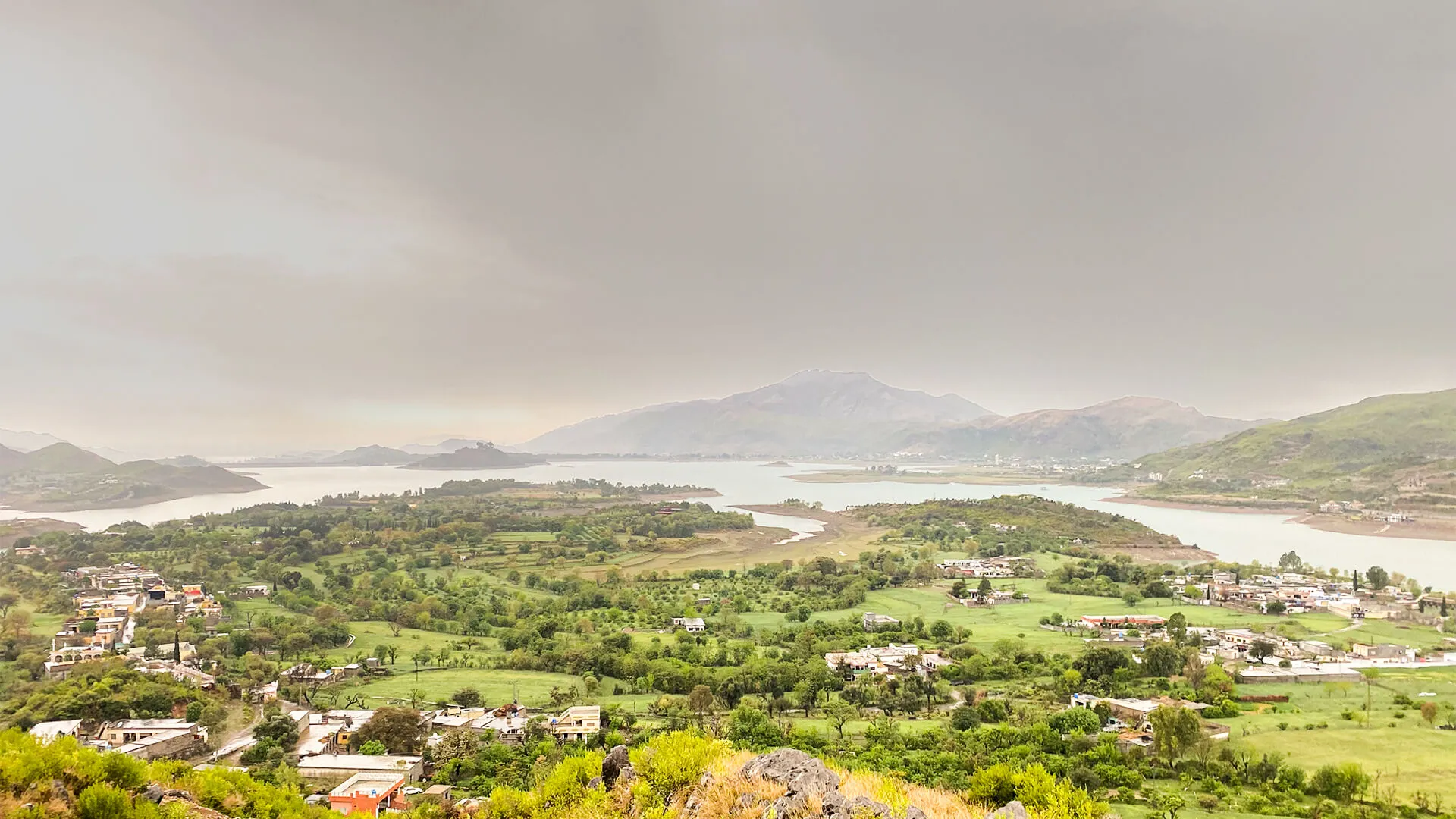
When a visitor spends a day at a lake, a heritage site, or a resort town, that spending rarely stays in one place. It moves through restaurants, transport services, guides, retailers, and eventually into wages and new construction. This is why tourism is one of the most reliable engines of local economic growth, and why regions with strong natural or cultural attractions, like the Khanpur Dam corridor near Islamabad, tend to see faster business formation and property demand than areas without them. Lakeshore City sits inside that corridor, and its growth mirrors a pattern seen in tourism-driven economies worldwide.
Why Is Tourism Important to Local Businesses? (Quick Answer)
Tourism is important to local businesses because it brings outside money into a local economy. Visitors pay for lodging, food, transport, and activities using income earned elsewhere, and that spending circulates through shops, service providers, and suppliers who would otherwise depend only on local demand. This inflow supports jobs, funds infrastructure upgrades, and increases the long-term value of nearby land and property.
How Tourism Creates Economic Growth for Local Businesses
More Visitors Mean More Direct Spending
Every overnight stay, meal, and guided activity is a transaction that puts cash into a local business’s hands. Restaurants, transport operators, and retail shops near tourist destinations typically see revenue rise in step with visitor numbers, since tourists spend on things residents already buy less frequently, such as souvenirs, boat rides, or specialty dining.
Tourism Creates Jobs Beyond the Hotel Front Desk
Hospitality is the most visible tourism job, but it is far from the only one. Construction crews build the resorts and roads, farmers supply restaurants, drivers run transport routes, and event staff manage weddings and conferences. A single new attraction or resort can create employment across several unrelated trades at once.
Small and Medium Businesses Benefit the Most
Large hotel chains capture some tourist spending, but small and medium enterprises (SMEs), cafes, boutique retailers, tour guides, and independent transport operators, often capture the rest. Because SMEs are usually locally owned, this spending is more likely to stay in the community rather than leave through corporate profit transfers.
Tourism Pushes Infrastructure Development
Roads, electricity, water supply, and telecom coverage tend to improve faster in areas that attract visitors, because both government bodies and private developers have a financial incentive to make destinations accessible. Better infrastructure then lowers the cost of doing business for everyone nearby, not just tourism operators.
Tourism Strengthens Real Estate Demand
As an area becomes a known destination, demand grows for second homes, rental properties, and commercial plots near the attraction. This is a well-documented pattern in lakeside and heritage tourism markets globally, though the pace and scale of that demand always depends on local execution, infrastructure delivery, and broader market conditions, and is never guaranteed.
The Tourism-to-Growth Cycle: A Practical Example
The relationship between tourism and economic growth generally follows a repeatable sequence:
- Tourism draws visitors to a destination with a natural, cultural, or recreational attraction.
- Visitors spend on lodging, food, transport, and activities.
- Local businesses, from restaurants to tour operators, capture that spending.
- Business growth creates direct and indirect employment in the area.
- Governments and developers invest in roads, utilities, and public infrastructure to support demand.
- Improved infrastructure and rising foot traffic increase demand for nearby property.
- Property and business activity together contribute to broader local economic growth.
This cycle explains why tourism boards and real estate developers increasingly plan attractions and residential or commercial developments together instead of treating them as separate projects.
How Lakeshore City Is Positioned in This Growth Story
Lakeshore City is located along the Khanpur Dam and Taxila corridor, an area already known for heritage tourism, lake recreation, and day-trip visitors from Islamabad and Rawalpindi. The project combines residential development with tourism-oriented amenities, an approach designed to capture both ends of the tourism-to-growth cycle described above.
The residential side of the project is offered through Lakeshore Residencia, with plot sizes ranging from 5 Marla to 1 Kanal, structured around installment-based payment plans intended to make ownership accessible without a large upfront cost.
On the recreation and hospitality side, Lakeshore Club provides membership tiers, along with amenities aimed at both residents and day visitors to the area, positioning the development to benefit from the same visitor spending that supports independent local businesses along the corridor.
As with any location tied to tourism activity, property demand and value can be influenced by visitor growth and infrastructure delivery, but neither is guaranteed. Prospective buyers and investors should treat any appreciation as a possibility shaped by broader market and execution factors, not a promised outcome, and should review current terms directly before making a decision.
Frequently Asked Questions
Why is tourism important to local businesses?
Tourism brings outside spending into a local economy through lodging, food, transport, and activities. That spending supports local shops, service providers, and jobs that might not exist without visitor demand.
How does tourism create jobs in a local economy?
Tourism creates direct jobs in hospitality and indirect jobs in construction, agriculture, transport, and events, since visitor demand touches many industries beyond hotels and restaurants.
Does tourism increase property values?
Tourism can increase demand for nearby property as infrastructure improves and an area becomes more accessible, but property value depends on many factors and is never guaranteed to rise.
What is the connection between tourism and real estate investment?
Tourism destinations often attract real estate investment because visitor traffic supports commercial activity and can justify new residential, rental, or hospitality development nearby.
How is Lakeshore City connected to tourism in the Khanpur Dam area?
Lakeshore City is located in the Khanpur Dam and Taxila corridor, an established heritage and lake tourism area, and combines residential plots through Lakeshore Residencia with recreational amenities through Lakeshore Club.
Can small businesses benefit from tourism development near their area?
Yes. Restaurants, transport operators, guides, and retail shops typically see the most direct benefit from tourism spending, since visitors frequently choose local and independent businesses over large chains.
Ready to Be Part of the Growth?
Tourism-driven growth works best when residents, businesses, and investors move early, before infrastructure and demand are fully priced in. If the Khanpur Dam corridor’s growth story fits your plans, the next step is simple.
You can register your interest in Lakeshore City to receive current project details and updates.
If you’re ready to move forward, submit a clients booking form to begin the plot or membership reservation process.
To explore residential plot options and installment plans, visit the Lakeshore Residencia page.
For details on club membership tiers and recreational amenities, see Lakeshore Club.