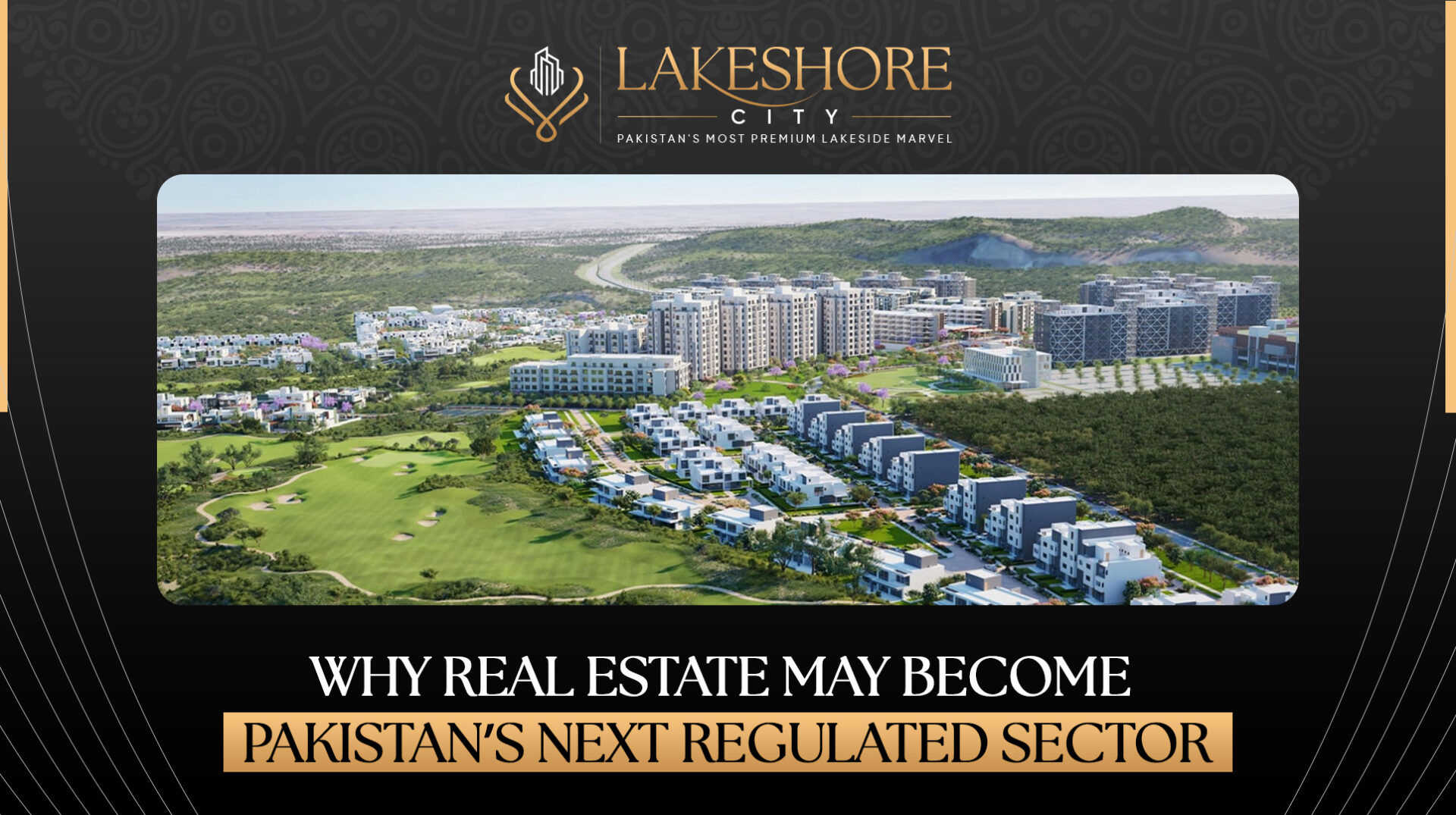
Real estate has always been a cornerstone of Pakistan’s economy. Remarkably, nearly 72% of the country’s wealth is tied to property, which highlights its importance not only as a place to live but also as a vehicle for financial security and wealth creation.
Over the past decade, the market has grown exponentially, fueled by urbanization, population growth, and rising demand for modern residential and commercial spaces. Experts predict that the real estate sector will continue to be one of the fastest-growing segments of Pakistan’s economy in the coming years.
Major Factors Fueling Real Estate Growth in Pakistan
Several key factors contribute to the enduring strength of Pakistan’s property market:
Rising Population & Housing Demand
Pakistan’s population continues to grow, with millions migrating to urban centers each year in search of employment and better living standards. This urban influx has resulted in a sharp increase in demand for residential and commercial properties. Consequently, investing in housing societies now ensures higher potential returns as demand is unlikely to slow down anytime soon.
Also Read: The Future of Installment-Based Housing After 2025’s Monetary Tightening
Government Incentives & Policies
The government has actively promoted real estate investment through favorable policies, tax breaks, and relief packages. Such measures make property a more secure and attractive option for both local investors and overseas Pakistanis seeking stable returns.
Mega Infrastructure Projects: CPEC
The China-Pakistan Economic Corridor (CPEC) is transforming the country’s economic and infrastructural landscape. With improved road networks, industrial hubs, and commercial corridors, real estate demand has surged along these routes. Investors are increasingly targeting societies located near highways and CPEC-connected zones for both residential and commercial purposes.
The Safe Investment Option
Compared to gold, stocks, or other volatile financial instruments, real estate offers a tangible and more predictable investment option. Land and property values tend to appreciate steadily, especially in planned communities, making it a reliable tool for wealth growth over time.
As a result, property investment is no longer merely about owning a home; it is a strategic financial decision with long-term benefits.
1. Infrastructure Expansion
Urban development projects, new highways, and better public transport are making previously remote areas accessible. Planned housing societies near these developments are likely to see significant appreciation in value, offering lucrative ROI for early investors.
2. Regulatory Improvements
Digitization of land records, standardized approvals, and stronger compliance enforcement are gradually making the property market more transparent. Such measures reduce legal risks, protect investors, and improve confidence in the sector.
3. Foreign & Overseas Investment
A significant portion of the real estate demand comes from overseas Pakistanis. With easier access to legal processes, digital documentation, and transparent developers, more overseas investors are entering the market, further boosting property values.
4. Affordable Housing & Payment Plans
Programs like the Naya Pakistan Housing Scheme and developer-led installment plans have made property ownership accessible to more people. Easy financing, lower booking amounts, and structured monthly payments allow even middle-income buyers to invest confidently while generating long-term wealth.
Collectively, these factors create a favorable environment for investors and homebuyers alike, especially in premium locations offering lifestyle benefits.
Impact of CPEC on Pakistan’s Real Estate Market
The China-Pakistan Economic Corridor has emerged as a transformative force. It not only improves connectivity between cities but also creates new employment and commercial opportunities, fueling real estate demand in both residential and commercial sectors.
- Urban Expansion: Cities along CPEC routes are expanding rapidly, providing growth opportunities for newly developed housing societies.
- Higher Property Appreciation: Societies near highways, industrial zones, and economic hubs tend to see faster property value increases.
- Increased Investor Confidence: Both local and overseas investors are now more willing to invest due to the improved infrastructure and long-term growth potential.
Therefore, well-planned societies combining scenic beauty, modern amenities, and structured payment options are becoming the most sought-after investment choices.
The Role of Regulation in Real Estate
Pakistan’s property market is gradually transitioning toward a regulated environment, which is essential for long-term stability. Key regulatory improvements include:
- Clear approvals for developers and projects
- Digitization of land records and property mapping
- Standardized legal procedures for buying and selling property
Consequently, investors gain confidence, property values stabilize, and the market becomes more transparent. Regulation ensures that both buyers and developers operate within a secure legal framework, minimizing risks of fraud or disputes.
Conclusion
The future of real estate in Pakistan looks promising. With rising demand, regulatory improvements, mega infrastructure projects, and affordable payment options, now is the ideal time to invest. Societies that combine strategic location, natural beauty, and modern amenities, such as Lakeshore City near Khanpur Dam, offer not just homes but also strong ROI potential.
By choosing verified, well-planned projects with transparent payment plans, investors can secure financial growth while enjoying lifestyle benefits. Real estate is not just property; it’s a pathway to long-term wealth creation in Pakistan.
FAQs
1. Why is now a good time to invest in Pakistan’s real estate?
With a rising population, infrastructure projects like CPEC, and favorable government policies, property values are expected to grow steadily.
2. How does regulation benefit property investors?
Regulation ensures transparency, protects land rights, stabilizes prices, and reduces legal risks, making investments safer.
3. Are installment plans available for affordable investment?
Yes. Many societies offer low booking amounts and structured monthly installments, making property ownership accessible.
4. How does CPEC influence property prices?
CPEC improves connectivity, boosts employment, and encourages urban expansion, resulting in higher property demand and appreciation.
5. What factors should be considered when choosing a property?
Location, developer credibility, amenities, payment plans, and resale potential are key factors for successful investment.