Pakistan and China share a friendship rooted in history, trust, and cultural respect. Over time, this relationship has grown beyond trade and diplomacy and has entered the space of cultural exchange. Today, heritage, tourism, and people-to-people connections are playing a stronger role in strengthening Pakistan-China cultural cooperation. As this bond deepens, locations near historical and cultural routes are gaining new importance, and Lakeshore City is emerging as one such strategic location.
Situated close to Taxila’s ancient heritage belt and the Khanpur–Haripur region, Lakeshore City stands at the crossroads of culture, tourism, and modern connectivity. Because of this unique position, it has the potential to support cultural exchange while offering a modern lifestyle and long-term investment value.
In this blog, we explore how cultural links between Pakistan and China are evolving, how ancient heritage supports modern diplomacy, and how Lakeshore City is becoming a symbol of shared history, connectivity, and future collaboration.
Shared Roots Through Silk Road Cultural Heritage in Pakistan
The ancient Silk Road passed through northern Pakistan, connecting South Asia with China and Central Asia. This route was not only used for trade but also for cultural and religious exchange. Buddhist monks, scholars, and travelers moved along these paths, spreading ideas, art, and knowledge. As a result, regions near Taxila became major centers of learning and spirituality.
Also read: How Gandhara’s Buddhist Legacy Is Reviving Cultural Tourism Near Lakeshore City
Because Lakeshore City is located near this historic corridor, it naturally aligns with the legacy of the Silk Road. Even today, Chinese scholars and tourists visit nearby heritage sites to reconnect with this shared past. Therefore, Silk Road cultural heritage in Pakistan continues to form the foundation of modern cultural diplomacy, with Lakeshore City positioned close to where history and movement once converged.
China-Pakistan Cultural Exchange Through Tourism
Tourism plays a key role in China-Pakistan cultural exchange. Chinese visitors frequently explore Buddhist sites in Taxila, Gandhara-era monasteries, and heritage centers across the region. These visits are often part of organized pilgrimages, academic tours, or cultural delegations.
As this tourism grows, Lakeshore City benefits from its proximity to these routes. Visitors need peaceful places to stay, rest, and connect with nature after heritage exploration. This increases demand for hospitality services, residential spaces, and commercial facilities nearby. Therefore, Lakeshore City has the potential to serve as a comfortable base for cultural tourists, supporting Pakistan-China tourism collaboration practically.
Cultural Diplomacy and the Role of Modern Communities
Cultural diplomacy between Pakistan and China is no longer limited to official meetings. It is now visible in academic exchanges, heritage preservation, tourism projects, and people-to-people interaction. Modern communities near cultural landmarks play an important supporting role in this process.
When international visitors experience organized living spaces, scenic surroundings, and peaceful environments, it strengthens the global image of the region. In this context, Lakeshore City contributes by offering a setting where culture, nature, and modern living coexist. Such communities provide spaces for dialogue, cultural visits, and long stays, making diplomacy more human and accessible.
CPEC Cultural Cooperation and Regional Development
CPEC has strengthened economic ties between Pakistan and China, but it has also encouraged cultural cooperation. Infrastructure development has improved access to historical and tourist sites, while new routes are supporting both trade and travel. Because of this, regions near cultural corridors are seeing steady growth.
Lakeshore City benefits directly from this broader development vision. Improved connectivity, flexible access routes, and growing movement toward the Khanpur–Haripur belt enhance its strategic value.
Moreover, affordable housing options, easy installment plans, and scenic surroundings make it attractive to both local and overseas buyers. For example, a 5 marla plot can be booked for only 25,000 PKR with no down payment and no confirmation charges, and the amount is adjusted into the first installment.
A Lifestyle Shaped by Culture, Nature, and Connectivity
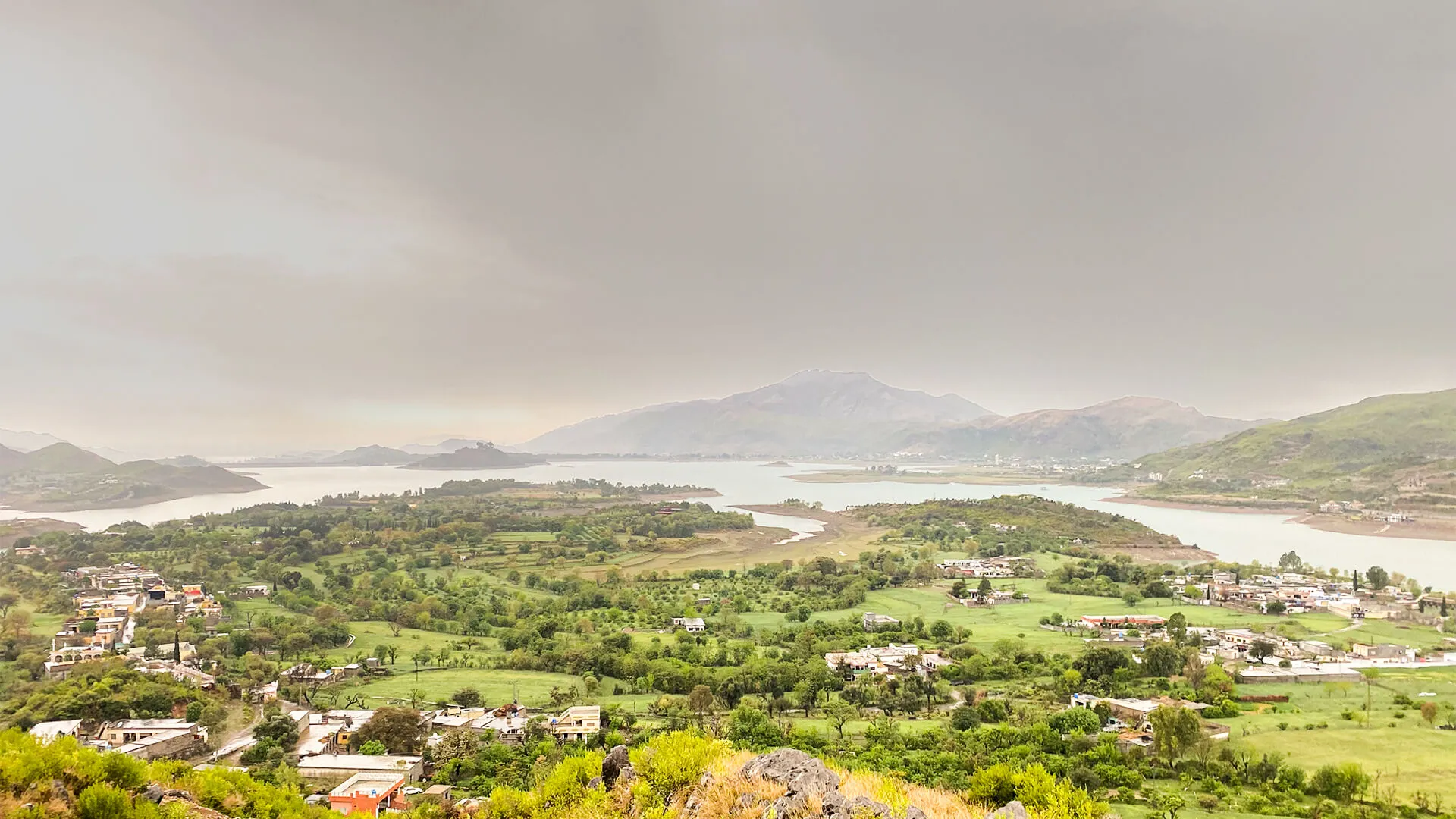
Surrounded by majestic mountains and a beautiful dam view, the area offers a calm and meaningful lifestyle. Residents of Lakeshore City live close to history while enjoying modern facilities. Moreover, the availability of apartments under Lakeshore Residencia, commercial areas, and farmhouse options under Lakeshore Farms creates multiple choices for families, investors, and hospitality developers.
Because of its location near heritage routes, tourism zones, and developing connectivity projects, Lakeshore City naturally supports cross-cultural interaction. Over time, this lifestyle reflects a balance between tradition and progress.
Lakeshore City and the Pakistan-China Cultural Connection
Located near important heritage corridors and emerging travel routes, Lakeshore City directly benefits from Pakistan-China cultural exchange and tourism movement. As Chinese interest in Buddhist heritage continues to grow, areas close to these sites gain long-term relevance.
This positions Lakeshore City not only as a real estate opportunity, but as a living cultural bridge, a place where shared history, tourism, trade movement, and modern development meet.
Conclusion
Pakistan and China share a deep cultural bond shaped by history, heritage, and mutual respect. As tourism, heritage preservation, and cultural diplomacy expand, regions near ancient routes are becoming more important than ever. With scenic surroundings, affordable plans, and proximity to cultural landmarks and connectivity routes, Lakeshore City stands as a symbol of Pakistan-China friendship and a promising destination for future-focused investors.
FAQs
Why is Pakistan important for Chinese cultural tourism?
Pakistan is home to key Buddhist heritage sites linked to ancient Chinese monks and scholars. Chinese tourists visit to explore the Gandhara civilization and the Silk Road history, strengthening cultural and academic ties.
How does cultural diplomacy benefit local communities?
Cultural diplomacy increases tourism, global recognition, and economic activity. Local communities benefit through business growth, improved infrastructure, and rising property value.
What role does CPEC play in cultural cooperation?
CPEC improves connectivity and access to heritage regions. It also supports tourism and cultural exchange, making regional development more balanced and sustainable.
Are there affordable investment options in this region?
Yes. Buyers can book a 5 marla plot for only 25,000 PKR with no down payment or confirmation charges. The amount is adjusted in the first installment.
How does tourism impact real estate near heritage sites?
Tourism increases demand for housing, rentals, hotels, and commercial services. As visitor numbers grow, property value rises steadily over time.
Why is Lakeshore City seen as a cultural bridge?
Because it sits near Buddhist heritage routes, tourism zones, and emerging connectivity corridors, it naturally links ancient Silk Road history with modern Pakistan-China collaboration.