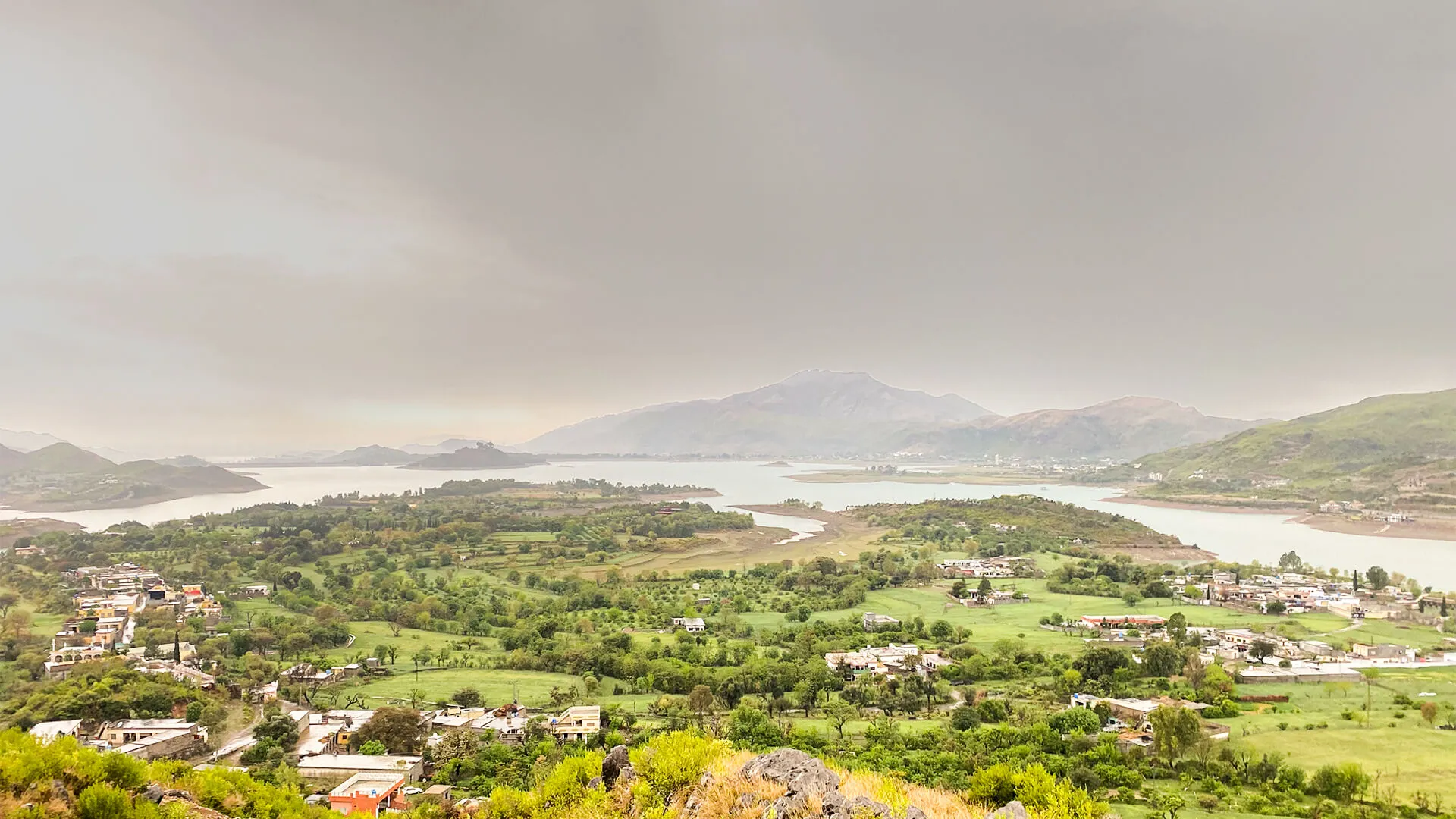
With its deep blue waters, surrounding hills, and open natural landscapes, Khanpur Dam has become one of northern Pakistan’s most visited destinations. What was once known mainly for weekend picnics and water sports is now drawing consistent attention from families, photographers, and eco-tourism travelers seeking calm escapes close to Islamabad.
As visitor numbers grow, the area’s appeal is no longer limited to tourism alone. Increased foot traffic, improved access routes, and rising demand for nearby accommodations are reshaping land values around the dam. This is where tourism-driven real estate in Pakistan begins to take shape. Plots near Khanpur Dam are increasingly viewed as long-term assets, offering scenic value, accessibility, and steady property appreciation rather than short-term market swings.
Why Tourism Is a Strong Driver of Plot Demand?
Tourism creates repeat footfall, visibility, and supporting infrastructure. Over time, these factors influence how land is used and valued.
Key effects of tourism on nearby plots include:
- Consistent demand for short stays and weekend homes
- Improved access roads and local services
- Higher interest in scenic and eco-friendly locations
As a result, Khanpur Dam plots are being considered for both lifestyle use and investment planning.
Eco-Tourism and Family-Friendly Investment
Eco-tourism is no longer just about travel experiences. It is actively reshaping where families and investors choose to place long-term value. Areas that offer nature, calm surroundings, and low-impact development are attracting visitors who stay longer and return more often, rather than passing through quickly.
This shift creates a different kind of real estate demand. Families prefer locations that feel safe, planned, and suitable for future living, not just short-term stays. As a result, eco-tourism corridors encourage:
- Longer and repeated visits instead of one-day trips
- Demand for planned, family-oriented communities
- Interest in plots that can later support residential use
Because of this pattern, family-friendly investment in Pakistan is increasingly moving away from dense urban zones and toward nature-linked regions where tourism supports steady demand and long-term relevance rather than seasonal spikes.
Lakeshore City and Tourism-Linked Investment Context
Not every project near a tourist destination benefits equally from tourism. The real advantage appears where location, planning, and long-term usability come together. Lakeshore City stands out in this regard because it is not built for tourism, but planned alongside it.
Located near Khanpur Dam, the project sits within a zone that attracts year-round visitors, weekend travelers, and nature-focused families. This steady movement keeps the surrounding area active without relying on seasonal spikes. Over time, this pattern supports:
- Continuous relevance rather than temporary demand
- Gradual and more predictable property appreciation in Pakistan
- Reduced exposure to short-term market fluctuations
For investors assessing Lakeshore City investment, tourism functions as a long-term stabilizer. Instead of driving quick speculation, it reinforces sustained interest, making the area more suitable for patient, value-focused investment planning.
Scenic Plots Near Islamabad and ROI Potential
Scenic plots close to Islamabad are increasingly limited, especially those connected to water and hills. As tourism activity expands around Khanpur Dam, demand for such locations continues to rise. This combination of scarcity and visibility supports long-term value rather than short-lived interest.
Also Read: Lakeshore City for Families: Combining Peaceful Living, Scenic Nature, and Investment
In this context, Lakeshore City offers plots that benefit directly from their surroundings and accessibility. The area reflects many of the advantages investors look for, including:
- Visual appeal is shaped by water views and surrounding hills
- Easy access for weekend use and family visits
- Long-term relevance as urban density increases elsewhere
Because of these factors, areas around Khanpur Dam are increasingly viewed as part of a growing investment corridor. Rather than standing alone as leisure destinations, they are becoming connected zones where scenic value and real estate potential reinforce each other over time.
Installment Plans and Access for Small Investors
One of the biggest barriers to real estate investment is not interest, but timing. Flexible installment plans reduce this barrier by allowing investors to enter high-potential locations without heavy upfront pressure. As tourism-driven areas develop gradually, installment-based ownership aligns naturally with long-term growth.
This approach is visible in Lakeshore City, where investors can begin ownership through residential plot installments rather than one-time payments. For example, entry into residential plots is structured through small booking amounts, such as PKR 25,000 for a 5 marla plot, adjusted into the first installment. Such structures create real access by:
- Allowing first-time buyers to enter emerging zones early
- Enabling overseas investors to plan ownership remotely and patiently
- Helping families align investment decisions with long-term financial goals
As tourism around Khanpur Dam continues to mature, installment plans play a critical role in widening participation. Instead of favoring only large investors, they allow smaller buyers to grow alongside the area, benefiting from development and appreciation without immediate financial strain.
Conclusion
Tourism around Khanpur Dam is no longer limited to recreation. It is actively influencing how land is valued, developed, and held over time. The area’s natural beauty, year-round visitor movement, and eco-tourism appeal are creating steady demand for nearby plots rather than short-term interest driven by speculation.
As discussed, scenic locations near Islamabad benefit from scarcity, accessibility, and long-term relevance. When these factors are supported by planned development and flexible ownership options, investment potential becomes more stable and inclusive. In this context, Lakeshore City reflects how tourism-linked regions can support gradual property appreciation, family-friendly use, and participation by both local and overseas investors.
Overall, the Khanpur Dam corridor demonstrates how tourism can translate into sustainable plot investment opportunities grounded in planning, environment, and long-term demand.
FAQs
How does tourism near Khanpur Dam affect plot prices?
Tourism near Khanpur Dam supports steady plot price growth by creating ongoing visitor activity in the area. As tourism increases, access roads, local services, and connectivity tend to improve. This raises land demand gradually, leading to stable appreciation rather than sudden price spikes.
Are family-friendly communities benefiting from tourism growth?
Yes, family-friendly communities often benefit as tourism brings better planning and infrastructure. Families prefer calm, well-organized environments close to leisure destinations. This creates steady residential demand instead of short-term occupancy. As a result, such communities remain relevant for long-term living and investment.
Is Lakeshore City ideal for tourist-driven investment?
Lakeshore City benefits from its proximity to Khanpur Dam and its planned development approach. Tourism supports year-round relevance rather than seasonal demand. Because the project focuses on structured layouts and long-term usability, it aligns well with gradual, tourism-driven investment growth.
Can overseas investors take advantage of tourism-linked plots?
Overseas investors often prefer tourism-linked locations because demand remains consistent over time. Planned societies near tourist areas allow investors to plan remotely without relying on quick resale. This makes long-term asset holding more practical for overseas Pakistanis.
Which areas have the highest ROI due to tourism?
Areas near major natural attractions with reliable road access and planned development tend to perform better. Locations around Khanpur Dam combine scenic value with growing visitor activity. This balance supports a stronger long-term ROI compared to isolated or unplanned tourist spots.
Are installment plans helpful for small investors?
Yes, installment plans reduce the burden of large upfront payments. They allow small investors to enter high-potential areas gradually as development progresses. This makes tourism-linked plot investment more accessible and aligned with long-term financial planning.