
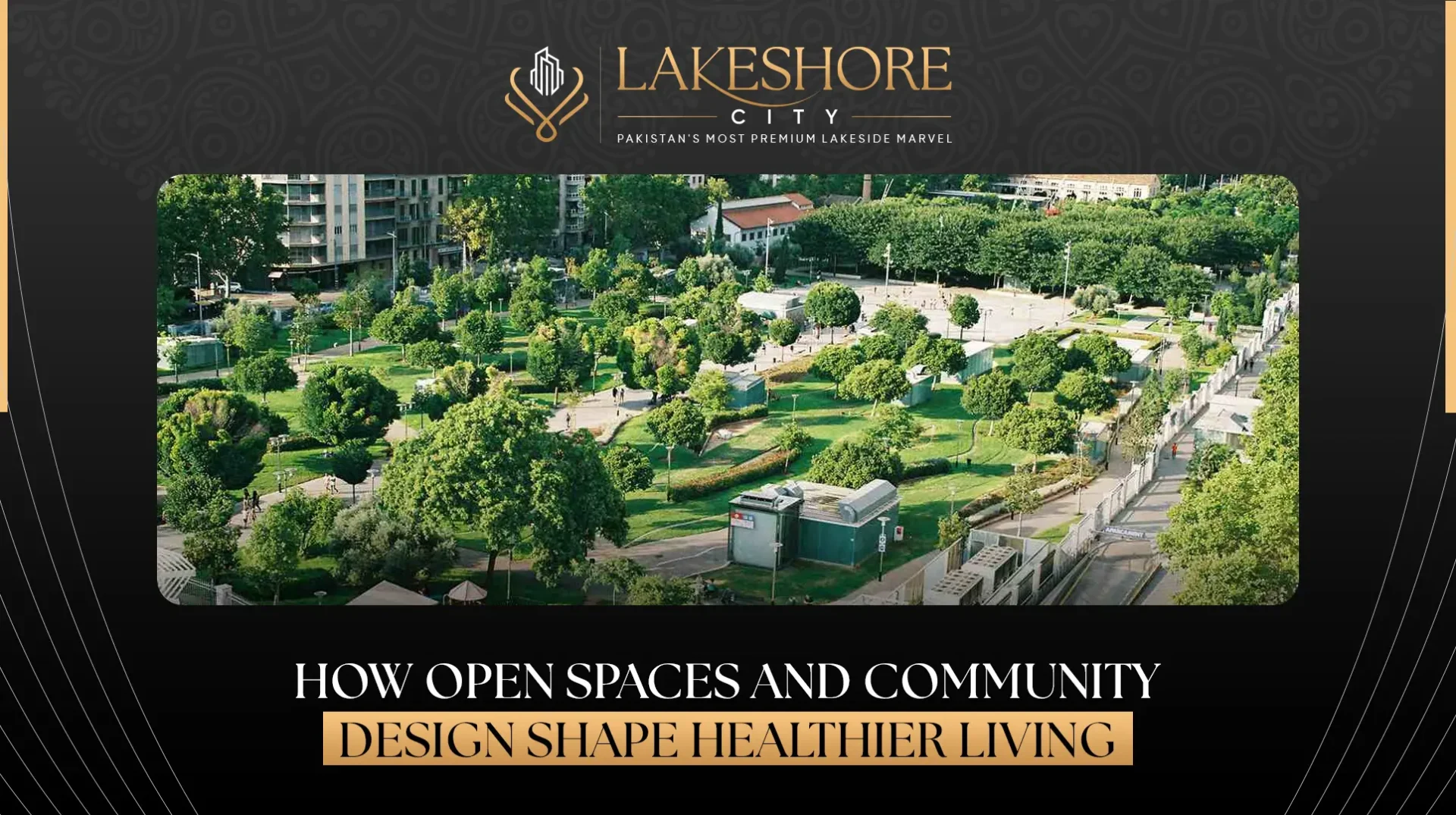
The way a community is planned has a direct impact on how people live, move, and interact. In recent years, the importance of open spaces and community design has become more visible, especially as urban areas grow denser and more crowded.
Well-designed communities are not just about buildings. They include green areas, walkable spaces, and organized layouts that support both physical and mental well-being.
Role of Open Spaces in Daily Life
Open spaces such as parks, green belts, and walking areas provide room for movement and relaxation. They allow residents to spend more time outdoors, which helps reduce stress and improve overall mood.
Access to these spaces also encourages healthier habits. People are more likely to walk, exercise, or spend time with family when safe and accessible outdoor areas are part of their surroundings.
Also Read: How Living Near Water and Open Spaces Improves Quality of Life
Community Design and Social Interaction
Good community design supports interaction between residents. When spaces are planned with parks, common areas, and pedestrian pathways, people naturally engage more with their surroundings and neighbors.
This creates a sense of belonging and improves social well-being. In contrast, poorly planned areas often lead to isolation and limited community interaction.
Impact on Physical and Mental Health
Living in a well-planned environment can influence daily routines in a positive way. Cleaner air, reduced noise, and access to open spaces contribute to better physical health.
At the same time, natural surroundings and organized layouts help reduce mental fatigue. A balanced environment supports both active living and mental relaxation.
Growing Focus on Planned Communities
As awareness of healthier living increases, more developments are focusing on structured layouts with open spaces and organized planning. In areas near natural landscapes, some projects combine these elements to create a more balanced environment.
For example, developments such as Lakeshore City integrate open spaces, community planning, and natural surroundings to support both lifestyle comfort and long-term livability.
Conclusion
Open spaces and thoughtful community design play a key role in creating healthier living environments. By supporting physical activity, social interaction, and mental well-being, well-planned communities offer a more balanced and sustainable way of living.
FAQs
Why are open spaces important in community design?
Open spaces are important in community design because they provide areas for physical activity, relaxation, and social interaction. These spaces help improve mental well-being, reduce stress, and create a healthier living environment for residents.
How does community design affect quality of life?
Community design affects quality of life by shaping how people move, interact, and live daily. Well-planned communities offer better accessibility, cleaner environments, and organized spaces that support both comfort and long-term well-being.
Do green spaces improve mental health?
Yes, green spaces can improve mental health by creating a calming environment that helps reduce stress and anxiety. Access to natural surroundings also supports better mood and overall emotional well-being.
Are planned communities better for families?
Planned communities are often better for families because they include parks, safe walkways, and essential facilities. These features create a more secure, organized, and comfortable environment for daily living.
What makes a community well-designed?
A community is considered well-designed when it includes open spaces, proper infrastructure, accessibility, and a layout that supports both residential comfort and social interaction. These elements contribute to long-term livability and stability.