Tourism has always influenced real estate, but in Pakistan, heritage tourism is becoming a major driver of long-term property value. The connection between Taxila’s historical significance and nearby regions like Khanpur Dam is creating new opportunities for investors and developers.
Understanding the taxila tourism impact on real estate helps explain why areas near heritage and tourism zones are gaining attention in Pakistan’s evolving property market. As demand shifts toward experience-based locations, real estate linked with tourism is becoming more strategically important.
The Growing Importance of Heritage Tourism in Pakistan
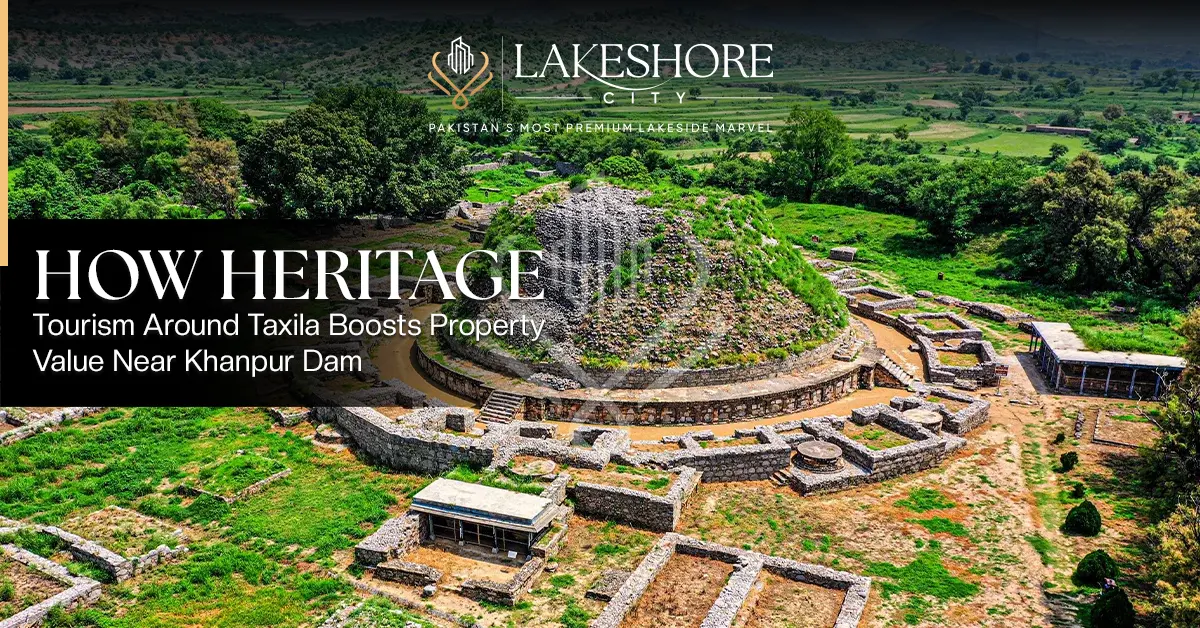
Pakistan is home to globally recognized historical sites, and Taxila remains one of the most significant. As a UNESCO-recognized heritage location, it attracts researchers, tourists, and cultural visitors throughout the year.
Also Read: What Makes a Housing Society “Future-Proof” in Pakistan?
This growing activity is shaping heritage tourism pakistan real estate trends, where surrounding regions benefit from increased visibility, improved infrastructure, and economic activity. Tourism not only brings visitors, but it also creates demand for services such as accommodation, retail, and local businesses. This directly impacts nearby property markets.
How Taxila Influences Nearby Real Estate Markets
The impact of Taxila is not limited to its immediate location. Nearby areas, including Khanpur Dam, are experiencing gradual real estate growth due to tourism spillover.
The taxila tourism impact on real estate can be observed through:
- Increased demand for short-term rentals and guest houses
- Growth of small businesses and hospitality services
- Rising interest in residential plots along tourism corridors
As tourism activity becomes more consistent, these areas begin to attract both investors and end-users.
Khanpur Dam: A Tourism and Investment Link
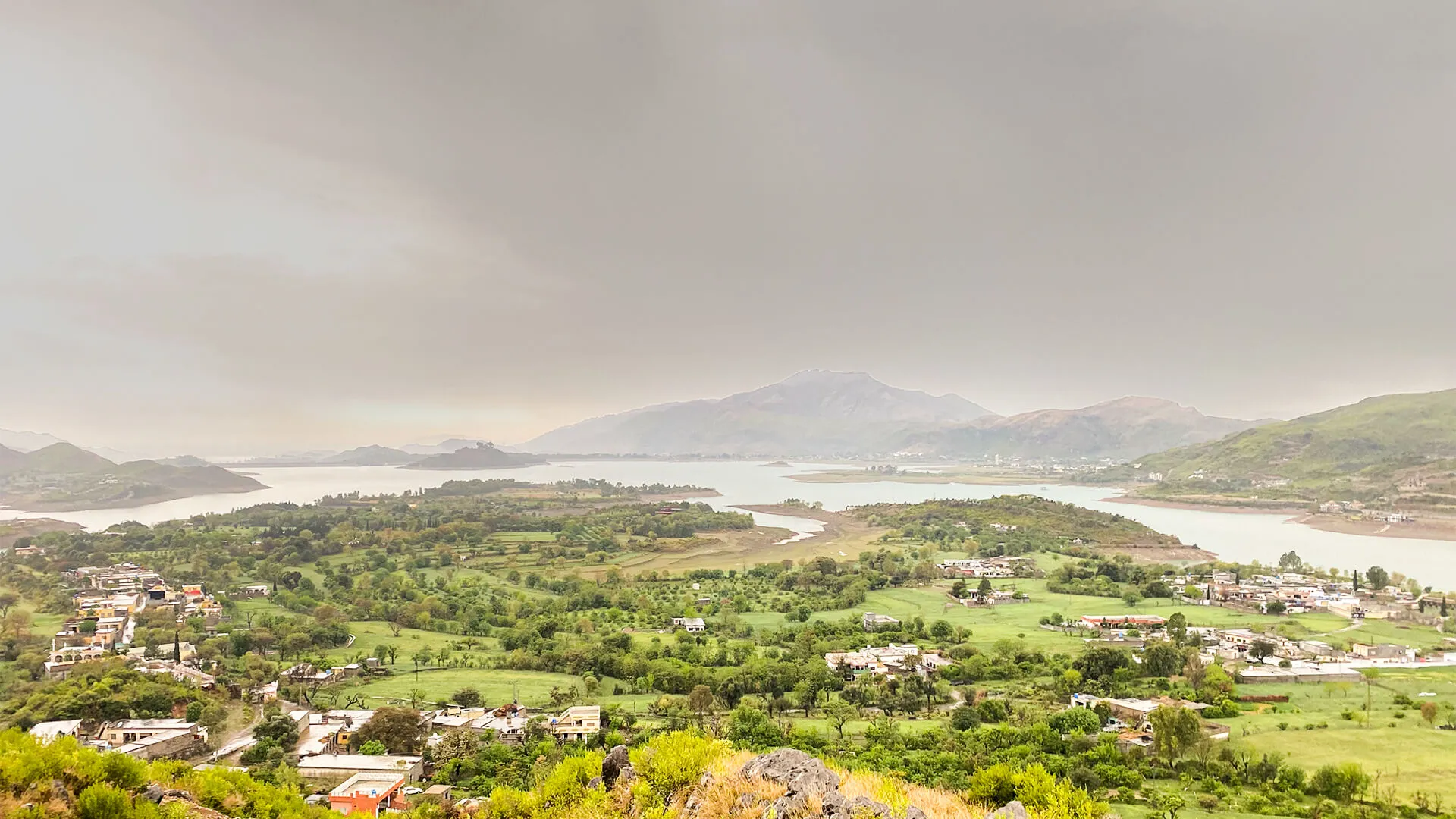
Khanpur Dam has already developed into a major destination for recreational tourism, including water sports and outdoor activities. When combined with the cultural attraction of Taxila, the region becomes more dynamic from an investment perspective.
The idea of khanpur dam tourism investment is based on this combined demand. Visitors attracted by both leisure and heritage experiences create a broader and more stable real estate market. This dual tourism model supports long-term value growth rather than short-term speculation.
Property Demand Near Heritage and Tourism Zones
Real estate near tourism and heritage sites behaves differently compared to traditional city markets.
The demand for property near heritage sites pakistan is often driven by multiple factors. These include tourism-based businesses, rental opportunities, and long-term residential interest in scenic environments.
Unlike purely speculative markets, these areas tend to develop demand gradually, supported by real activity rather than short-term price fluctuations.
Infrastructure Development as a Supporting Factor
Tourism alone is not enough to drive property value. Infrastructure is the key factor that converts tourism interest into sustainable growth.
In regions around Taxila and Khanpur Dam, improving road connectivity, better access to Islamabad, and the development of planned housing projects are strengthening investment potential.
This is why experienced investors often focus on on-ground development and accessibility rather than relying only on projected plans. As infrastructure improves, demand becomes more stable and predictable.
Long-Term Investment Perspective
The relationship between tourism and real estate develops over time.
Investors exploring heritage tourism pakistan real estate opportunities should understand that value growth is gradual. It depends on consistent tourism activity, infrastructure expansion, and increasing settlement.
In the context of long term property investment pakistan, areas connected to both heritage and recreational tourism often perform better because they are supported by multiple demand drivers.
Real Example of Emerging Development Patterns
Modern housing developments near Khanpur Dam are increasingly planned with both tourism and residential demand in mind.
For example, projects such as Lakeshore City reflect this shift by integrating residential living with tourism accessibility, infrastructure planning, and lifestyle-focused development. These types of projects demonstrate how real estate near heritage and tourism zones is evolving into structured investment opportunities rather than unplanned growth.
Conclusion
The connection between Taxila’s heritage tourism and the growth of nearby areas like Khanpur Dam highlights a broader transformation in Pakistan’s property market.
The taxila tourism impact on real estate is creating long-term demand that extends beyond historical sites. Combined with infrastructure development and improved accessibility, this trend is shaping new investment corridors in the region.
For investors, this means that property near heritage and tourism-linked locations can offer sustainable long-term value when supported by planning, development, and consistent demand. This shift reflects how tourism is becoming a long-term economic driver, not just a short-term activity.
FAQs
How does Taxila tourism impact real estate near Khanpur Dam?
Taxila tourism increases visitor traffic and regional visibility, which creates demand for accommodation, businesses, and residential property near Khanpur Dam, gradually boosting real estate value.
Is property near heritage sites in Pakistan a good investment?
Yes, property near heritage sites in Pakistan can be a good investment because tourism creates consistent demand for rentals, commercial activity, and long-term residential use.
Why is Khanpur Dam considered a strong tourism investment location?
Khanpur Dam is considered a strong tourism investment location because it attracts recreational visitors and benefits from nearby heritage tourism, creating multiple sources of demand for property.
Does heritage tourism increase property value in Pakistan?
Yes, heritage tourism in Pakistan can increase property value over time when supported by infrastructure development, accessibility, and consistent visitor activity.
What should you check before investing in property near tourist areas?
Before investing, buyers should check legal approvals, infrastructure development, accessibility, and long-term tourism demand to ensure a safer and more stable investment.