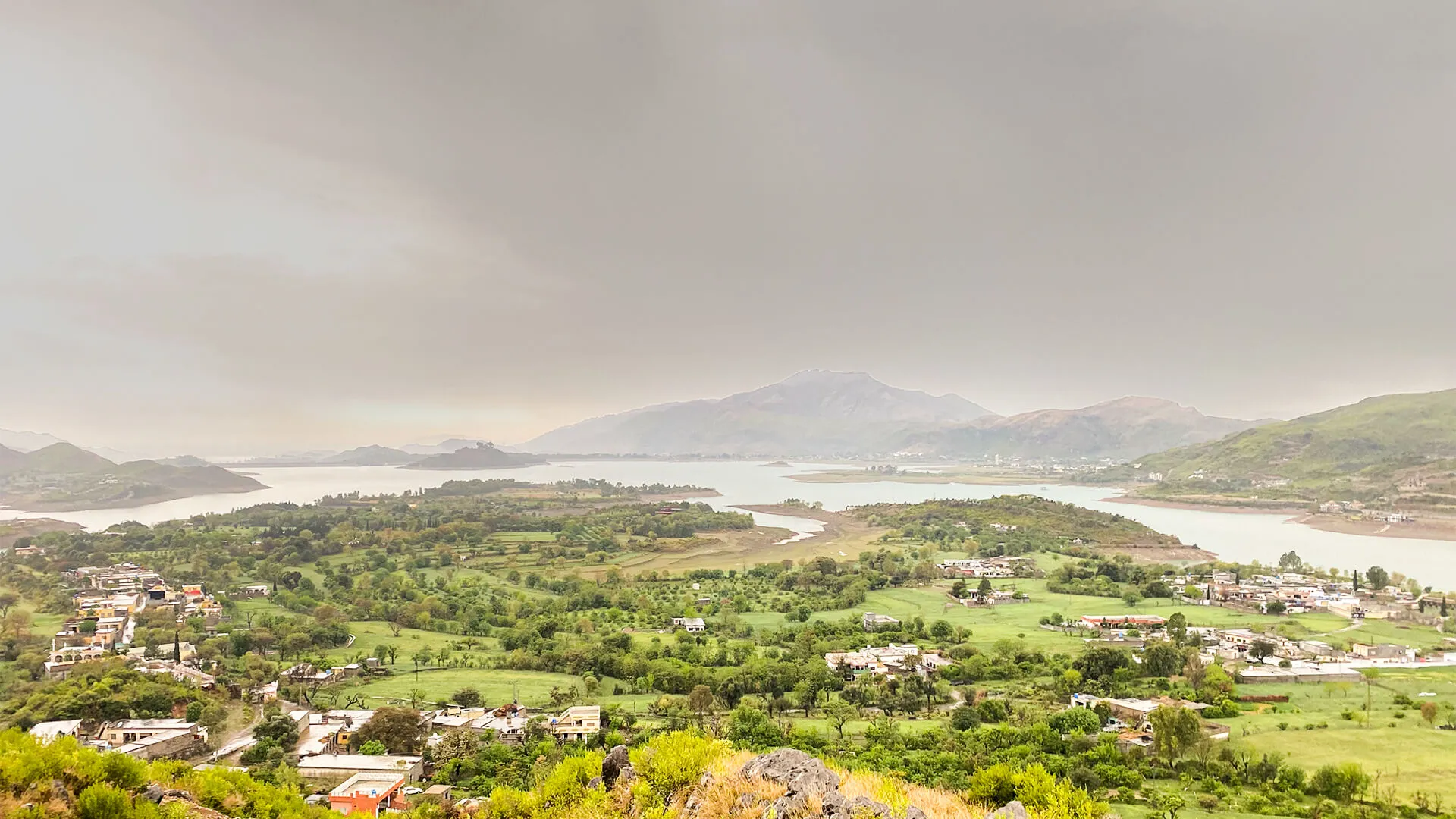
Eco-tourism in Pakistan is gradually reshaping how land and property are valued. Instead of short-lived recreational visits, nature-focused destinations are now attracting consistent interest from families, researchers, and overseas visitors. This shift is especially visible around Khanpur Dam, where scenic landscapes, water-based activities, and improved access routes have created year-round visitor movement rather than seasonal spikes.
As a result, Khanpur Dam tourism is influencing how nearby land is used and planned. Areas surrounding the lake are being viewed through a long-term investment lens because eco-tourism supports steady relevance. Unlike dense urban expansion, real estate near natural landmarks benefits from environmental appeal, controlled development, and continuous footfall.
This positions the Khanpur region as a place where lifestyle value and investment logic grow together. Planned developments such as Lakeshore City reflect how eco-tourism and structured residential planning align in the area.
The Rise of Eco-Tourism in Pakistan
Eco-tourism focuses on natural environments, outdoor experiences, and sustainable travel. In Pakistan, this segment is expanding as people seek destinations that offer calm surroundings and meaningful experiences. Lakes, hills, and protected landscapes are becoming focal points for this growth.
Also Read: Exploring Taxila’s Buddhist Heritage: Investment Opportunities Near Historical Sites
Around Khanpur Dam, eco-tourism includes boating, hiking, photography, and educational visits. Because these activities occur throughout the year, the region maintains steady visibility. This consistency strengthens eco-tourism in Pakistan as a driver of long-term land demand rather than short-term tourism trends.
How Eco-Tourism Influences Real Estate Demand?
Eco-tourism affects real estate differently from conventional tourism. Visitors often stay longer, explore nearby areas, and return with families or groups. This behavior increases demand for:
- Residential plots near natural sites
- Long-stay accommodation and lifestyle-oriented services
- Planned communities that maintain environmental balance
In developments such as Lakeshore City, this demand is reflected through diverse residential options, including standard plots, farm-based living spaces, and community-focused facilities such as club areas. These elements support longer stays, family engagement, and recreational use rather than short visits.
Over time, this creates a gradual and sustained demand. As infrastructure improves to support tourism, nearby land becomes more usable for residential and mixed-use development. This pattern supports tourism-driven investment rather than speculative price movement.
Investment Near Lakes and Natural Landscapes
Water-based locations have limited supply and strong long-term appeal. Once developed responsibly, such areas are difficult to replicate. This scarcity plays a key role in value retention.
Investment near lakes offers:
- Consistent lifestyle demand
- Visual and environmental value
- Better resilience against urban congestion
In the Khanpur region, lakeside and hill-connected plots are increasingly viewed as assets suited for long-term holding rather than quick resale.
Family-Friendly Real Estate Around Khanpur Dam
Tourist regions are no longer only weekend destinations. Many families now prefer living near calm, scenic environments while remaining connected to nearby cities. This has increased demand for family-friendly real estate in Pakistan around eco-tourism zones.
Planned developments near Khanpur Dam, including Lakeshore City, support:
- Quieter daily routines
- Reduced traffic pressure
- Safer movement and open surroundings
This balance makes such locations suitable for families seeking long-term stability as well as investors planning for sustained relevance.
Lakeshore City and Eco-Tourism-Driven Growth
As eco-tourism reshapes the Khanpur region, residential planning is also evolving alongside it. Lakeshore City sits within this changing landscape, positioned near Khanpur Dam and surrounded by hills that continue to attract year-round visitors. Rather than being affected by short-term tourism waves, the area benefits from steady interest driven by nature, recreation, and accessibility.
Growing attention toward Lakeshore City plots reflects a wider shift in buyer mindset, where people increasingly value:
- Nature-based plots in Pakistan that remain relevant over time
- Locations connected to tourism without the pressure of overcrowding
- Planned environments designed for long-term living rather than quick turnover
This combination allows lifestyle appeal and investment logic to move in parallel. As a result, the area is not viewed as a temporary destination, but as part of a longer-term growth corridor shaped by eco-tourism and structured development.
Conclusion
Eco-tourism near Khanpur Dam is shaping real estate demand in a steady and lasting way. Unlike short-term tourism trends, nature-based travel creates year-round activity, which supports consistent land relevance and structured growth. As a result, areas around the lake are increasingly evaluated for long-term usability rather than quick resale.
Within this context, Lakeshore City reflects how eco-tourism and planned residential development can align. Its location near Khanpur Dam, combined with structured planning and nature-based surroundings, places it within a broader growth corridor influenced by tourism, accessibility, and environmental appeal. This alignment explains why the region is being viewed as a place where lifestyle considerations and long-term investment logic continue to develop together.
FAQs
How does eco-tourism increase land value?
Eco-tourism increases land value by creating consistent visitor activity. This improves visibility, infrastructure development, and long-term demand. Over time, nearby land retains relevance rather than relying on seasonal interest.
Can plots near Khanpur Dam benefit from tourism?
Yes. Plots near Khanpur Dam benefit from tourism-driven attention and steady demand. Visitors often develop a long-term interest in owning property near scenic and recreational locations.
Are there family-friendly communities near tourist spots?
Yes. Planned developments near tourist areas often focus on calm environments and controlled density. These features support family living without the pressure of urban congestion.
Do overseas Pakistanis invest in eco-tourism areas?
Yes. Overseas Pakistanis often prefer eco-tourism regions because they offer long-term stability. Such areas are less dependent on short-term market fluctuations.
Which plots offer both lifestyle and ROI?
Plots near lakes, hills, and tourism corridors often provide both lifestyle comfort and long-term return potential. Limited supply and steady demand support sustained relevance.
Is Lakeshore City connected to eco-tourism attractions?
Yes. Lakeshore City is located near Khanpur Dam, a major eco-tourism destination. This proximity links the project naturally to tourism-driven interest while maintaining planned residential balance.