

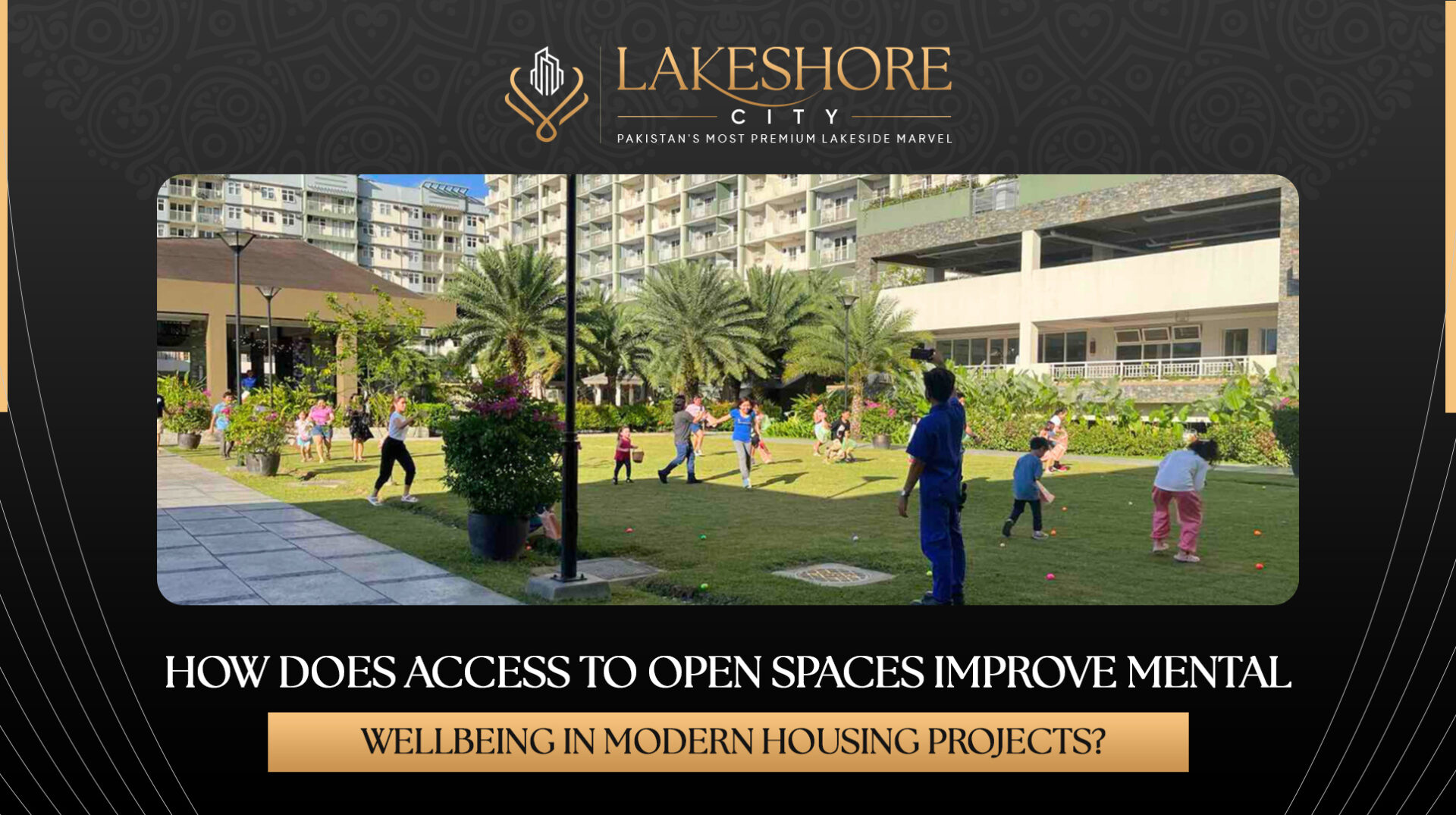
Access to open spaces improves mental wellbeing by reducing daily stress, improving mood, and supporting healthier routines. When people live near parks, green areas, or open walkways, they feel calmer, more focused, and emotionally balanced. In modern housing projects, open spaces are no longer optional features.
They have become essential elements for protecting mental health, supporting emotional balance, and creating living environments that remain comfortable and sustainable over the long term. In communities like Lakeshore City, open areas and natural surroundings are planned as part of everyday living, not treated as add-ons.
Why Mental Wellbeing Is Now a Housing Priority
Mental health is shaped by everyday surroundings. Noise, crowding, and lack of outdoor space quietly increase stress over time. Modern housing projects are responding to this reality by placing more focus on open areas that allow residents to pause, breathe, and reset during daily life.
Also Read: How Can Families Live Outside the City Without Feeling Isolated?
People do not need luxury amenities to feel mentally well. What they actually need in daily life includes:
- Space to walk without noise or crowd pressure
- Areas to sit quietly and pause during the day
- Visibility of greenery and open views instead of walls
- A break from constant screens, traffic, and stimulation
Housing designs that ignore these basics often lead to fatigue, anxiety, and burnout, even if the homes themselves are well built.
How Open Spaces Directly Support Mental Health
Open spaces influence mental health in practical, everyday ways. They help reduce mental pressure, encourage natural movement, and give the mind regular breaks from crowded environments. These effects are subtle but consistent, shaping how people feel throughout the day.
Open areas reduce mental overload
Living in compact, crowded environments keeps the mind in a constant alert state. Open spaces give the brain visual and physical relief. Seeing greenery, sky, and distance lowers mental pressure and helps the nervous system relax naturally.
Movement becomes part of daily routine
When open spaces are nearby, people walk more without planning it. Short walks, light exercise, or simply standing outdoors improve mood and reduce anxiety. This daily movement supports emotional balance without needing extra effort.
The Role of Green Areas in Emotional Balance
Green areas play a quiet but powerful role in mental wellbeing. Natural elements such as trees, grass, and open land slow down racing thoughts and improve concentration. Many studies and practical observations suggest that people living near greenery report better sleep, lower stress, and improved emotional stability.
In modern housing projects, green spaces act as shared breathing zones. They help residents feel less isolated and more connected to their surroundings, which is especially important for families, seniors, and remote workers.
Open Spaces and Family Mental Wellbeing
Open spaces play an important role in supporting the mental wellbeing of entire families, not just individuals. When outdoor areas are part of daily living, they help different age groups manage stress, emotions, and energy levels in simple, natural ways.
Children benefit from unstructured outdoor space
Children need space to move freely. Open areas allow play without pressure, improving emotional development and reducing screen dependence. Kids who spend time outdoors show better focus and emotional control.
Adults experience lower daily stress
Parents and working adults often carry mental load from work and responsibilities. Access to open spaces provides quick stress relief without travel or planning. Even short outdoor breaks can reset mental energy.
Urban Design Choices That Affect Mental Health
Housing projects that prioritize density over design often increase stress without realizing it. Narrow streets, limited parks, and poor airflow contribute to mental fatigue. In contrast, well-planned communities balance homes with open areas, walkable paths, and visual openness.
Good urban design supports mental health when communities are planned with balance rather than density. This includes:
- Open areas that prevent visual and physical congestion
- Walkable paths that feel safe and predictable
- Proper spacing between homes to allow airflow and light
- Layouts that reduce confusion and daily stress
When space is not constantly restricted, people feel more in control of their surroundings.
Why Open Spaces Matter for Long-Term Living
Mental wellbeing is not a short-term concern. It affects how people age, raise families, and remain productive. Housing societies with open spaces age better because residents stay longer, communities feel healthier, and daily life remains sustainable.
Over time, access to open areas helps residents by:
- Reducing long-term stress and emotional burnout
- Supporting natural social interaction within communities
- Improving daily routines without extra effort
- Making residential areas more sustainable for long stays
This is why open-space planning is closely linked to long-term residential success.
Conclusion
Access to open spaces supports mental wellbeing by making daily life calmer, healthier, and more balanced. In modern housing projects, open areas are not decorative. They are practical spaces that help people reset, move more, and feel less pressure at home. Communities that plan greenery, walking areas, and breathing room tend to support better long-term living outcomes. If you are comparing housing options, it helps to notice how open space is planned, not just how homes are built.
FAQs
How do open spaces in housing societies improve mental wellbeing?
Open spaces improve mental wellbeing by lowering stress and mental fatigue. Access to greenery, fresh air, and open views helps the brain relax naturally. Over time, this supports better mood, focus, and emotional balance in daily life.
Why are green areas important in modern residential developments?
Green areas are important because they support emotional stability and mental clarity. Natural surroundings reduce anxiety caused by noise and congestion. They also help residents maintain healthier routines and long-term living comfort.
Can access to open spaces reduce stress for families?
Yes, access to open spaces helps families manage daily stress more effectively. Children benefit from safe outdoor play, while adults use these areas to unwind. Shared outdoor spaces improve emotional balance within households.
How does urban design affect mental health in housing projects?
Urban design affects mental health by shaping daily movement and visual comfort. Poor design increases congestion and pressure, while open layouts reduce stress. Well-planned spaces create calmer, more predictable living environments.
What role do parks and open areas play in residential wellbeing?
Parks and open areas act as natural stress-relief zones. They encourage movement, social interaction, and quiet time outdoors. This helps residents reset mentally without leaving their community.
Are housing societies with open spaces better for long-term living?
Yes, housing societies with open spaces are better for long-term living. They support healthier routines, stronger community connections, and sustained mental wellbeing. Residents are more likely to stay longer and feel satisfied over time.