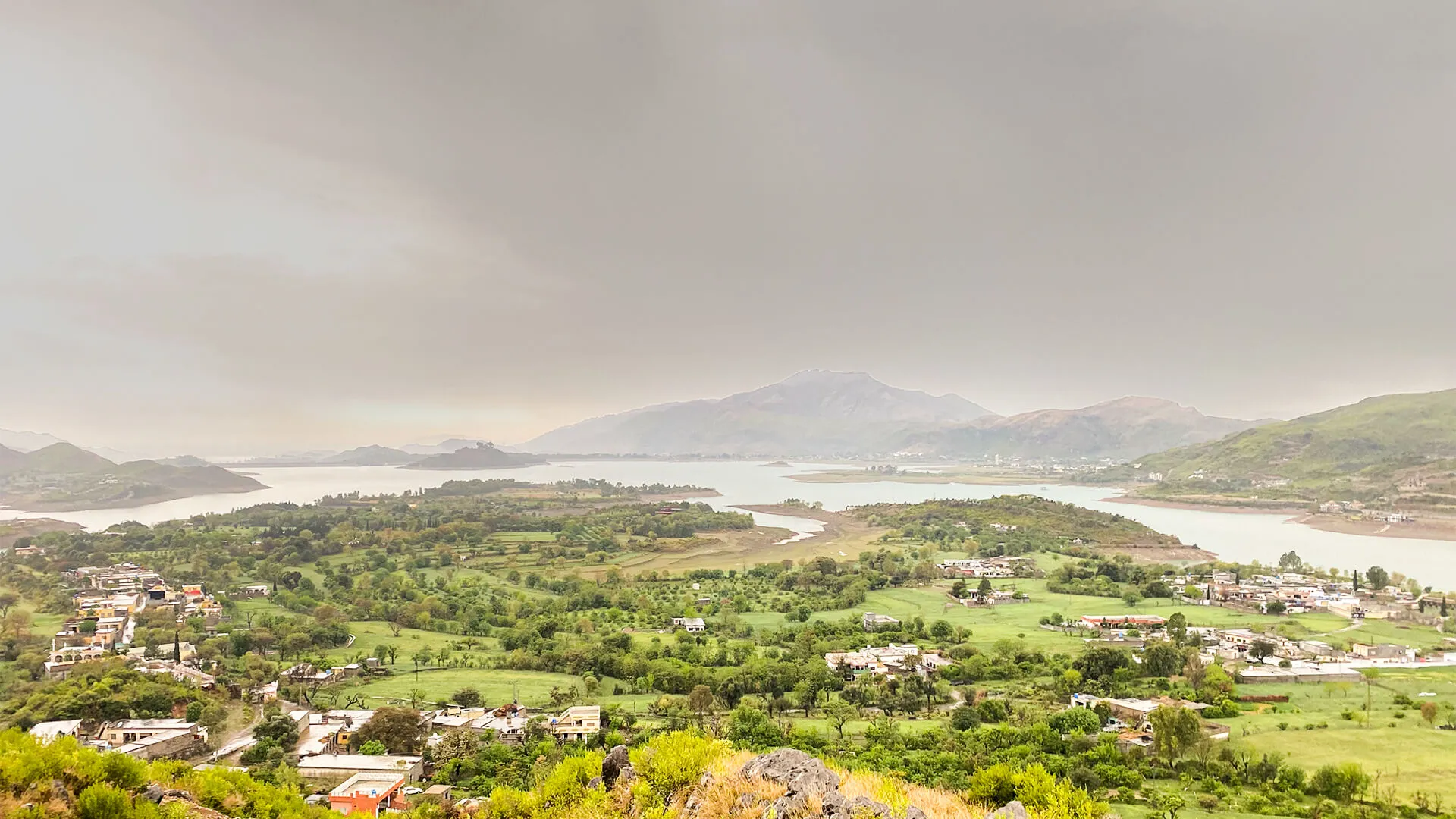
Cultural tourism is becoming a powerful force behind economic progress in Pakistan. As travelers explore heritage sites, museums, and historic routes, nearby businesses grow naturally. This shift is clearly visible around Taxila and the scenic belt near Khanpur Lake, where heritage, nature, and leisure tourism are blending together. Consequently, tourism-driven commercial growth is creating new opportunities for investors, entrepreneurs, and local communities.
In this blog, we explore how cultural tourism economic growth is shaping business demand, why heritage tourism has a strong economic impact, and how commercial development near tourist corridors is gaining long-term value.
Cultural Tourism Development in Pakistan
Pakistan’s cultural tourism is expanding steadily. Historic cities, Buddhist heritage routes, and archaeological landmarks are attracting local and international visitors. As a result, footfall is increasing across hotels, cafés, retail outlets, transport services, and guided tours. Moreover, when tourism is spread across seasons, businesses enjoy stable demand rather than short peaks.
Also Read: D12–Haripur Tunnel Strengthens Growth Outlook for Lakeshore City
Additionally, government and private initiatives are improving access roads and visitor facilities. Because of these upgrades, tourist confidence rises, and commercial activity follows. Therefore, regions close to heritage destinations are witnessing faster economic momentum.
Heritage Tourism’s Economic Impact on Local Business
Heritage tourism creates a ripple effect. First, visitors arrive for culture and history. Then, they spend on food, shopping, transport, and experiences. Over time, this cycle supports small businesses and encourages new commercial investments.
Furthermore, cultural tourism attracts families and groups who prefer organized spaces. Hence, planned commercial zones near tourist routes perform better. Shops, eateries, souvenir outlets, and service centers benefit from repeat visits. As demand grows, property values in commercial areas also rise.
Tourism-Driven Commercial Growth Near Scenic Destinations
Natural attractions amplify the impact of cultural tourism. When heritage sites sit close to mountains, water views, or adventure spots, visitors tend to stay longer. Consequently, spending increases. This pattern is visible in regions where lake tourism, heritage trails, and weekend travel overlap.
Because travelers seek convenience, they prefer nearby commercial hubs for dining and shopping. Therefore, commercial plots in such areas become strategic assets. Over time, rentals strengthen, and resale potential improves.
Flexible Entry Makes Commercial Investment Easier
Affordability plays a key role in accelerating commercial development. Investors are more confident when entry barriers are low. That is why easy installment plans matter. With 60-month installments, no down payment, and no confirmation charges, entry becomes accessible.
Moreover, booking a 5 marla plot for 25,000 PKR, with the amount adjusted into the first installment, reduces early financial pressure. As a result, both small entrepreneurs and long-term investors can participate in tourism and business growth in Pakistan.
Mixed-Use Options Support Sustainable Growth
Balanced communities perform best when residential and commercial options coexist. Apartments like Lakeshore Residencia bring daily footfall. Commercial areas serve visitors and residents alike. Meanwhile, Lakeshore Farms adds weekend activity and lifestyle appeal.
Because these elements work together, businesses enjoy steady demand. Additionally, mixed-use planning supports sustainable growth by spreading activity across the year.
Lakeshore City Commercial Development and Future Outlook
This development benefits from its proximity to heritage corridors and scenic attractions. As cultural tourism continues to expand, demand for organized commercial spaces is expected to grow. Therefore, early commercial investors may benefit from rising rentals and capital appreciation.
Furthermore, improved connectivity and visitor services will likely strengthen the area’s profile. As a result, the commercial landscape is set to mature with time.
Conclusion
Cultural tourism development in Pakistan is reshaping local economies. When heritage and nature combine, tourism-driven commercial growth accelerates. With flexible payment plans, low entry costs, and strong visitor demand, commercial investment near tourist destinations offers lasting value. For investors seeking steady returns tied to culture and travel, this opportunity stands out.
FAQs
What is cultural tourism economic growth?
It refers to the economic activity generated by visitors exploring heritage, history, and culture. Spending on food, retail, transport, and experiences supports local businesses and creates jobs.
How does heritage tourism impact commercial property?
Heritage tourism increases footfall throughout the year. As demand rises, commercial rents strengthen, and property values appreciate over time.
Why do businesses prefer locations near tourist routes?
Tourist routes bring consistent visitors. Consequently, shops and services enjoy repeat demand, which improves cash flow and long-term stability.
Are payment plans suitable for new investors?
Yes. With no down payment, no confirmation charges, and 60-month installments, entry is simple. The 25,000 PKR booking also counts toward the first installment.
What types of commercial activity perform best near tourism hubs?
Cafés, restaurants, retail outlets, services, and experience-based businesses perform well. They benefit from visitor traffic and local residents alike.
Is tourism-driven commercial growth sustainable?
Yes. When tourism is diversified across culture, nature, and leisure, demand stays balanced. This supports steady growth rather than short-term spikes.