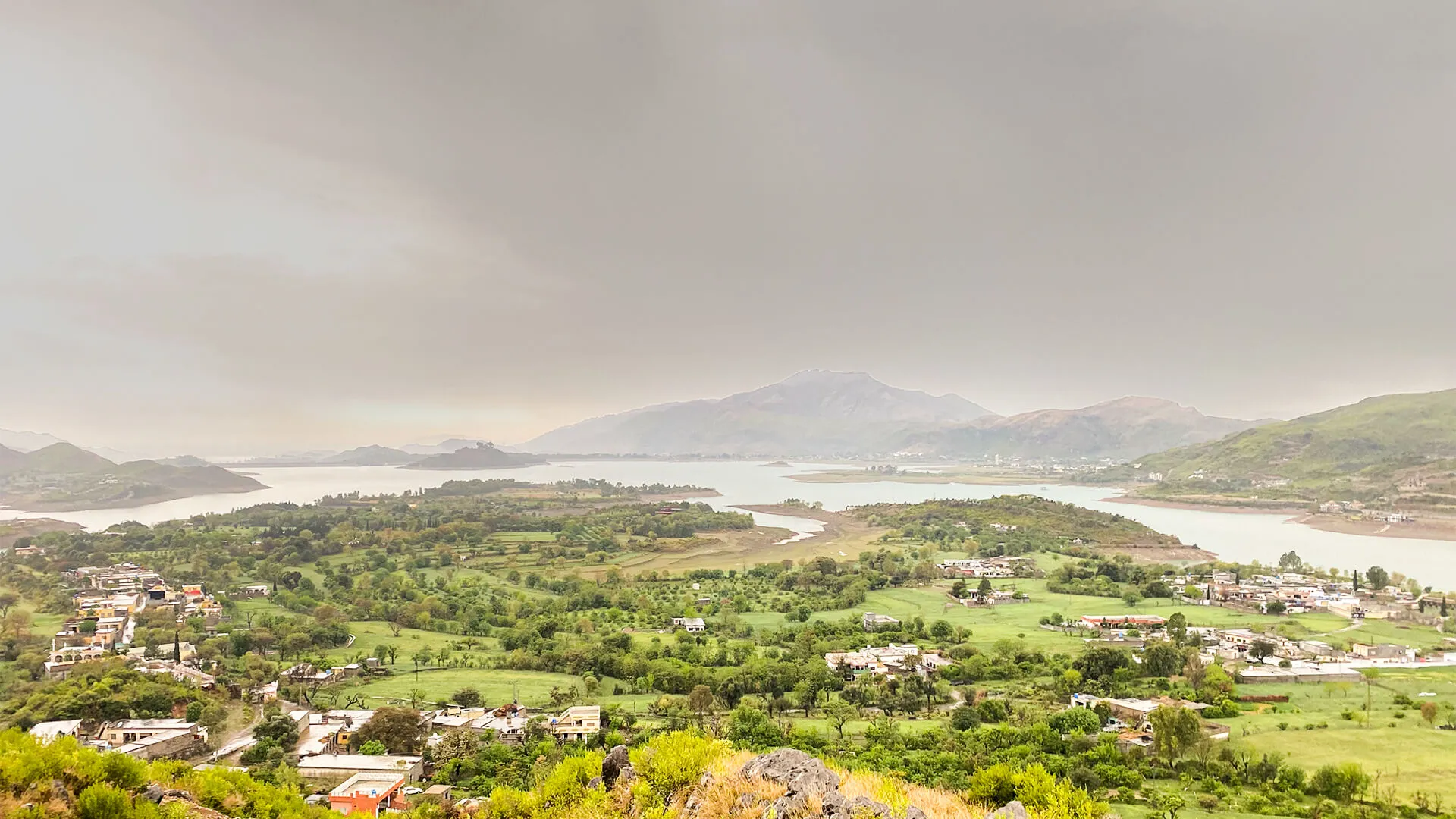

Taxila is not only a symbol of Pakistan’s ancient Buddhist heritage but also a region where history continues to shape present-day economic activity. As one of South Asia’s earliest centers of learning, its monasteries, stupas, and archaeological remains attract continuous academic, cultural, and international interest. This ongoing engagement has created a steady flow of visitors rather than seasonal tourism spikes.
As a result, cultural tourism in Pakistan is increasingly influencing land use and property demand around historically significant zones. Areas surrounding Taxila are now being viewed through a long-term investment lens, particularly because heritage-linked tourism supports sustained relevance. Unlike speculative urban expansion, real estate near historical sites benefits from preservation, global recognition, and consistent footfall. This places Taxila among locations where cultural value and investment opportunity develop side by side rather than in isolation.
The Significance of Taxila’s Buddhist Heritage
Taxila played a central role in Buddhist education and philosophy for centuries. Ancient monasteries, stupas, and learning centers reflect its importance as a hub of knowledge in South Asia. Today, sites associated with Buddhism continue to draw visitors interested in history, archaeology, and culture.
Because this heritage is protected and internationally recognized, tourism linked to it tends to remain stable rather than seasonal. This consistency strengthens Taxila tourism investment, as areas around the heritage zone benefit from a continuous flow of visitors, researchers, and educational groups.
Also Read: How Nature-Focused Housing Societies Improve Family Life and Financial Security
Cultural Tourism and Real Estate Demand
Cultural tourism behaves differently from leisure tourism. Visitors often stay longer, explore nearby towns, and seek services beyond sightseeing. As a result, demand grows for housing, guest accommodation, retail spaces, and long-term residential options.
This is why historical real estate in Pakistan is increasingly viewed through a long-term lens. Properties located near heritage corridors often gain relevance as tourism infrastructure improves. Over time, this supports gradual demand rather than sudden price fluctuations.
How Cultural Tourism Creates Long-Term Property Demand?
Cultural tourism creates long-term property demand by generating consistent visitor activity rather than seasonal traffic. Visitors drawn to heritage sites tend to stay longer, return with groups, and rely on local services such as accommodation, retail, and housing. This steady flow supports continuous demand instead of short-term spikes.
In Taxila’s case, heritage-based tourism remains relevant throughout the year. As roads, visitor facilities, and supporting services improve, nearby land becomes more usable for residential and mixed-use development. This consistency makes property around historical sites more resilient to market cycles and urban saturation.
Investment Near UNESCO-Recognized Areas
Taxila is associated with sites recognized for their global cultural value. Investment near UNESCO sites often benefits from protection policies, controlled development, and sustained global interest. These factors reduce uncertainty compared to speculative urban expansion.
Investment near UNESCO sites is usually driven by long-term planning rather than short-term resale. Buyers who understand heritage-driven demand often focus on stability, relevance, and future usability of land rather than immediate gains.
Plots Near Taxila and Long-Term Value
Plots near Taxila are increasingly evaluated for their proximity to cultural landmarks rather than just city access. Areas connected to heritage routes often remain relevant even as urban centers shift outward, because cultural significance supports steady long-term interest.
This pattern is visible in locations such as Lakeshore City, which lies within reach of Taxila’s heritage corridor while also offering a planned residential environment. Heritage property in Pakistan tends to attract buyers who value continuity. Families planning long-term settlement and overseas Pakistanis seeking secure assets often view such locations as part of generational planning rather than temporary ownership.
Opportunities for Families and Overseas Investors
Families often look for locations that combine cultural value with long-term stability. Living near historically significant regions offers a sense of identity while remaining connected to developing infrastructure. In this context, Lakeshore City represents a planned residential option within reach of Taxila’s heritage corridor, making it relevant for families seeking both cultural connection and long-term residential stability.
Overseas Pakistanis are also drawn to heritage-linked areas because such locations tend to retain relevance over time. Investing in plots near Taxila allows them to hold assets connected to Pakistan’s cultural legacy while benefiting from steady demand driven by tourism, education, and historical interest.
Conclusion
Taxila’s Buddhist heritage continues to shape more than cultural identity; it also influences how land and property around historical corridors are valued over time. As cultural tourism remains consistent and globally relevant, areas near preserved heritage sites tend to attract steady interest rather than short-term speculation.
Real estate near Taxila benefits from this stability because heritage-driven tourism supports long-term demand, improved infrastructure, and controlled development. In this context, planned residential environments such as Lakeshore City, located within reach of Taxila’s heritage corridor, reflect how cultural relevance and structured development can align.
FAQs
What is the significance of Taxila’s Buddhist heritage?
Taxila was one of the most important centers of Buddhist learning in ancient South Asia. Its monasteries, stupas, and educational institutions continue to attract scholars and cultural tourists. This sustained academic and tourism interest keeps the region historically relevant. It also supports long-term cultural and economic activity.
Can real estate near heritage sites appreciate?
Yes, real estate near heritage sites often shows stable long-term appreciation. Demand is supported by tourism, preservation policies, and limited development zones. While growth is usually gradual, relevance tends to remain strong. This makes such areas less dependent on short-term market trends.
Are plots near Taxila legal and safe?
Many plots near Taxila are part of planned housing developments. However, buyers should always verify approvals, NOC status, and ownership documents independently. Proper due diligence reduces legal risk. It also ensures long-term investment security.
How does tourism affect property demand?
Tourism increases demand for housing, services, and supporting infrastructure. Cultural tourism, in particular, attracts consistent visitors throughout the year. This creates steady interest rather than seasonal spikes. Over time, this supports stable property demand.
Are there investment opportunities near UNESCO sites?
Yes, areas near UNESCO-recognized sites often benefit from international attention and controlled development. Preservation-focused planning reduces uncertainty. These factors support long-term relevance and steady demand. Investors usually approach such locations with a long-term perspective.
Can families and overseas Pakistanis invest here?
Yes, both families and overseas Pakistanis often invest near heritage zones for long-term security. These areas combine cultural importance with consistent tourism-driven demand. Overseas investors, in particular, value stability over rapid turnover. This makes heritage-linked regions suitable for long-term holding.