Northern Pakistan is home to some of South Asia’s most important Buddhist heritage sites. In recent years, these locations have started attracting not only historians and tourists, but also real estate investors. The reason is simple. Cultural tourism is growing, access is improving, and land near heritage zones is becoming limited.
As a result, tourist-driven real estate linked to history and culture is gaining attention, especially around Islamabad and Taxila. Investors are now looking beyond city centers and focusing on areas where heritage, tourism, and long-term demand intersect.
The Importance of Buddhist Heritage in Pakistan
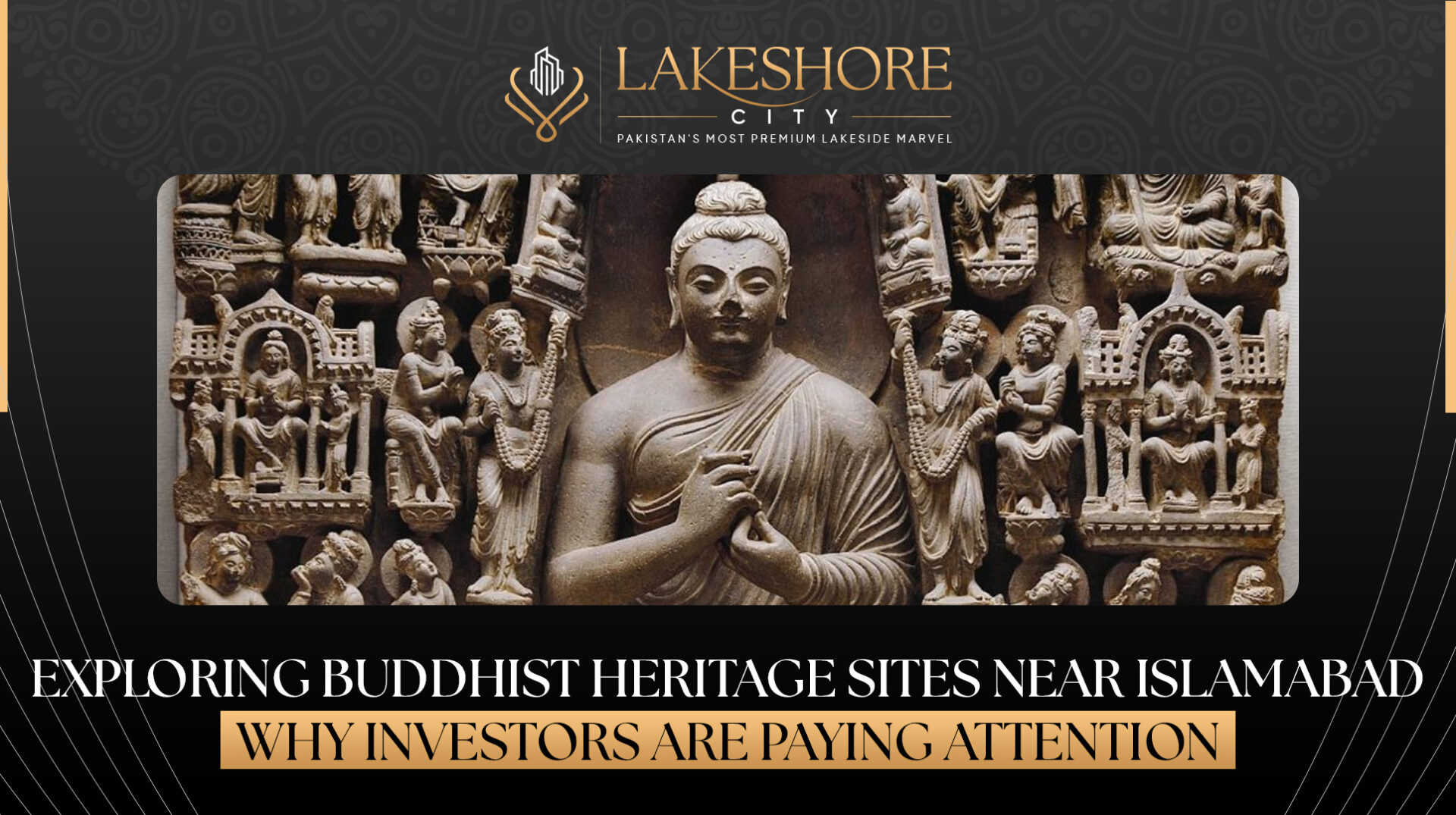
Pakistan holds a central place in Buddhist history. Many ancient learning centers, monasteries, and stupas once flourished here. Today, these sites are drawing visitors from Asia, Europe, and beyond.
This renewed interest is strengthening cultural tourism in Pakistan and creating economic activity around heritage corridors. Hotels, guides, transport services, and local markets are all benefiting, which directly influences nearby land value.
Also Read: How Tourism Around Khanpur Dam Is Creating Plot Investment Opportunities
Key Buddhist Heritage Sites Near Islamabad
Several important Buddhist sites are located within a short travel distance from Islamabad. These locations are now part of organized tourism routes.
Notable sites include:
- Taxila, a UNESCO World Heritage Site
- Dharmarajika Stupa, one of the oldest Buddhist stupas in the region
- Jaulian and Mohra Moradu monasteries, known for their monastic ruins
- Jaulian monastery complex, a major ancient learning center
Because of their historical value, these areas attract year-round visitors rather than seasonal tourism.
How Heritage Tourism Influences Real Estate Demand
Heritage tourism works differently from leisure tourism. Visitors usually stay longer, explore nearby areas, and return with groups or families. This creates steady demand instead of short spikes.
From an investment point of view:
- Visitor activity remains consistent
- Infrastructure development receives regular attention
- Nearby land remains relevant over time
This is why heritage site investment in Pakistan is now viewed as a stable, long-term option rather than a speculative one.
Taxila Plots and Long-Term Land Value
Plots near Taxila are increasingly discussed among investors who value stability. The area combines history, accessibility, and growing tourism interest.
Key reasons investors look at Taxila plots include:
- Proximity to protected heritage zones
- Limited availability of surrounding land
- Consistent academic and cultural visitor flow
These factors support gradual appreciation instead of unpredictable price movement.
Historical Property Near Islamabad: A Growing Interest
Investors are increasingly drawn to historical property near Islamabad because it offers two advantages at once. First, it supports lifestyle or rental use linked to tourism. Second, it holds long-term value as cities grow outward.
Areas connected to heritage zones are often:
- Retain demand even during market slowdowns
- Attract overseas visitors and researchers
- Benefit from government-led preservation efforts
These factors reduce long-term risk for investors.
Lakeshore City and the Heritage-Tourism Corridor
While Taxila represents historical value, nearby planned developments are gaining attention for practical living and investment use. Lakeshore City is often discussed in this context due to its location near major tourism routes connecting Islamabad, Taxila, and Khanpur Dam.
Such locations benefit because they:
- Stay connected to heritage tourism without being crowded
- Offer residential and lifestyle use alongside investment value
- Remain relevant as tourism infrastructure expands
This balance makes Lakeshore City plots part of a broader tourist-driven real estate conversation rather than a short-term trend.
Practical Investment Insight for Buyers
For investors considering heritage-linked areas, a few practical points matter:
- Verify legal approvals and documentation
- Focus on planned developments near, not inside, heritage sites
- Adopt a long-term view instead of short resale cycles
Real estate near cultural landmarks performs best when aligned with patience and planning.
Conclusion
Buddhist heritage sites near Islamabad are doing more than preserving history. They are shaping tourism patterns, improving infrastructure, and influencing long-term land demand. As cultural tourism in Pakistan continues to grow, areas near Taxila and connected development corridors are gaining relevance among investors.
For those exploring tourist-driven real estate, understanding how heritage, accessibility, and planning work together can provide clearer direction. Taking time to study how these heritage-linked zones are evolving may help support more informed, long-term investment decisions.
FAQs
Which Buddhist sites are near Islamabad?
Major Buddhist sites near Islamabad include Taxila, Dharmarajika Stupa, and several ancient monasteries. These locations are part of organized heritage tourism routes and attract visitors throughout the year.
Can real estate near heritage sites appreciate?
Yes. Real estate near heritage sites often appreciates steadily because demand remains consistent. Cultural tourism supports long-term relevance rather than short-term market swings.
Are plots legally approved for investment?
Plots in planned developments near heritage areas are usually approved, but buyers should always verify documentation with relevant authorities before investing.
Does tourism affect long-term demand?
Tourism linked to heritage sites creates ongoing visitor activity. This supports stable demand for nearby residential and commercial property over time.
Are overseas investors active in heritage zones?
Yes. Overseas investors often prefer heritage-linked locations because they attract international visitors and hold cultural value alongside investment potential.
Which properties combine lifestyle and investment benefits?
Properties in planned societies near heritage and tourism corridors offer both living comfort and long-term investment value, especially when connected to Islamabad’s wider region.