
Pakistan’s northern belt is gaining renewed attention as heritage, tourism, and real estate begin to intersect in meaningful ways. Areas around Taxila and Khanpur Dam are no longer viewed only as historical or recreational destinations. Instead, they are increasingly being discussed in the context of long-term investment, driven by cultural relevance, steady tourism, and improving connectivity.
This shift is shaping a new category of heritage investment in Pakistan, where land value grows alongside tourism interest rather than short-term speculation.
Heritage Tourism as a Long-Term Economic Driver
Taxila is one of Pakistan’s most important historical regions. Its Buddhist sites, museums, and archaeological remains attract local visitors, students, and international researchers throughout the year. Unlike seasonal tourism, heritage travel tends to remain consistent because it is linked to education, culture, and global history.
Because of this, plots near Taxila are gaining attention from investors who prefer stable demand. Cultural tourism investment works differently from leisure tourism. Visitors stay longer, return with groups, and often explore surrounding areas instead of limiting themselves to a single site. This steady movement supports long-term relevance for nearby land.
Also Read: Affordable Plot Investment for Young Professionals Near Khanpur Dam
How Tourism Around Khanpur Dam Supports Real Estate Demand
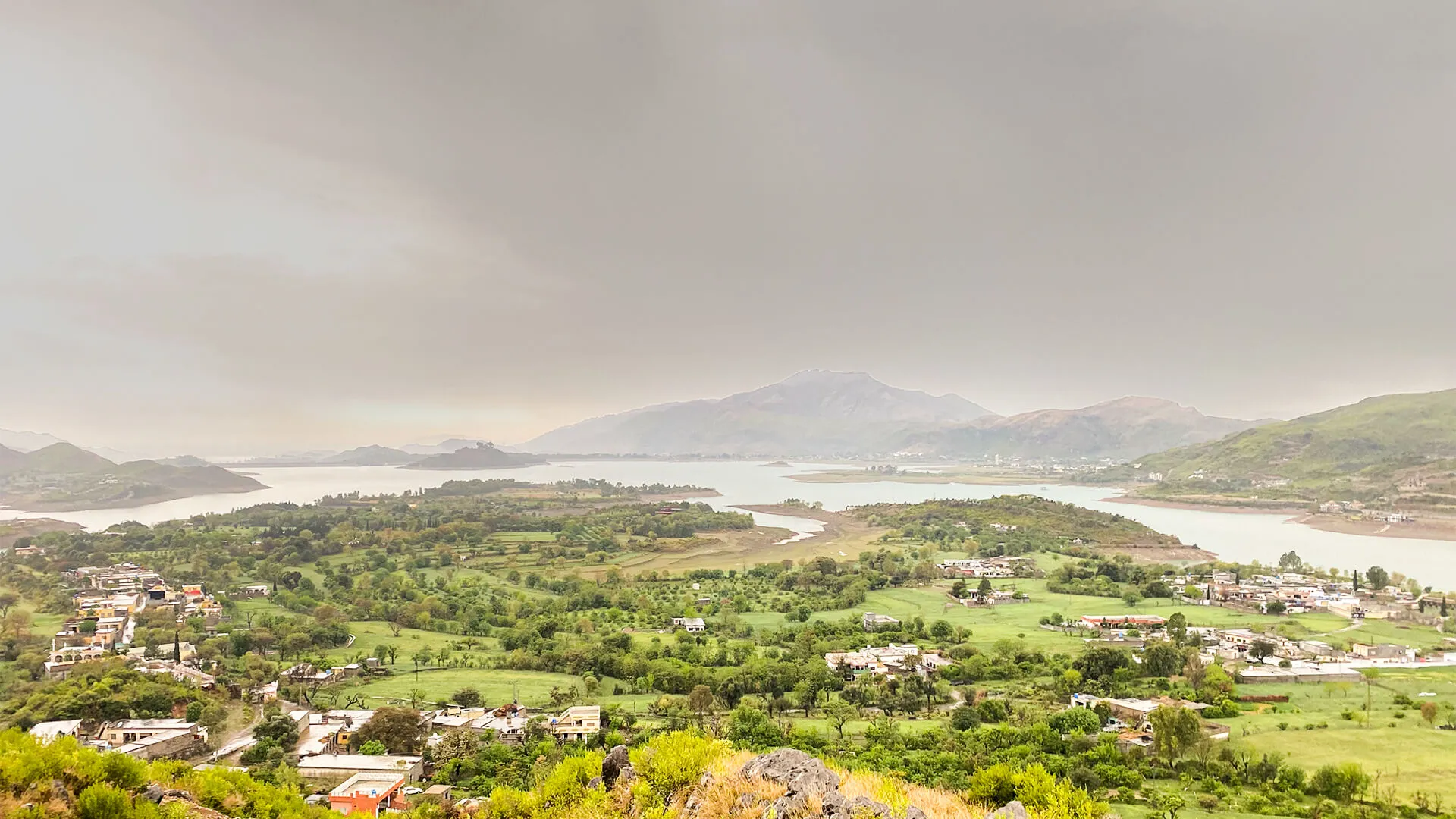
Khanpur Dam adds another layer to this investment landscape. Known for its water views, hills, and eco-tourism appeal, the area attracts families, weekend travelers, and nature-focused visitors. Over time, this has influenced how land around the dam is valued.
Tourism-driven real estate in Pakistan often performs better when visitor activity is spread across the year. At Khanpur Dam, tourism is not limited to one season. This consistency helps support land demand without sudden price spikes. As a result, Khanpur Dam plots are increasingly viewed as long-term assets rather than short-term opportunities.
Plots Near Taxila and Khanpur: Why Location Matters
Location plays a key role in real estate stability. Plots near Taxila benefit from strong historical significance linked to heritage tourism, while regions around Khanpur Dam gain value from natural beauty and recreation. When these two factors exist within connected corridors, investment potential becomes stronger.
Plots near Taxila and Khanpur sit within a zone that combines:
- Cultural relevance through Buddhist sites in Pakistan
- Eco-tourism and scenic value from the dam and hills
- Road access linking Islamabad, Haripur, and the surrounding regions
This combination reduces reliance on a single demand source and supports gradual property appreciation.
Family and Overseas Investor Interest in Heritage Zones
Families often look for places that feel meaningful, safe, and stable. Heritage zones naturally attract this interest because they are protected, planned, and less likely to face uncontrolled development. For families, investing near historical sites offers both cultural connection and long-term security.
Overseas investors are also active in cultural tourism investment. Many prefer land near heritage and eco-tourism locations because these areas remain relevant over time. Land ownership in such zones is easier to hold remotely and aligns well with long-term planning rather than frequent trading.
The Role of Planned Developments in Heritage Regions
Not every area near a tourist site benefits equally. Real value emerges when planning supports both living and holding. In the Taxila–Khanpur region, projects discussed in the context of Lakeshore City investment are often evaluated based on layout, spacing, and long-term usability rather than short-term promotion.
Planned developments near heritage and tourism zones help translate visitor interest into stable real estate demand. This approach supports gradual growth, family use, and investor confidence without disturbing the cultural or natural environment.
Practical Investment Outlook
Investors looking at heritage investment in Pakistan often focus on patience rather than speed. Real-life use cases include holding plots for future construction, planning retirement homes near cultural landmarks, or passing land to the next generation. These strategies benefit from locations where history and tourism continue to attract attention year after year.
In this way, Taxila and Khanpur Dam form a growing corridor where culture and land value support each other.
Conclusion
The regions around Taxila and Khanpur Dam show how heritage, tourism, and real estate can work together to create long-term investment potential. Cultural tourism supports steady visitor movement, eco-tourism adds lifestyle value, and location-driven demand helps protect land relevance over time.
For those exploring how history and tourism influence real estate decisions, taking a closer look at how these elements intersect in heritage-linked regions can offer useful insight for long-term planning.
FAQs
How does heritage tourism impact plot investment?
Heritage tourism brings consistent visitor interest rather than seasonal traffic. This steady movement supports long-term land demand and helps plots retain relevance over time.
Are plots near Taxila profitable?
Plots near Taxila benefit from cultural significance and year-round tourism. Over time, this supports gradual value growth rather than sudden price changes.
Does eco-tourism affect land prices?
Yes. Eco-tourism increases interest in scenic and low-density areas. This often leads to steady appreciation, especially near natural landmarks like Khanpur Dam.
Can families invest safely near historical sites?
Families often prefer heritage zones because development is usually more controlled. This supports safer environments and long-term residential planning.
Are overseas investors active in Pakistan’s heritage zones?
Many overseas investors prefer heritage-linked areas due to stable demand and cultural relevance. These zones are suitable for long-term holding and future use.
Which areas near Khanpur Dam offer the highest ROI?
Areas with road access, planning discipline, and proximity to both water and hills tend to perform better. Locations connected to broader tourism corridors usually show stronger long-term potential.