Pakistan’s landscape is not shaped solely by geography. It carries layers of history, belief systems, and cross-civilization exchanges that continue to influence modern life. Among these, Chinese cultural influence holds a quiet yet lasting presence, rooted in ancient Buddhist learning routes, the Silk Road movement, and scholarly exchange. As global interest in heritage travel increases, these historical connections are being rediscovered and revalued.
This renewed focus has transformed cultural tourism in Pakistan from simple sightseeing into an experience-driven movement. Tourists, researchers, and cultural enthusiasts now seek destinations that offer historical depth alongside accessibility. As a result, real estate linked to heritage zones is gaining attention not as a short-term opportunity, but as a long-term investment tied to preservation, education, and tourism continuity.
Also read: How Eco-Tourism Near Khanpur Dam Is Boosting Real Estate Demand
Today, investors are no longer limiting their interest to urban centers alone. Instead, they are assessing investment near cultural sites where historical relevance, tourism flow, and development discipline intersect. This shift is reshaping how historical real estate in Pakistan is viewed, positioning heritage-linked regions as stable, future-oriented investment landscapes rather than seasonal attractions.
Chinese Heritage and Cultural Roots in Pakistan
Chinese heritage in Pakistan is closely tied to the region’s ancient intellectual and religious history rather than modern political relations. Centuries ago, Chinese Buddhist monks and scholars traveled through this region to study, translate, and preserve religious texts.
Centers such as Taxila played a key role in this exchange. These areas functioned as major learning hubs where South Asian and Chinese cultures interacted through education, philosophy, and faith. Records from these journeys continue to document this shared past.
Today, this historical connection strengthens Pakistan’s cultural identity and shapes its heritage tourism landscape. As awareness grows, these roots attract scholars, historians, and culturally motivated visitors throughout the year, reinforcing long-term interest in heritage-linked regions.
How Cultural Tourism Is Shaping Real Estate Demand
Cultural tourism Pakistan-wide has shifted from seasonal visits to year-round engagement. Tourists exploring heritage sites often require nearby accommodation, services, and long-stay options. This naturally increases demand for nearby residential and commercial plots.
Key factors driving tourist-driven real estate in Pakistan include:
- Consistent visitor movement rather than short-term spikes
- Government and private preservation initiatives
- Improved road access to heritage corridors
- Demand for calm living environments near tourist zones
Because of this, property near cultural landmarks tends to retain relevance over time.
Investment Near Cultural Sites and Long-Term Value
Investment near cultural sites often performs differently from purely urban real estate. Demand here is driven by history, education, and tourism rather than short-term market cycles. As a result, plots near Islamabad that also fall within heritage-linked regions are increasingly viewed as stable long-term assets.
Such areas benefit from:
- Controlled development pressure
- Tourism-supported economic activity
- Long-term preservation focus
- Emotional and historical value tied to the land
This makes historical real estate in Pakistan suitable for investors planning beyond quick resale.
How Does Lakeshore City Fit Within Heritage-Driven Investment Zones?
Although not a heritage site itself, Lakeshore City is positioned within a region shaped by historical tourism, cultural movement, and natural landmarks. Its relative proximity to areas connected with Taxila and ancient cultural routes places it along a wider heritage-influenced corridor rather than in isolation.
Also Read: Exploring Taxila’s Buddhist Heritage: Investment Opportunities Near Historical Sites
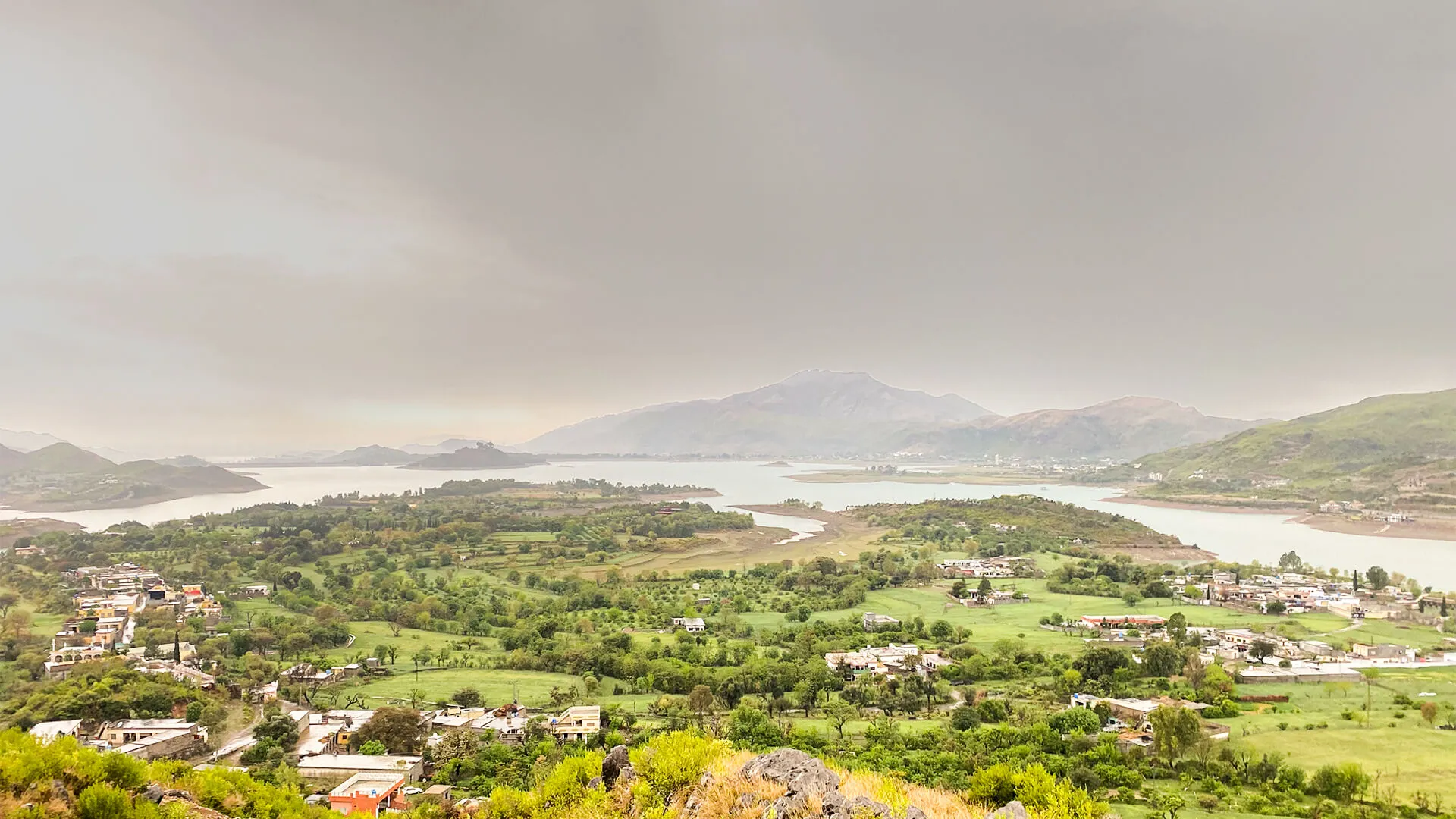
At the same time, the project’s location near Khanpur Dam and surrounding hills adds environmental value that complements cultural tourism patterns. This balance allows Lakeshore City to benefit indirectly from heritage-driven activity while maintaining distance from the congestion often associated with core heritage sites. As a result, it offers planned residential and investment options in a setting that supports long-term relevance without reliance on seasonal tourism pressure.
Why Heritage-Linked Areas Attract Overseas Investors?
Overseas Pakistanis often prefer investments tied to long-term relevance rather than short-term speculation. Cultural tourism zones offer this stability because heritage does not lose value over time. Instead, it gains recognition as awareness, preservation, and global interest continue to grow.
Plots near Islamabad that fall along cultural and tourism corridors are easier to justify for long-term holding, especially when they are part of planned developments. In this context, Lakeshore City fits well by being located near heritage-influenced regions while offering organized planning and environmental balance. This combination makes such locations attractive to overseas investors seeking predictable value preservation without the risks associated with unplanned or congested heritage zones.
Conclusion
Chinese cultural influence in Pakistan adds an important layer to the country’s heritage tourism landscape. As cultural tourism grows, it continues to shape how investment near cultural sites is evaluated. Rather than focusing only on urban expansion, investors are now considering historical relevance, tourism flow, and long-term demand.
Locations connected to heritage routes, especially near Islamabad, are increasingly seen as stable investment zones. Within this broader pattern, planned developments like Lakeshore City align with the shift toward tourism-aware, long-term real estate thinking.
FAQs
How is Chinese culture represented in Pakistan?
Chinese culture is reflected mainly through ancient Buddhist heritage, historical travel routes, and scholarly exchanges. Cities like Taxila document these links through archaeological remains and historical records. This shared history contributes to Pakistan’s cultural tourism identity.
Can tourism near cultural sites increase plot demand?
Yes, tourism near cultural sites often increases demand for nearby plots. Visitors create ongoing economic activity, which supports residential and commercial use. Over time, this demand helps maintain property relevance.
Are there legal plots near heritage sites?
Yes, legal plots exist near heritage zones, but buyers should verify approvals carefully. Planned developments located near, but not within, protected sites usually offer safer investment options.
Is investment safer near cultural tourism zones?
Investment near cultural tourism zones is often considered more stable because demand is consistent. Heritage sites attract long-term interest rather than seasonal spikes. This supports gradual and predictable value growth.
Do overseas Pakistanis benefit from heritage investments?
Overseas Pakistanis often benefit from heritage-linked investments because these areas retain relevance over time. Cultural and historical importance reduces the risk of rapid value decline.
Which areas are best for cultural tourism investments?
Areas near Taxila, heritage corridors around Islamabad, and regions connected to historical trade and religious routes are considered strong options. Locations that combine heritage access with planned development tend to perform better long-term.